











Geographic Location
Beijing sits in the far north of China, at the northern edge of the vast North China Plain. To its north, west, and northwest, the Yanshan and Xishan mountain ranges have historically formed a natural line of defense for the capital, with sections of the Great Wall of China running along their ridges near the city. Beijing lies roughly 150 kilometers from the coast of the Bohai Sea. The administrative area of Beijing Municipality covers more than 16,000 square kilometers.
Capital of the People's Republic of China
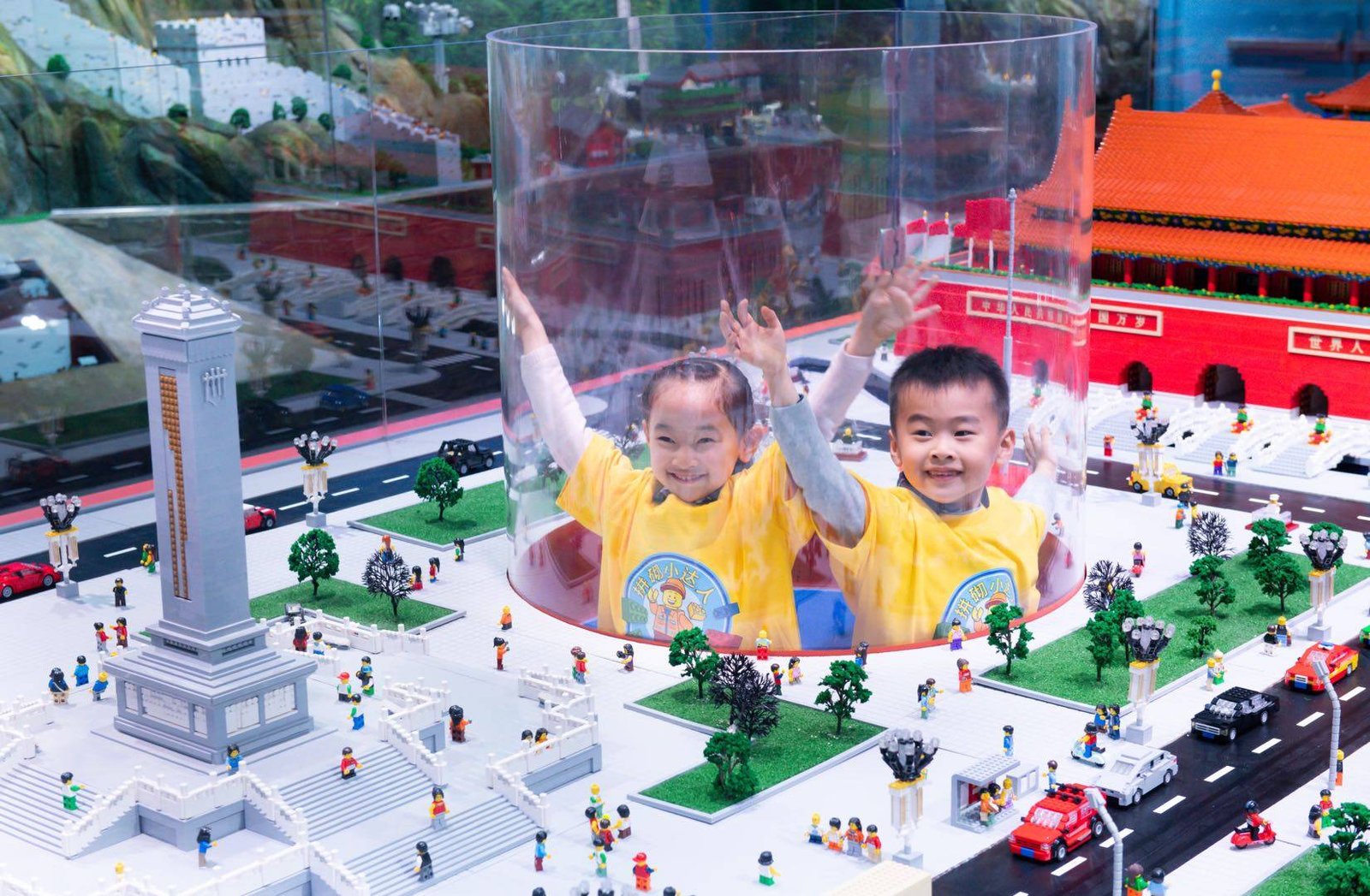
Beijing has been the political, cultural, and educational capital of the People's Republic of China since the founding of the Republic there in 1949. It is one of four Chinese municipalities under the direct administration of the central government, alongside Shanghai, Tianjin, and Chongqing. The city hosts the country's most important political institutions, most notably Tiananmen Square and the Chinese parliamentary complex.
Beijing Municipality is home to approximately 21.8 million people, according to the latest official estimates.
Climate
Beijing has a humid continental climate with four distinct seasons. Winter (December–February) is cold and dry, with temperatures sometimes dropping below zero. Summer (June–August) is hot and humid, concentrating around 80% of the year's rainfall. Autumn (September–October) is considered the best time to visit the city.
The Forbidden City and the Legacy of the Emperors
At the historic heart of Beijing stands the Forbidden City, the imperial palace built by the Ming dynasty's Yongle Emperor between 1406 and 1420. It remained the seat of China's emperors throughout the Ming and Qing dynasties until the fall of imperial rule in 1911. The palace complex comprises more than 900 buildings and nearly eight thousand rooms, and is listed as a UNESCO World Heritage Site. Other imperial landmarks are no less significant, including the Temple of Heaven and the Summer Palace.
Modern Beijing: From the Olympics to a Tech Hub
Beijing has undergone an immense transformation, culminating in hosting the 2008 Summer Olympic Games, followed by the 2022 Winter Olympics, making it the first city in the world to host both editions. Beijing has become one of Asia's largest economic and technology hubs, home to the Zhongguancun district, often called "China's Silicon Valley."
The Hui Muslims and Niujie Mosque
Beijing is home to a long-established Muslim community from China's Hui ethnic group, historically centered in the Niujie (Ox Street) neighborhood of Xicheng District, where the Niujie Mosque stands. It is the city's oldest and largest mosque, founded in 996 CE during the Liao dynasty. The mosque combines traditional Chinese architecture on the exterior with Islamic ornamentation and Arabic calligraphy inside.
Why Visit Beijing?
- Walk through the halls of an imperial palace more than six centuries old, at the heart of a bustling modern capital.
- Experience a striking contrast between traditional hutong alleyways and skyscrapers and Olympic landmarks.
- Discover a centuries-old Islamic quarter and historic mosque amid a city shaped largely by Buddhist and Confucian traditions.
- Get close to the Great Wall of China, just one to two hours from the city center.
- Savor authentic Beijing cuisine, headlined by its famous roast duck dish, Peking duck.