







Geographic Location
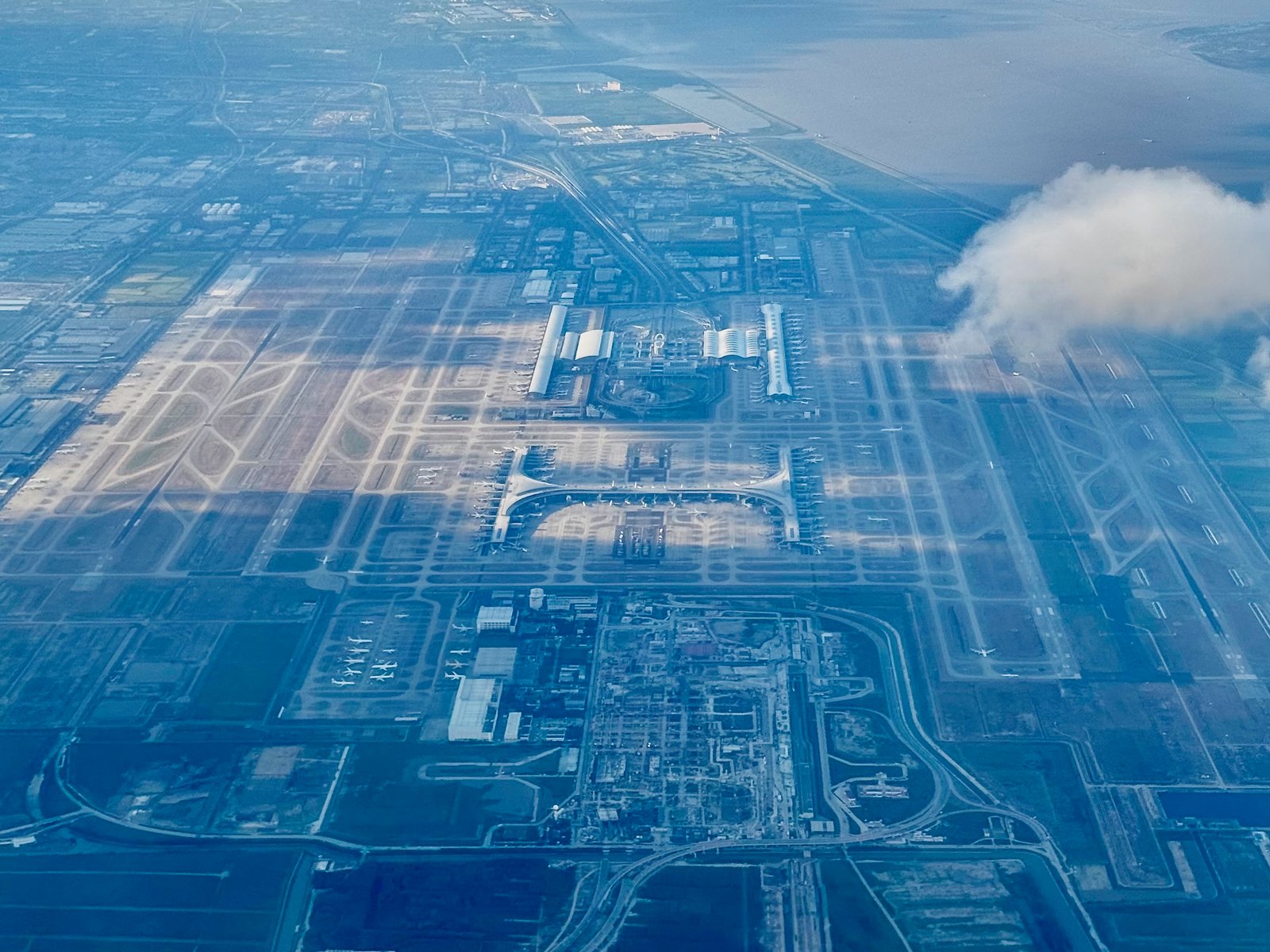
Shanghai sits at the mouth of the Yangtze River, where Asia's greatest river meets the Pacific Ocean, on China's eastern coast within the Yangtze River Delta. This strategic position has made it, since the nineteenth century, the country's leading trade port and its natural gateway to the world. Located roughly 1,200 kilometers south of Beijing, Shanghai is today China's most populous city and one of the most dynamic urban centers on earth.
Economic Role: China's Financial Capital
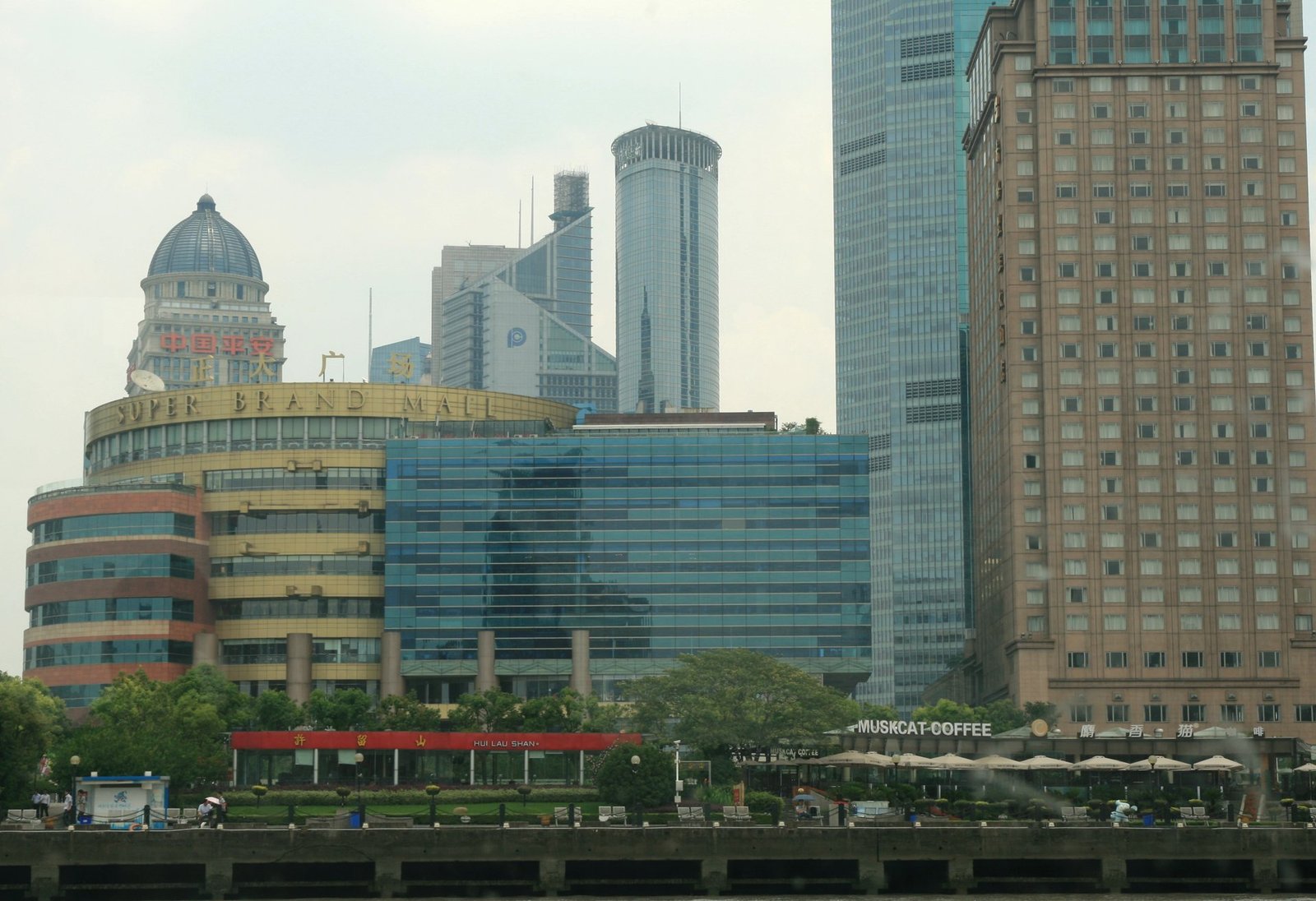
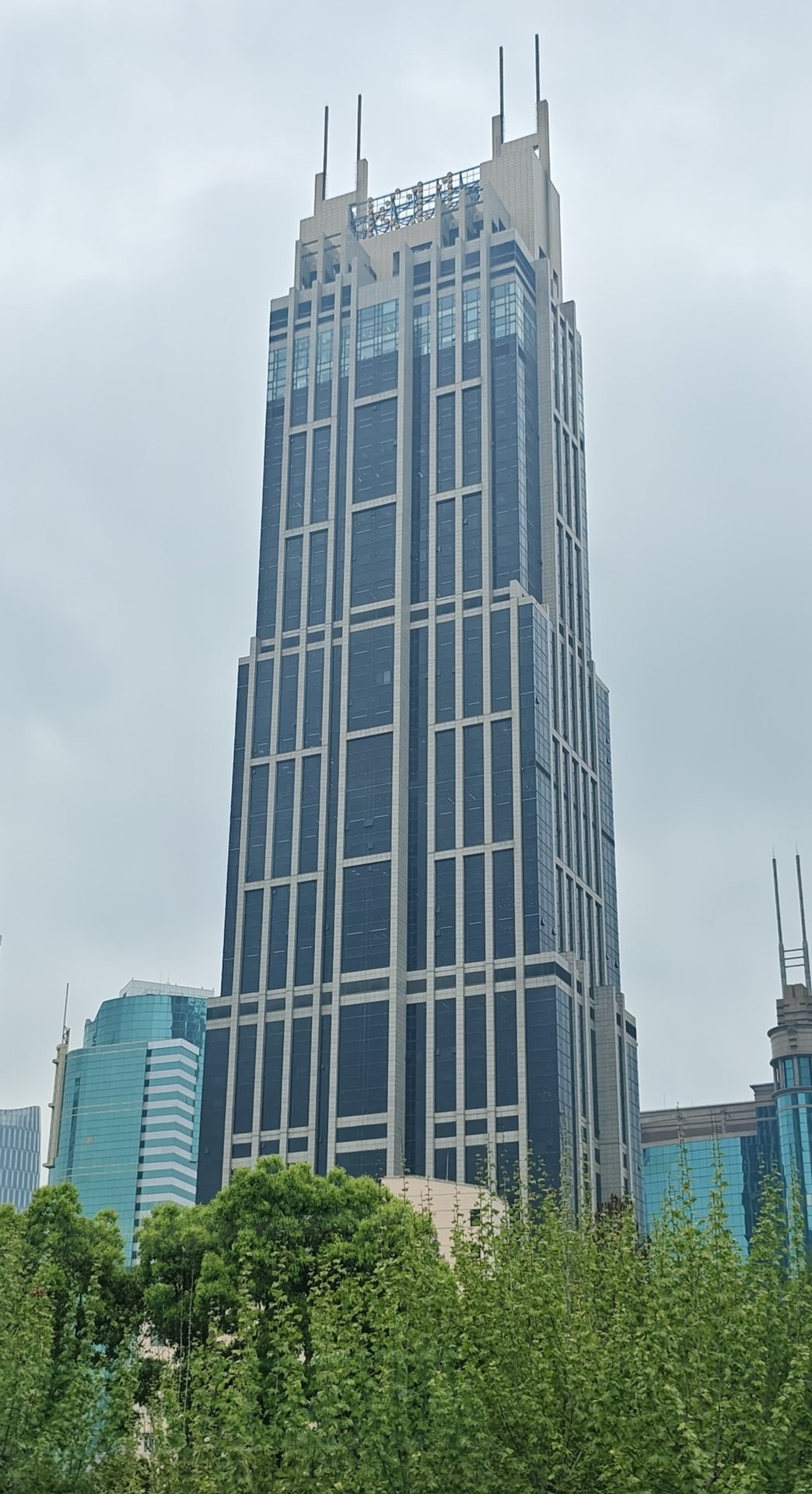
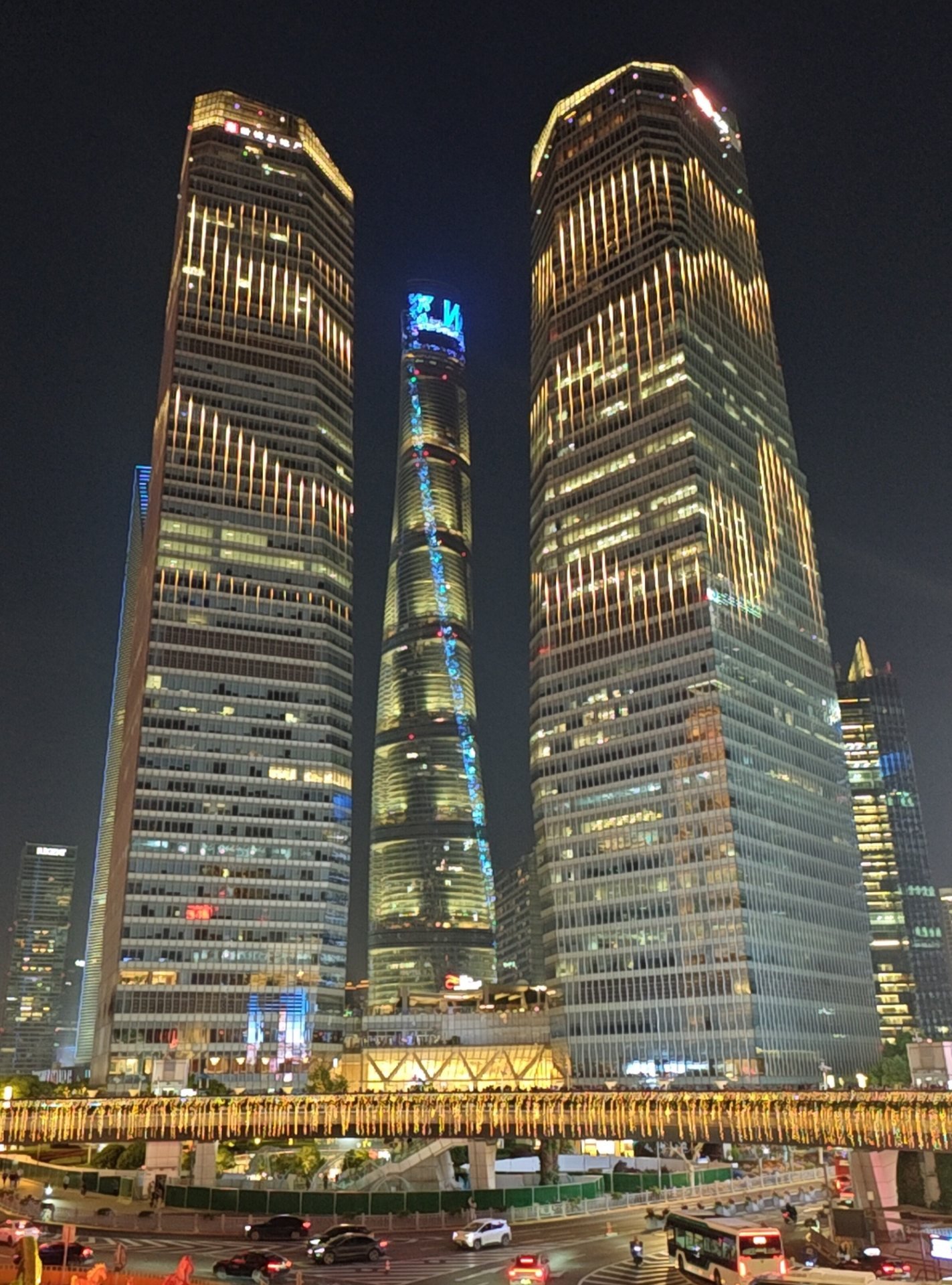
No other Chinese city rivals Shanghai's standing as the nation's premier financial and commercial hub. The Pudong district, farmland just four decades ago, is now home to the Shanghai Stock Exchange and the headquarters of hundreds of global banks and corporations, alongside the 632-meter Shanghai Tower, the tallest building in China and the second-tallest in the world. The Port of Shanghai is the world's busiest container port, cementing the city's role as a pivotal hub on the trade routes linking Asia to the world, including a fast-growing exchange with the Arab Gulf states.
Population and Climate
Shanghai's population exceeds 24 million within its administrative boundaries, while broader estimates of its metropolitan area put the figure above 30 million, making it one of the largest urban agglomerations on the planet. The city has a humid subtropical climate with four distinct seasons: hot, humid summers from June to August, and cool, damp winters. Spring (March-May) and autumn (September-November) are the best times to visit, offering milder temperatures and lower humidity.
The Historic Muslim Community and Its Mosques
Muslims have had a presence in Shanghai for centuries. The city's oldest mosque, Songjiang Mosque, dates back to between 1341 and 1367 during the Yuan dynasty, making it not only the oldest mosque in Shanghai but one of the oldest Islamic landmarks in China, blending classical Chinese palace architecture with Arab-Islamic ornamentation. In the heart of the old city stand Xiaotaoyuan Mosque, built in 1925 in a West Asian Islamic style and long the center of Shanghai Muslims' religious, educational, and cultural life, and Fuyou Road Mosque, dating to the late nineteenth century and known as the "North Mosque," once the political, religious, and cultural hub for the city's Muslim community. Huxi Mosque, built in 1922, was the first mosque rebuilt after the founding of the People's Republic of China. For much of the past century, these mosques served as a departure point for Muslims from China's inland provinces setting out on Hajj via the port of Shanghai.
Shanghai and the Arab World: Growing Trade Ties
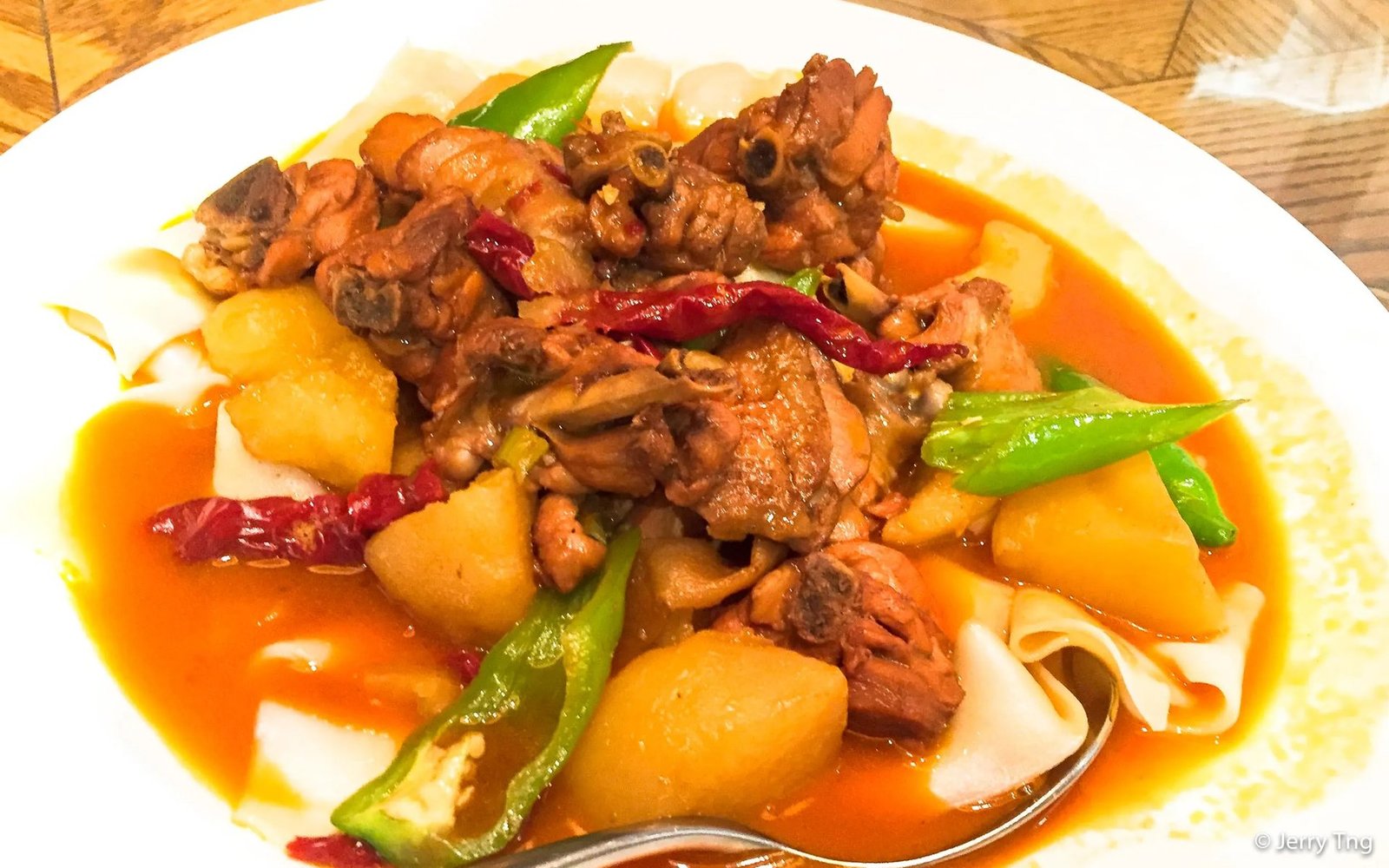
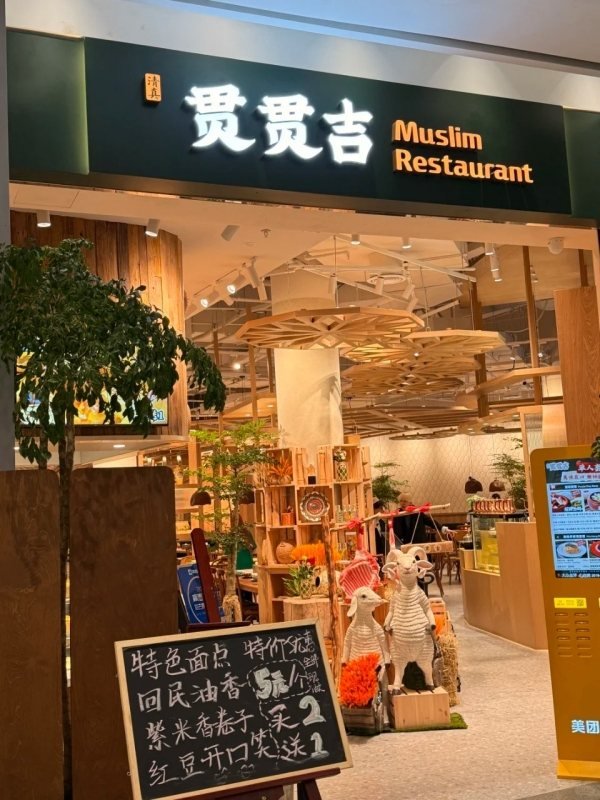
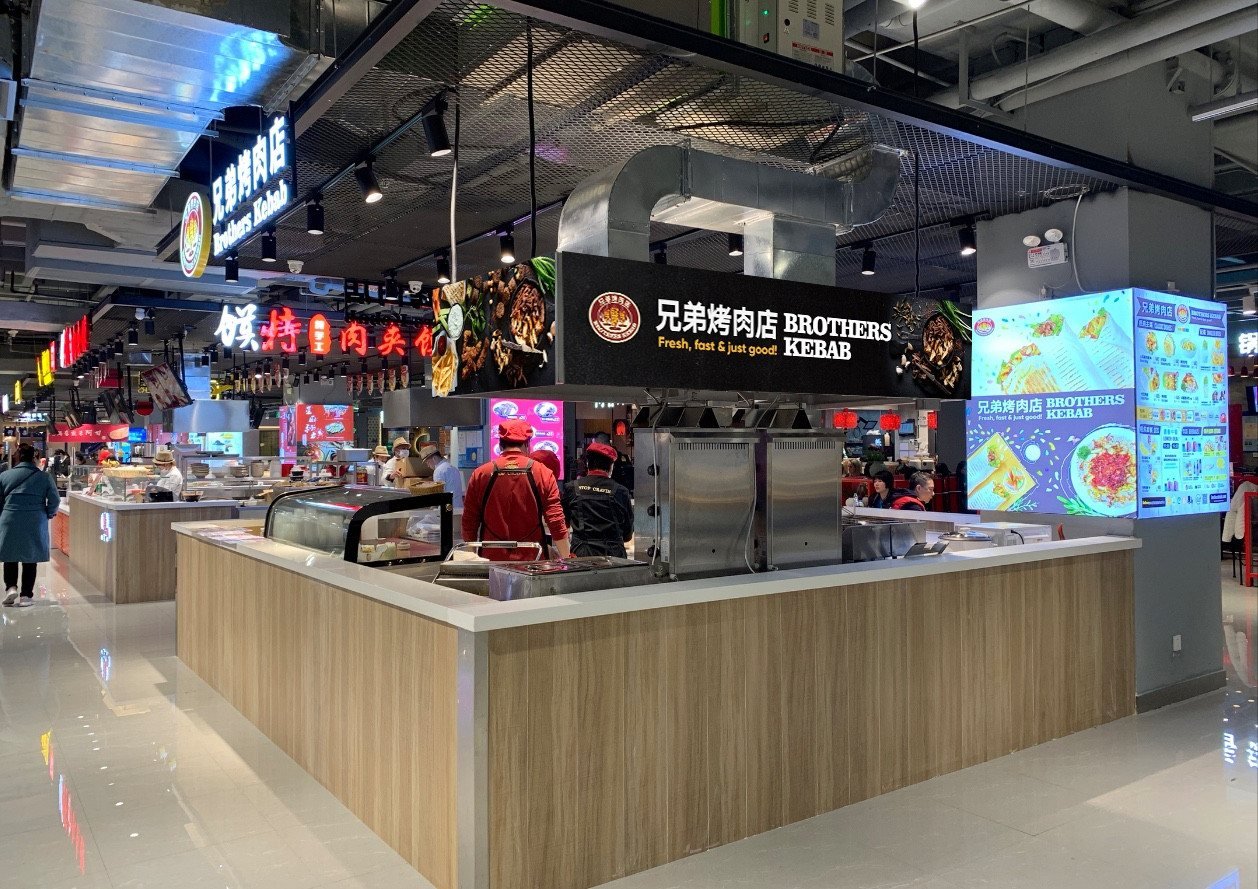
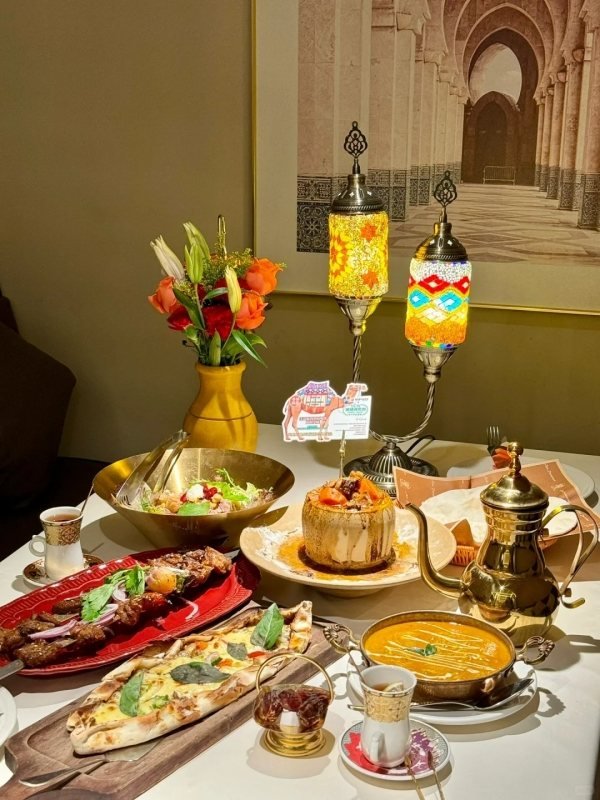
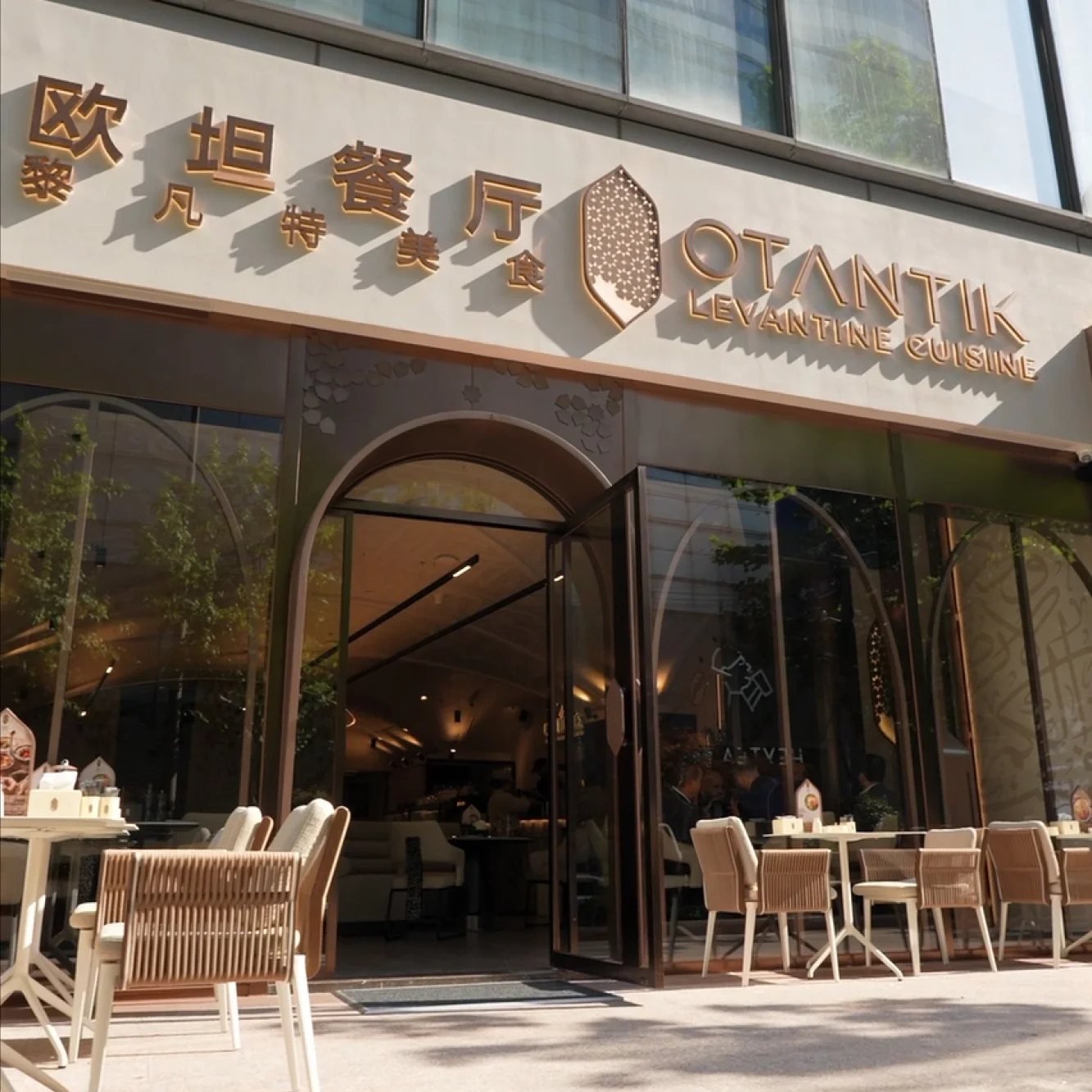
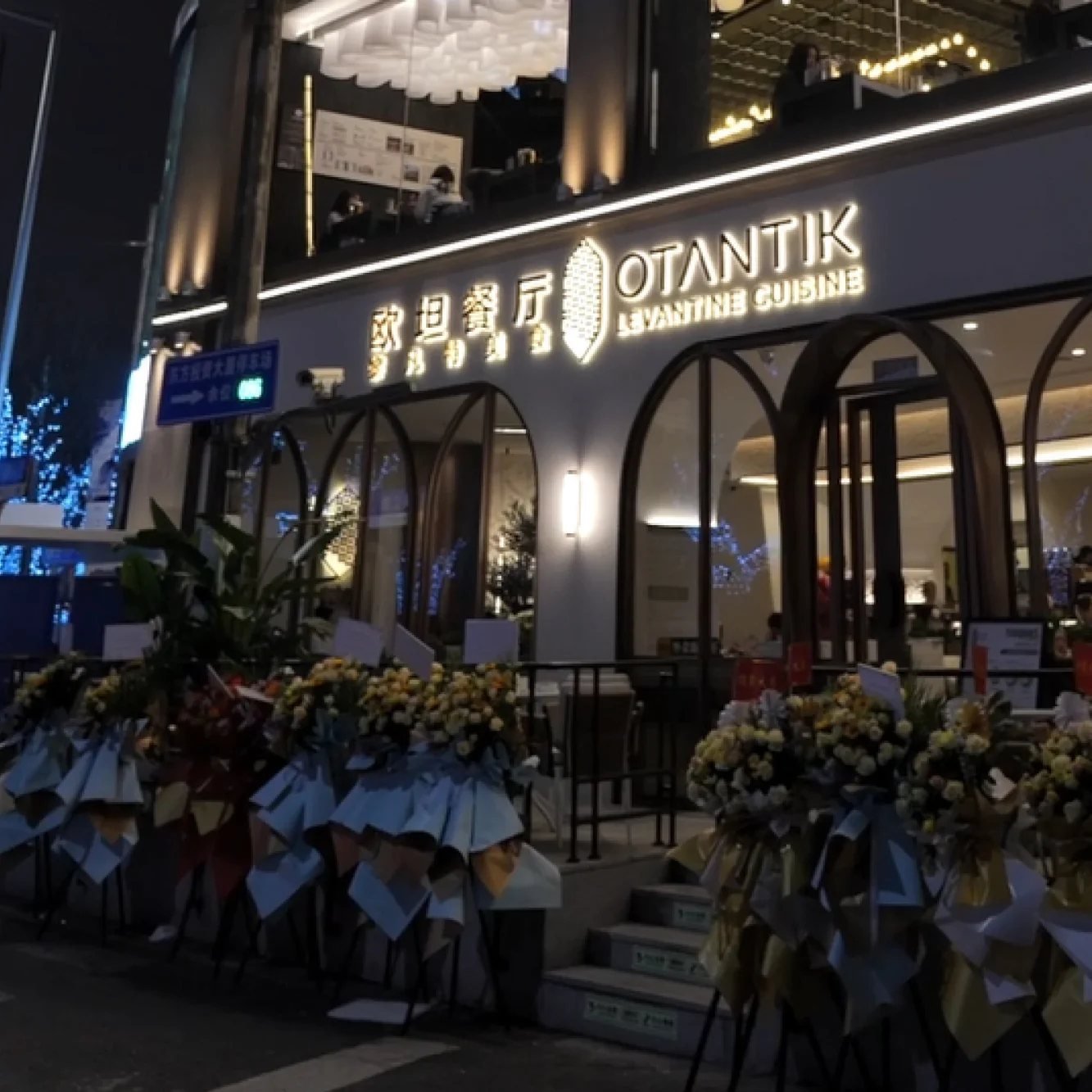
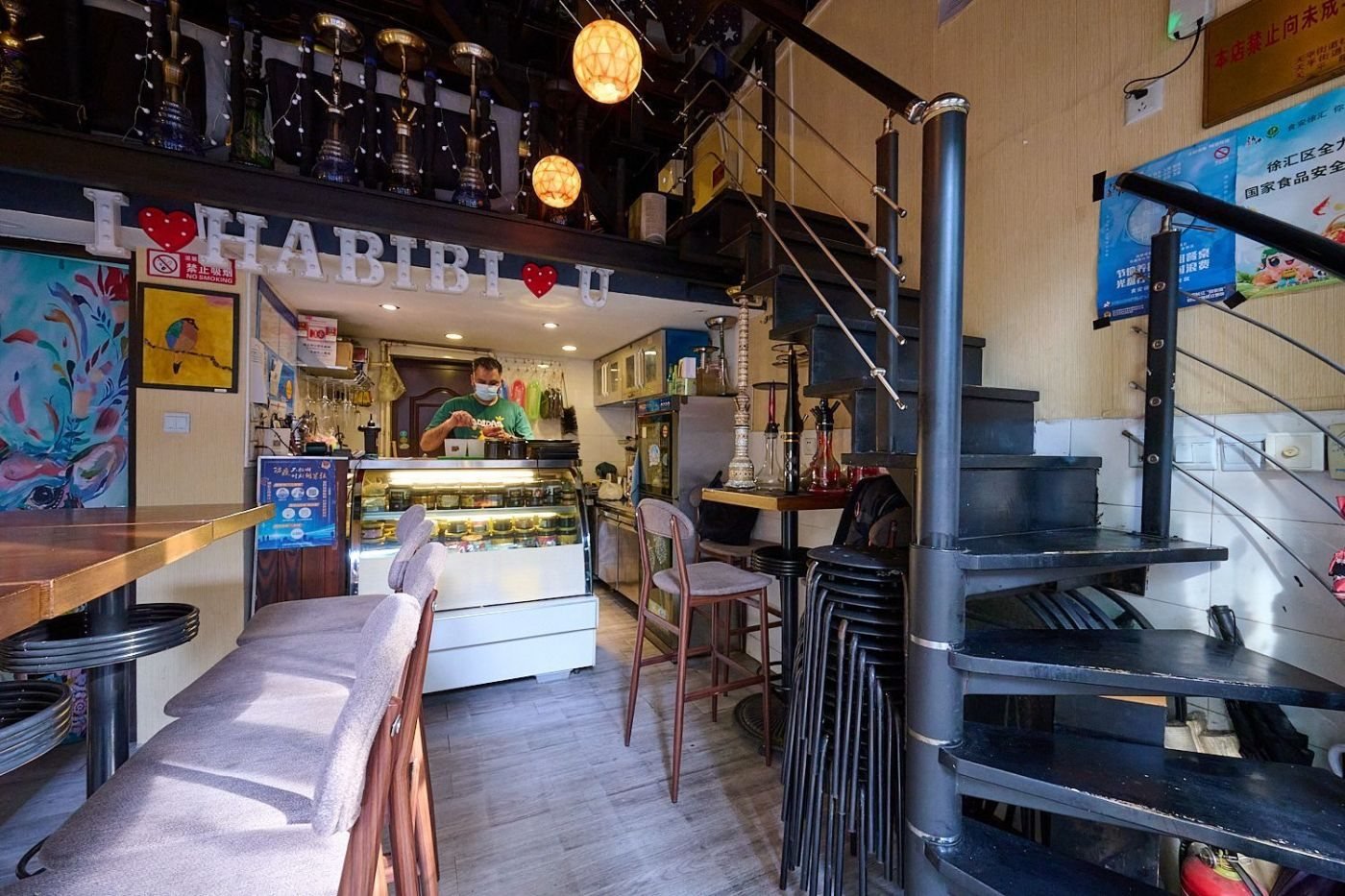
In recent years Shanghai has seen a marked expansion in ties with the Gulf Arab states. Gulf investment bodies, including Saudi Arabia's Public Investment Fund, have opened offices in the city to deepen economic partnerships, while Abu Dhabi has signed trade and investment cooperation agreements with Shanghai's economic authorities. This growing closeness reflects the substantial trade volume between China and the GCC states. Alongside this economic growth, a thriving Arab and Middle Eastern restaurant scene has emerged, particularly in the Hongqiao and Gubei districts, which host Lebanese, Gulf, and Turkish restaurants along with halal butchers, making them a comfortable destination for Arab and Muslim visitors seeking familiar surroundings.
Why Visit Shanghai?
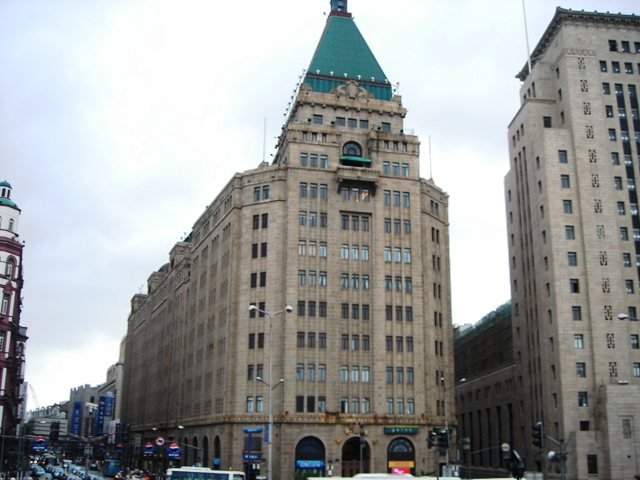
- The Bund: A historic riverside promenade along the Huangpu River, lined with European colonial-era buildings facing the dazzling modern Pudong skyline.
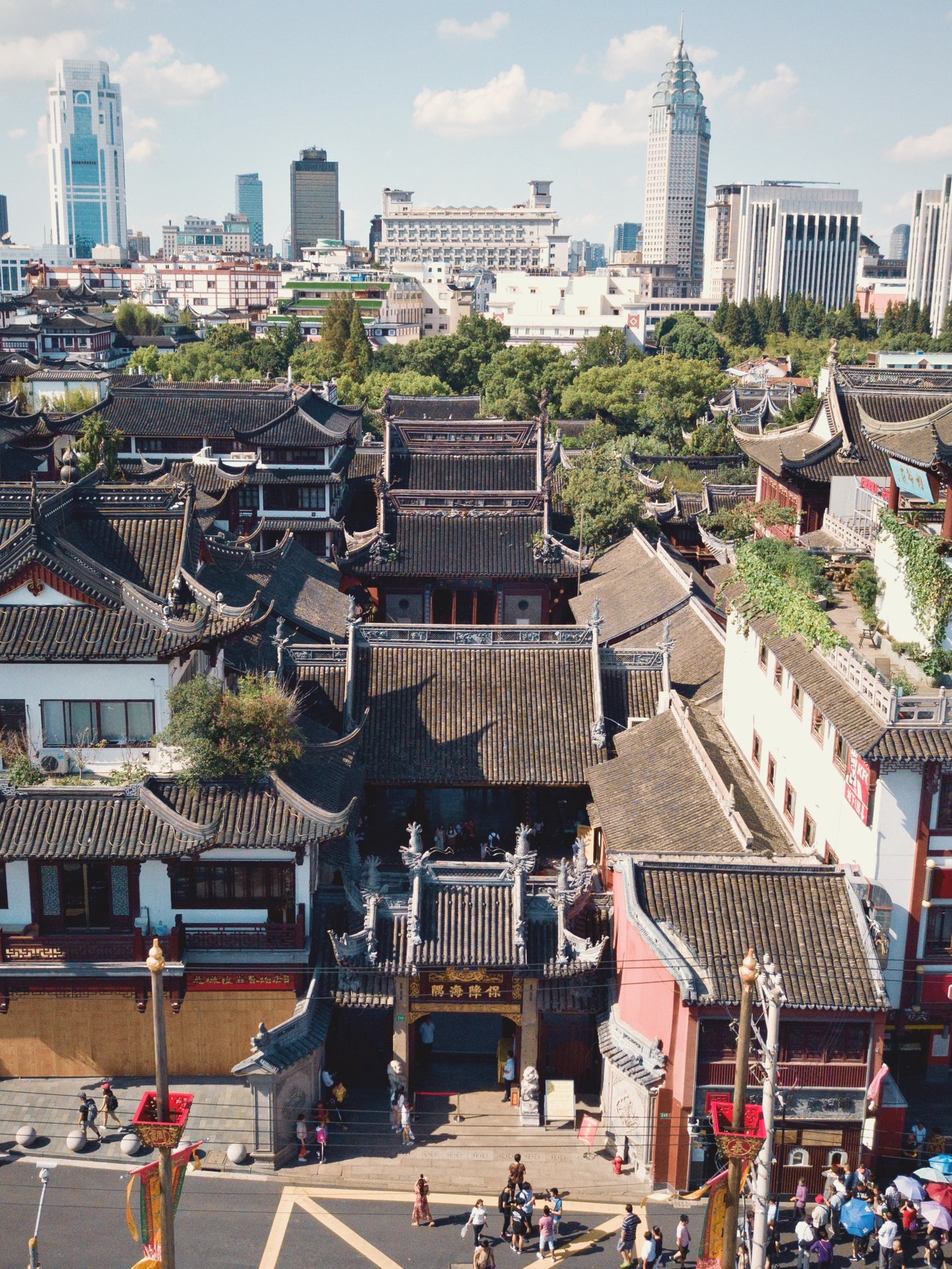
- Yu Garden: A classical Ming-dynasty garden over 400 years old, with its pavilions, ponds, and winding paths set amid a bustling traditional bazaar.
- Shanghai Tower: China's tallest skyscraper, with an observation deck offering panoramic views across the entire city.
- Nanjing Road: One of the world's most famous shopping streets, stretching for kilometers with shops, restaurants, and neon lights.
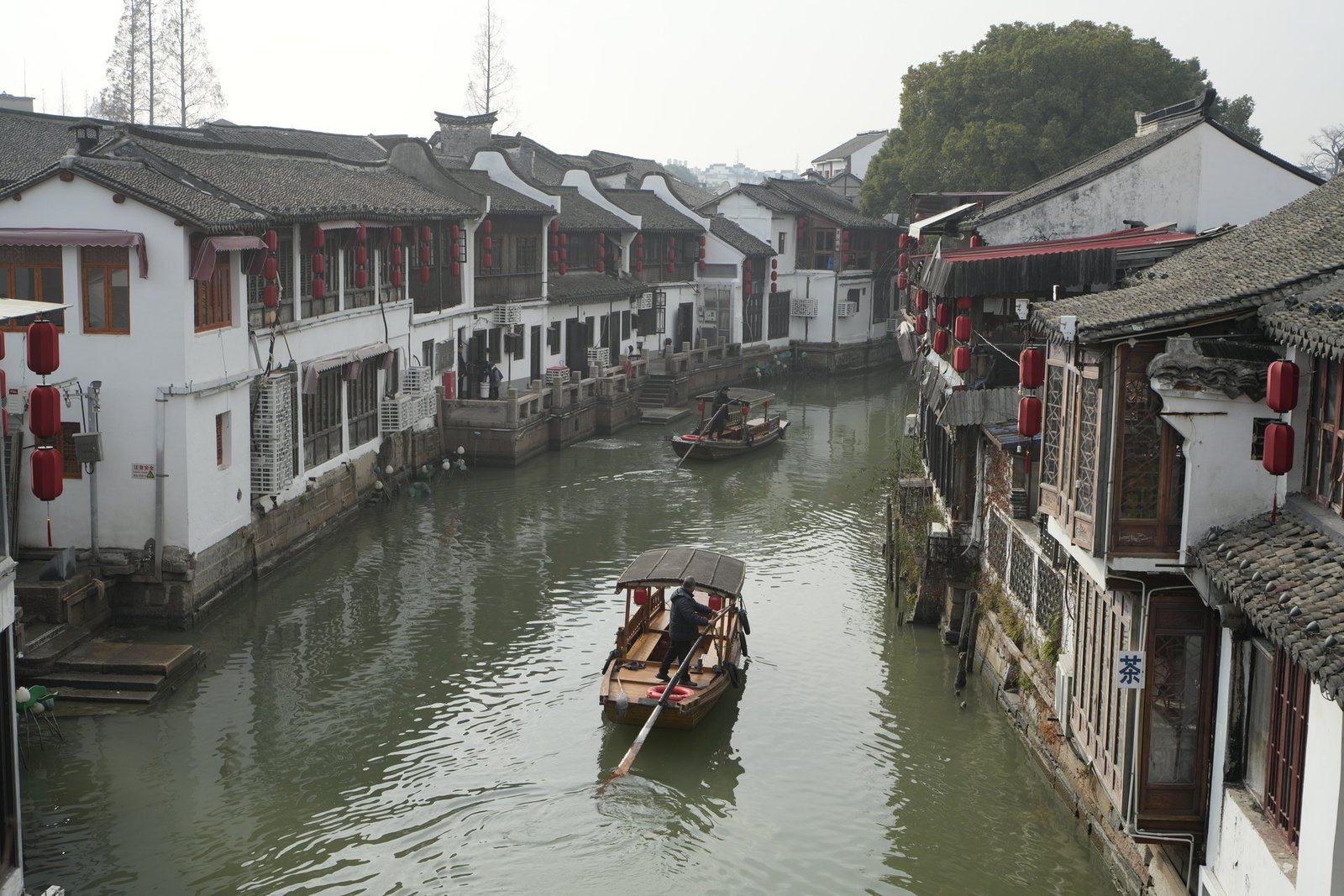
- The Water Towns: Traditional villages such as Zhujiajiao on the city's outskirts, preserving their canals, stone bridges, and old architectural character.