





























Geographic Location
Jinan sits in the northwest of Shandong Province in eastern China, on the southern bank of the Yellow River, roughly 400 kilometers south of Beijing. The city occupies a strategic position where the North China Plain meets the hilly Shandong Peninsula, making it for centuries a key crossing point between north and south China and one of the region's foremost transport and trade hubs. Today, high-speed rail lines linking Beijing and Shanghai intersect here with routes running out to the Shandong Peninsula and its Bohai Sea ports.
Economic and Administrative Role
As the administrative capital of Shandong, one of China's largest provinces by both economy and population, Jinan holds sub-provincial city status and serves as a major financial, administrative, and educational center. It forms part of the Bohai Rim Economic Zone, one of China's most important industrial clusters, and has seen rapid growth in biotechnology, electronics, IT, and advanced manufacturing alongside its traditional strengths in heavy industry and steel. The city is also home to several leading universities and research institutes, cementing its role as a scientific hub in eastern China.
Population and Climate
Jinan's population exceeds 9.5 million according to the latest official figures, placing it among China's largest cities. The city has a temperate continental monsoon climate with four distinct seasons: hot, humid summers where July temperatures climb to around 33°C, and cold, dry winters where January lows can drop below freezing. Spring and autumn are milder and generally the most pleasant times to visit.
The Historic Muslim Quarter and Its Legacy
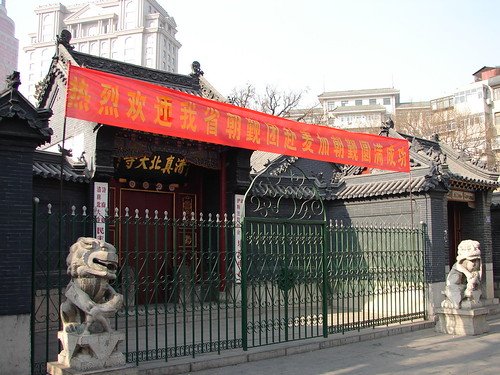
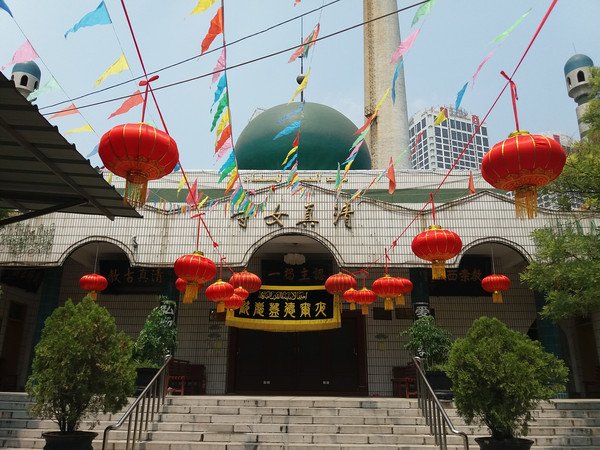
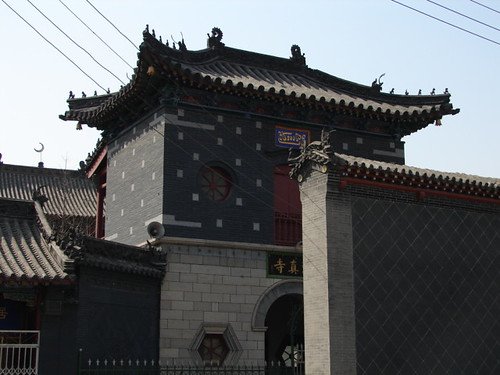
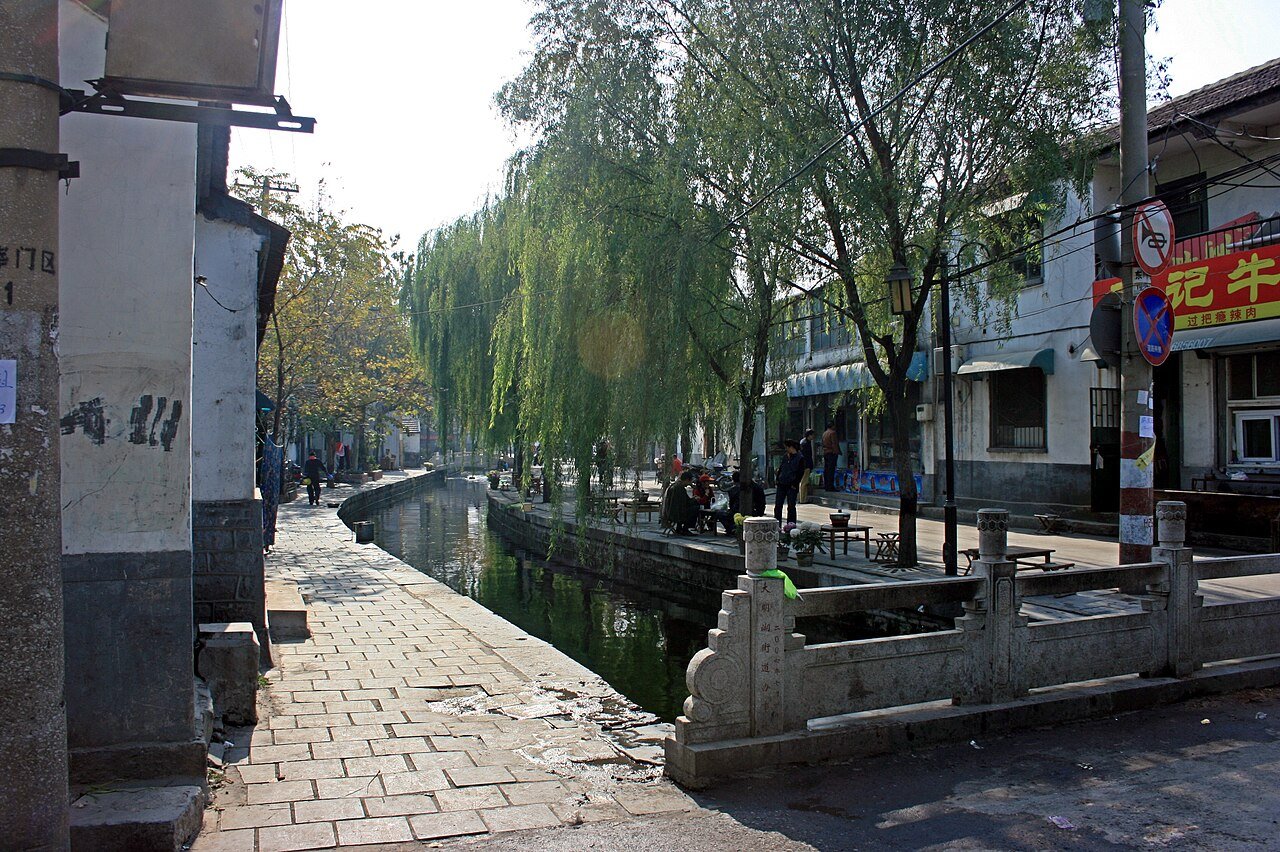
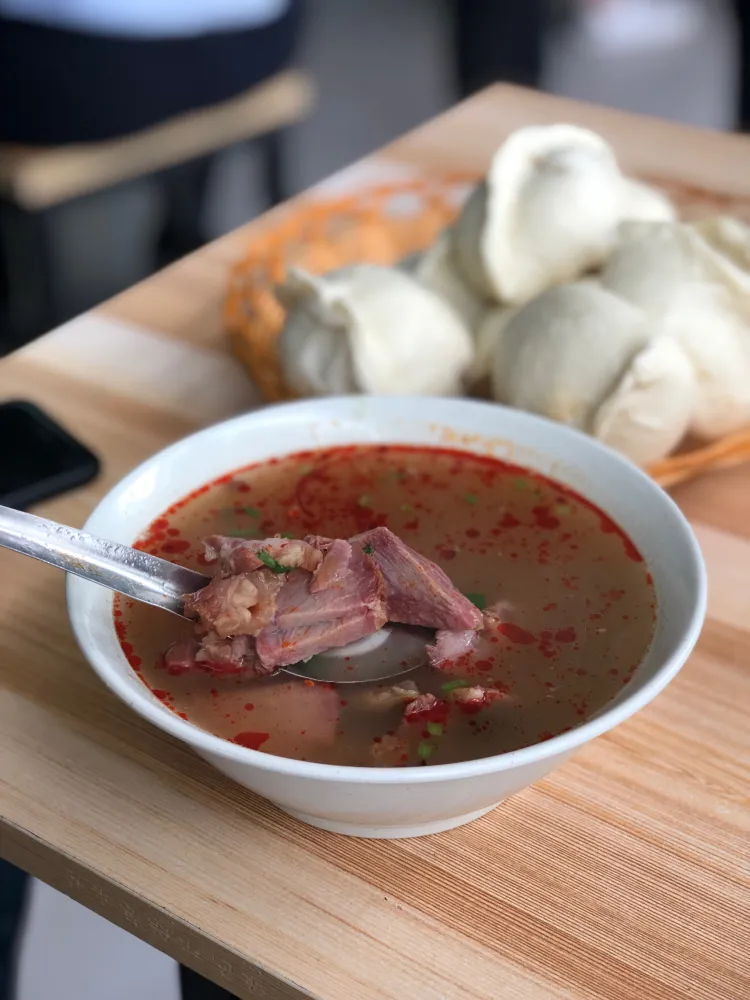
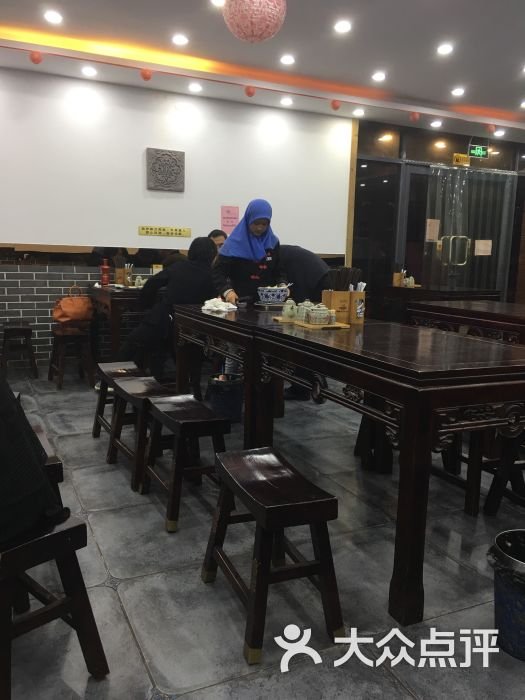
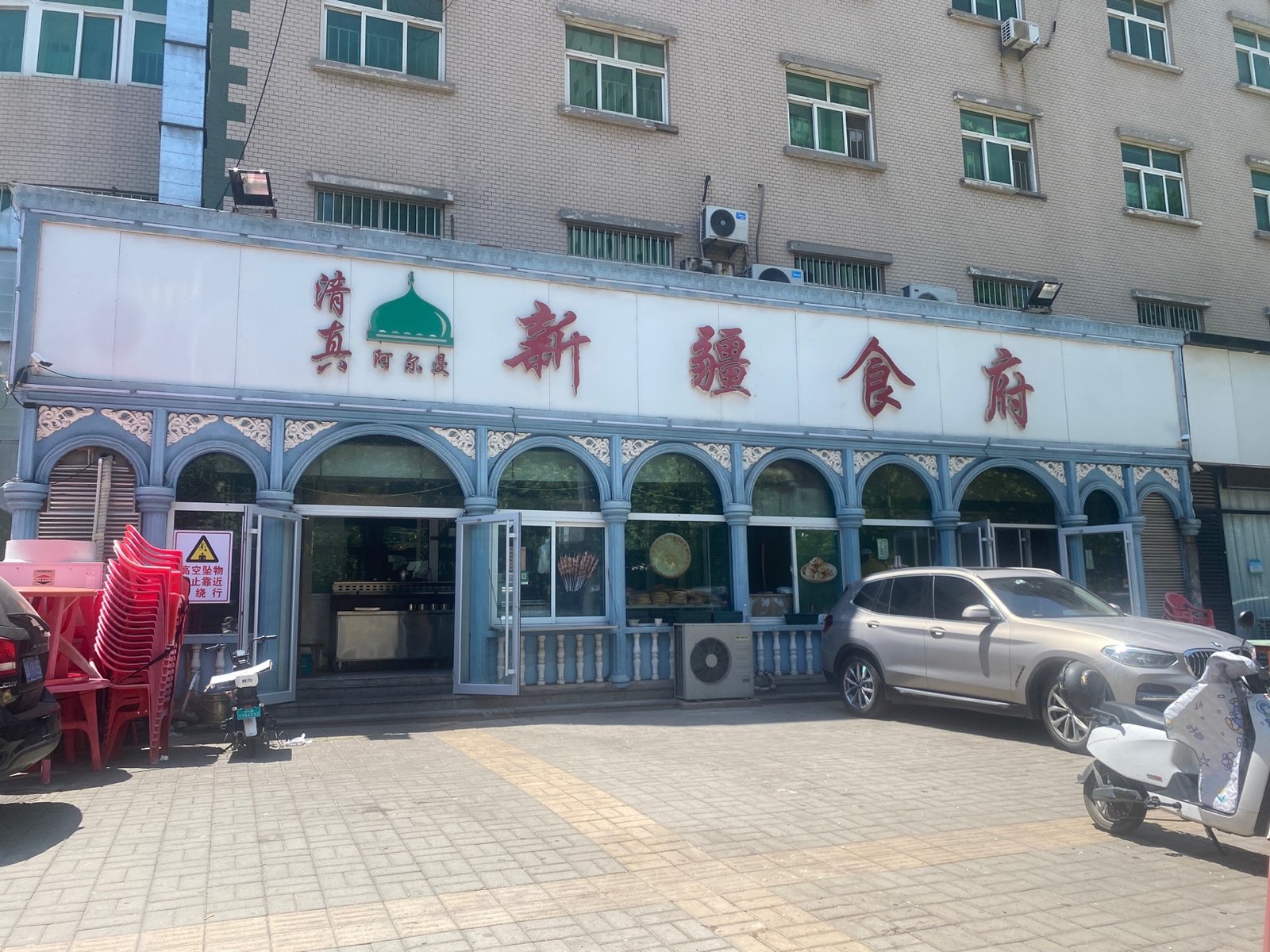
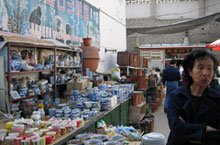
Jinan is home to one of eastern China's oldest Muslim neighborhoods, locally known as Huimin Xiaoqu, built up around a cluster of historic mosques still active today. The centerpiece is the Great Southern Mosque (Nan Da Si), founded in 1295 during the Yuan dynasty on the site of an earlier Song-dynasty mosque. Most of its current structures were rebuilt between 1436 and 1492 under the Ming dynasty, with further restorations carried out through the Ming and Qing periods. Blending traditional Chinese temple architecture with an Islamic place of worship, the mosque has been a provincially protected heritage site since 1992 and remains a living center of worship and community life for Jinan's Hui Muslim population, who have called the city home for centuries along overland trade routes. The surrounding quarter includes several other mosques serving local worshippers, among them smaller mosques traditionally reserved for women's prayer — a practice with deep roots among Hui Muslim communities across China. Halal markets, restaurants, and narrow historic lanes still wrap around the mosques, offering Muslim visitors a rare window into the long history of Islam at the heart of China.
Why Visit Jinan?
Jinan pairs striking natural beauty with deep history, offering visitors a well-rounded experience that includes:
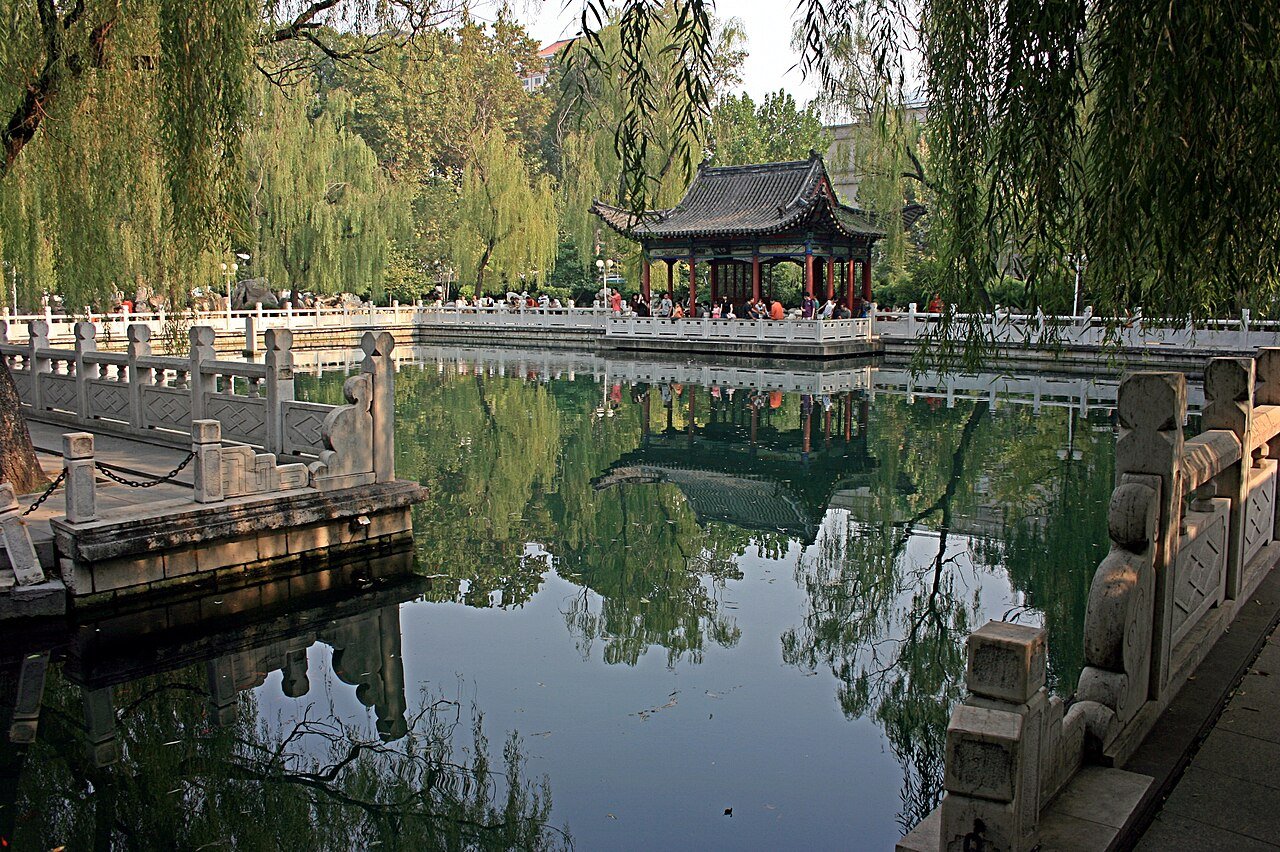
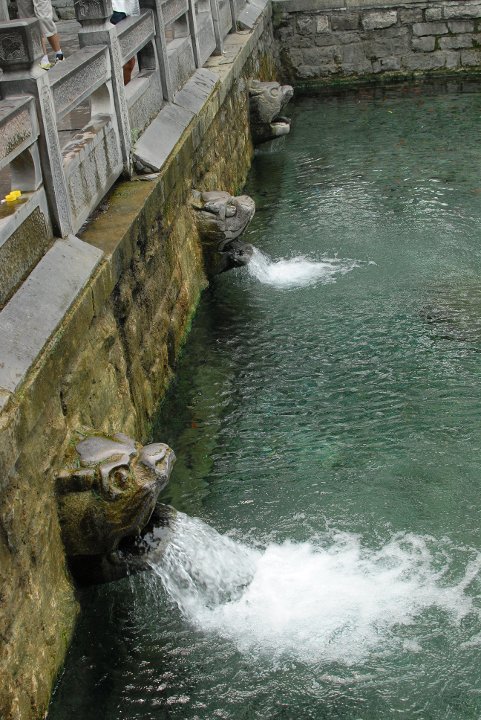
- Baotu Spring, the most famous of the 72 springs that give the city its nickname, set within an elegant park where water bubbles up year-round.
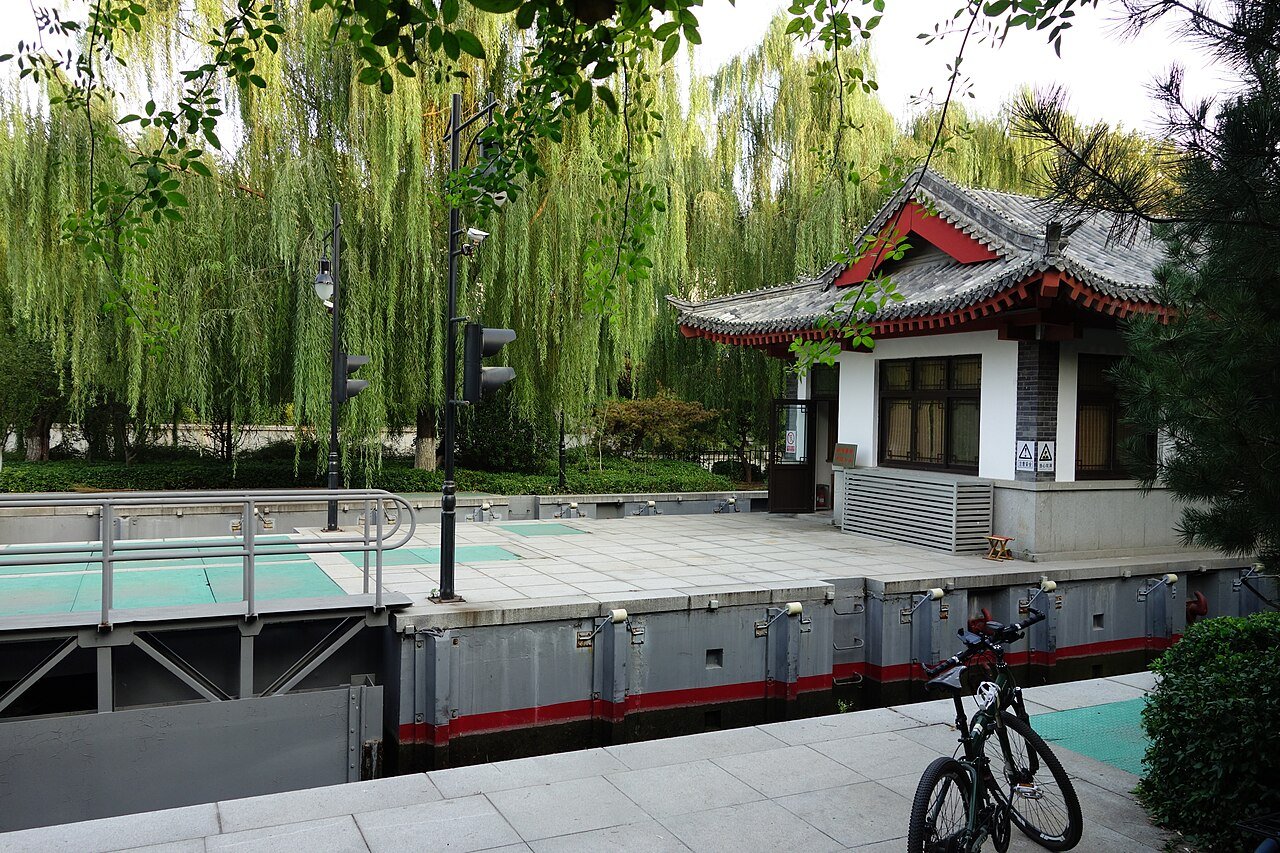
- Daming Lake, a scenic natural lake in the heart of the city, ideal for a relaxed walk past its surrounding historic sites.
- Thousand Buddha Mountain (Qianfo Shan), combining sweeping views with ancient Buddhist rock carvings.
- The historic Huimin Xiaoqu Muslim quarter, with its centuries-old mosques, halal markets, and distinctive way of life.
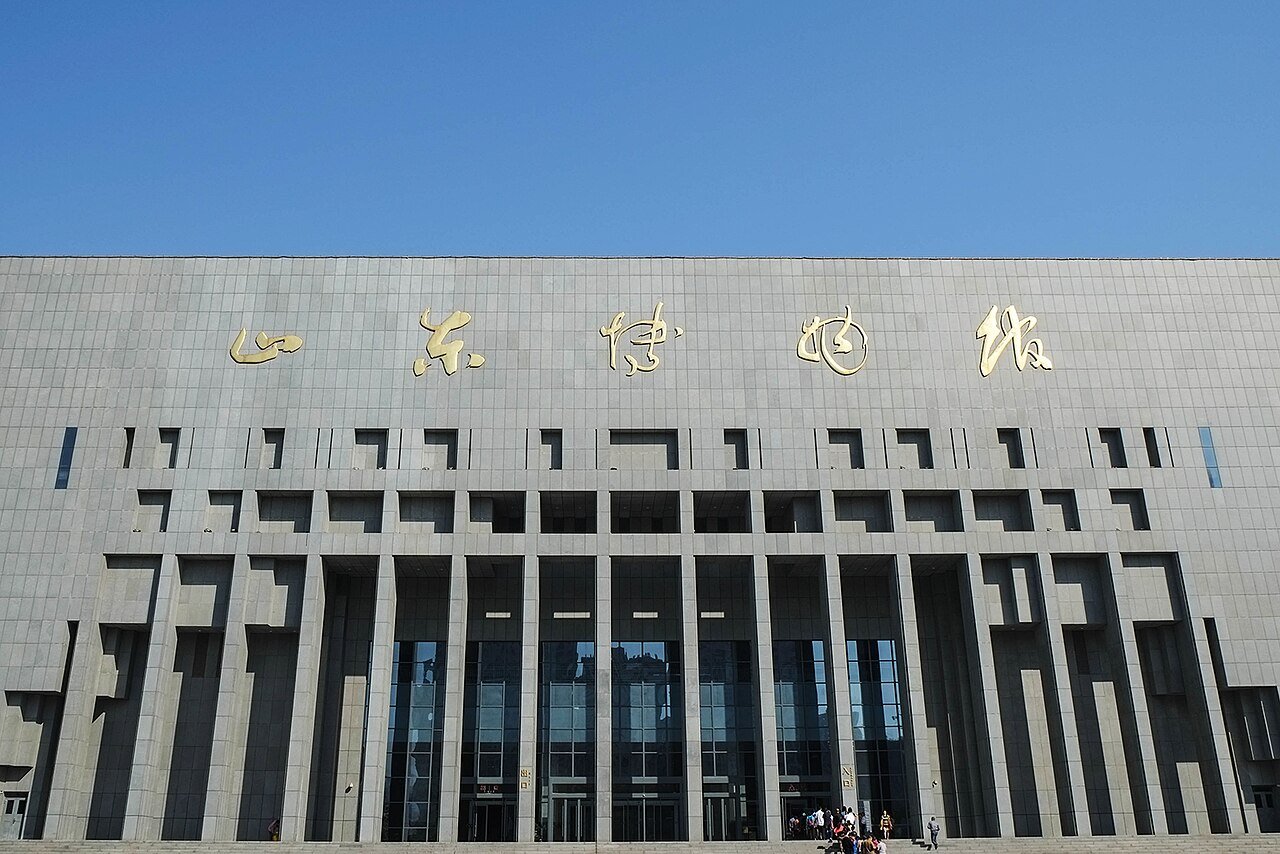
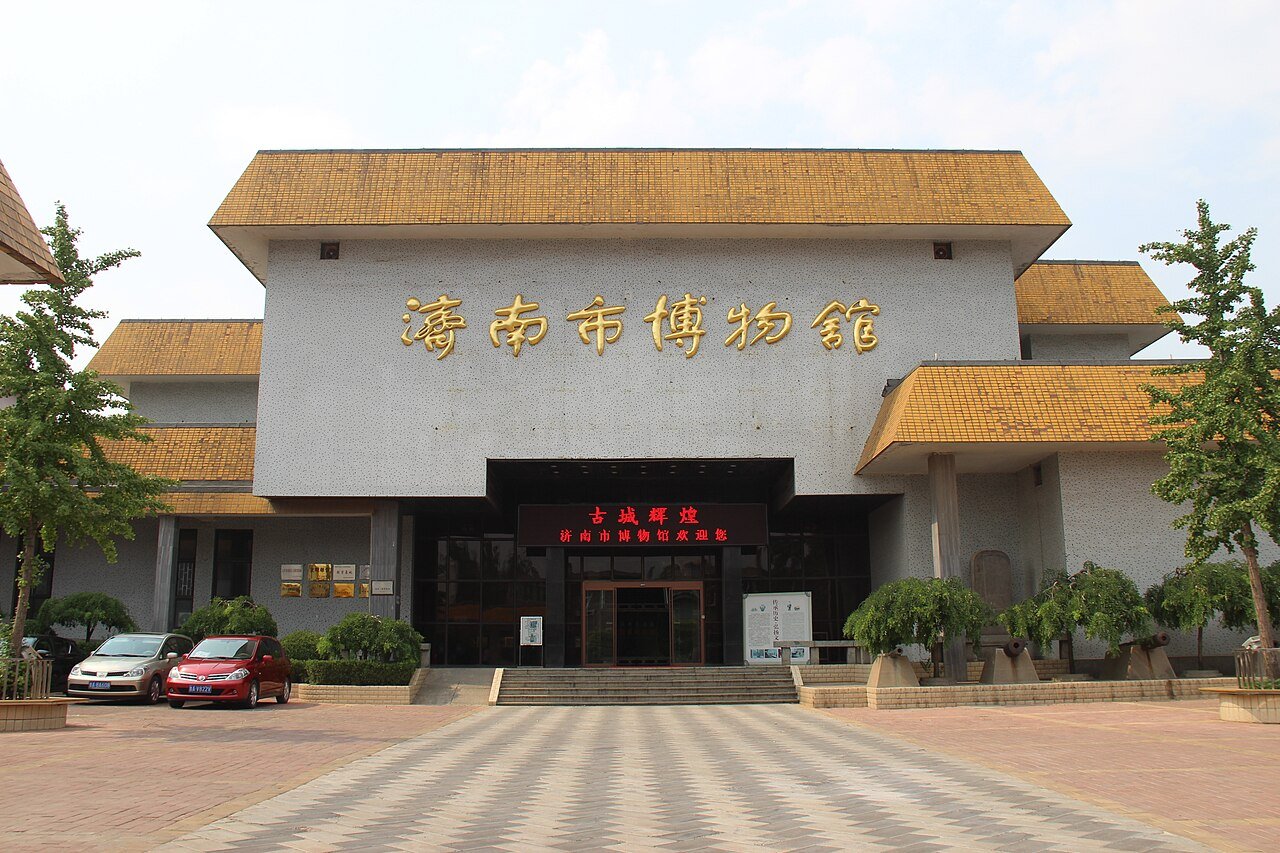
- The Shandong Museum, one of China's largest, showcasing archaeological treasures spanning thousands of years of the province's history.