










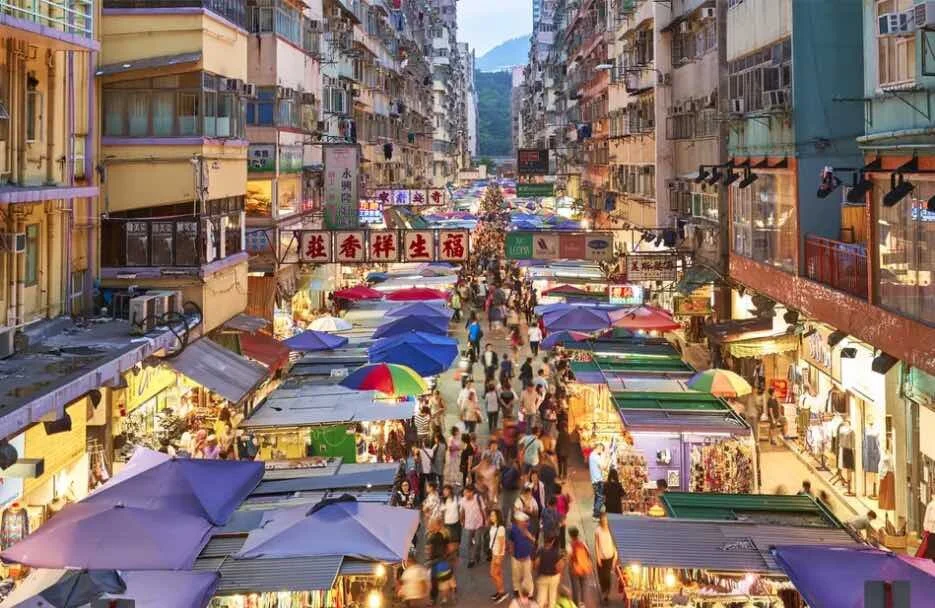

Geographic Location and Administrative Status
Hong Kong sits on the southern coast of China, made up of Hong Kong Island, the Kowloon Peninsula, the New Territories, and more than two hundred outlying islands. It holds the status of a Special Administrative Region (SAR) of China, a designation dating from the handover of sovereignty from Britain on 1 July 1997, following more than a century and a half of British colonial rule that began in 1841. Under the "one country, two systems" framework, Hong Kong keeps its own legal, customs, and monetary systems separate from mainland China, and most visitors need only a valid passport to enter, without a separate visa from mainland China.
Economic Role: A Global Financial Hub and Free Port
Hong Kong ranks among the world's top three financial centers, alongside New York and London, hosting the headquarters of hundreds of international banks and investment firms and home to the Hong Kong Stock Exchange, one of Asia's largest equity markets. The city is also a free port with no customs duties on most goods, which for decades made it the primary trade gateway between China and the world. This blend of economic freedom and a strategic location at the heart of Asia has turned Hong Kong into a shopping and business hub drawing millions of tourists and business travelers every year.
Population and Climate
Hong Kong is home to roughly 7.5 million people, making it one of the most densely populated places on earth, with residential and commercial towers packed onto a very limited stretch of flat land. The city has a humid subtropical climate, with hot, humid summers from May to September that can bring tropical typhoons, and mild, relatively dry winters from December to February when temperatures can dip below 15°C. Many Arab visitors prefer to visit in autumn and winter to avoid the intense summer humidity.
The Historic Muslim Community and the City's Mosques
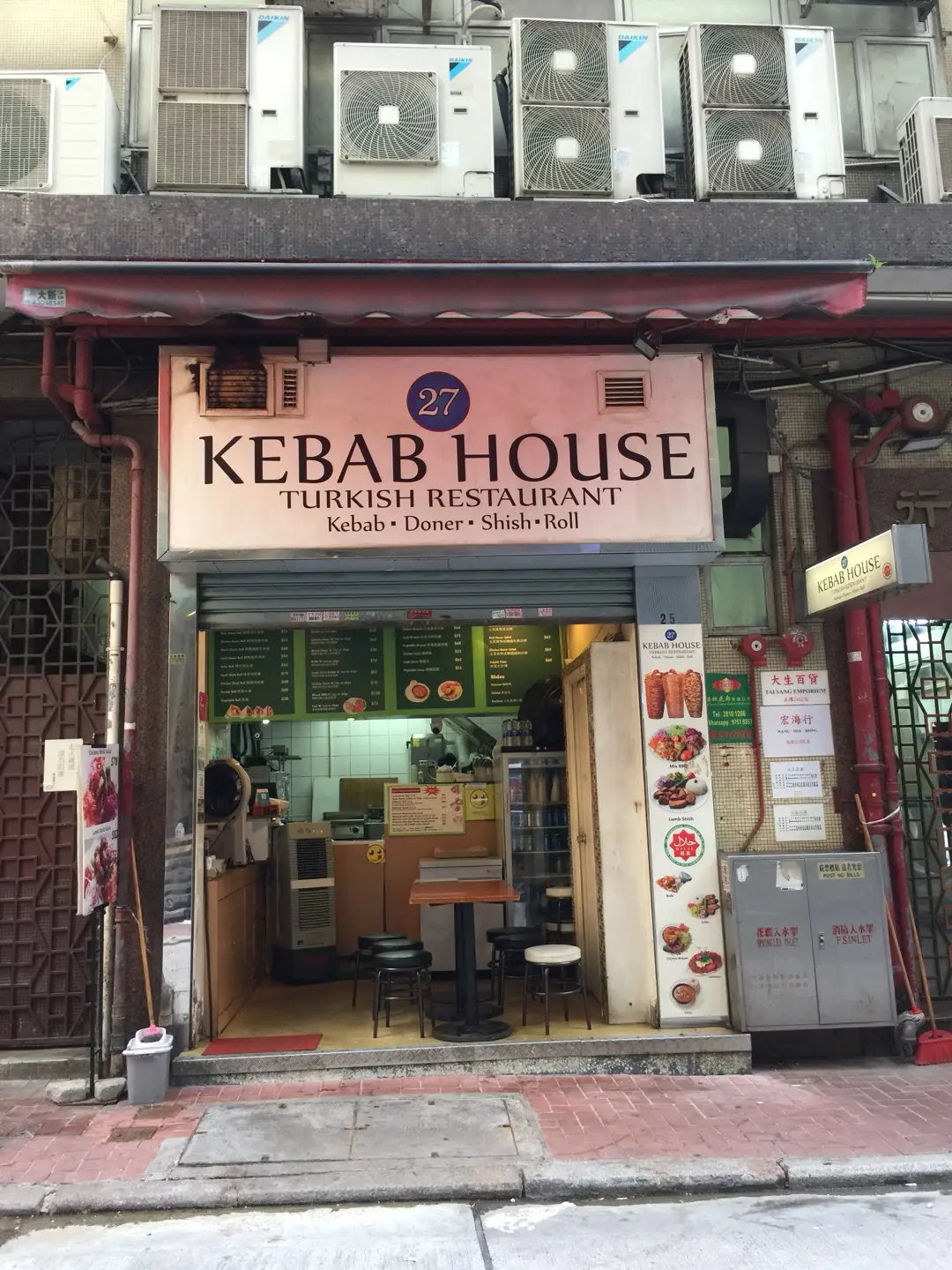
Hong Kong has a rich Islamic history stretching back more than a century and a half. Muslims first arrived in the 19th century from the Indian subcontinent, working as traders, sailors, soldiers, and police officers. Today the city has four main mosques serving its resident and visiting Muslim community. The oldest is Jamia Mosque (also known as Shelley Street Mosque), built in 1849 on Hong Kong Island, making it the oldest mosque in Hong Kong and one of the oldest in all of China; it has been declared a Grade I historic monument in recognition of its heritage value. The city's largest mosque is the Kowloon Mosque and Islamic Centre, located at 105 Nathan Road in the bustling Tsim Sha Tsui district. First established in 1896 and rebuilt in its current form in 1984, it can hold around 3,500 worshippers and is today a landmark easily spotted from the street by its white dome and twin minarets. Around these two mosques—especially in Tsim Sha Tsui, Kowloon, and the Wan Chai area, home to Masjid Ammar—a wide range of halal restaurants and shops serve South Asian, Middle Eastern, and Chinese halal cuisine, making it relatively easy for Muslim travelers to get around and eat well in Hong Kong.
Why Visit Hong Kong?
- Victoria Peak: the highest point on Hong Kong Island, reachable by the historic tilted tram, offering a panoramic view over the city and Victoria Harbour.
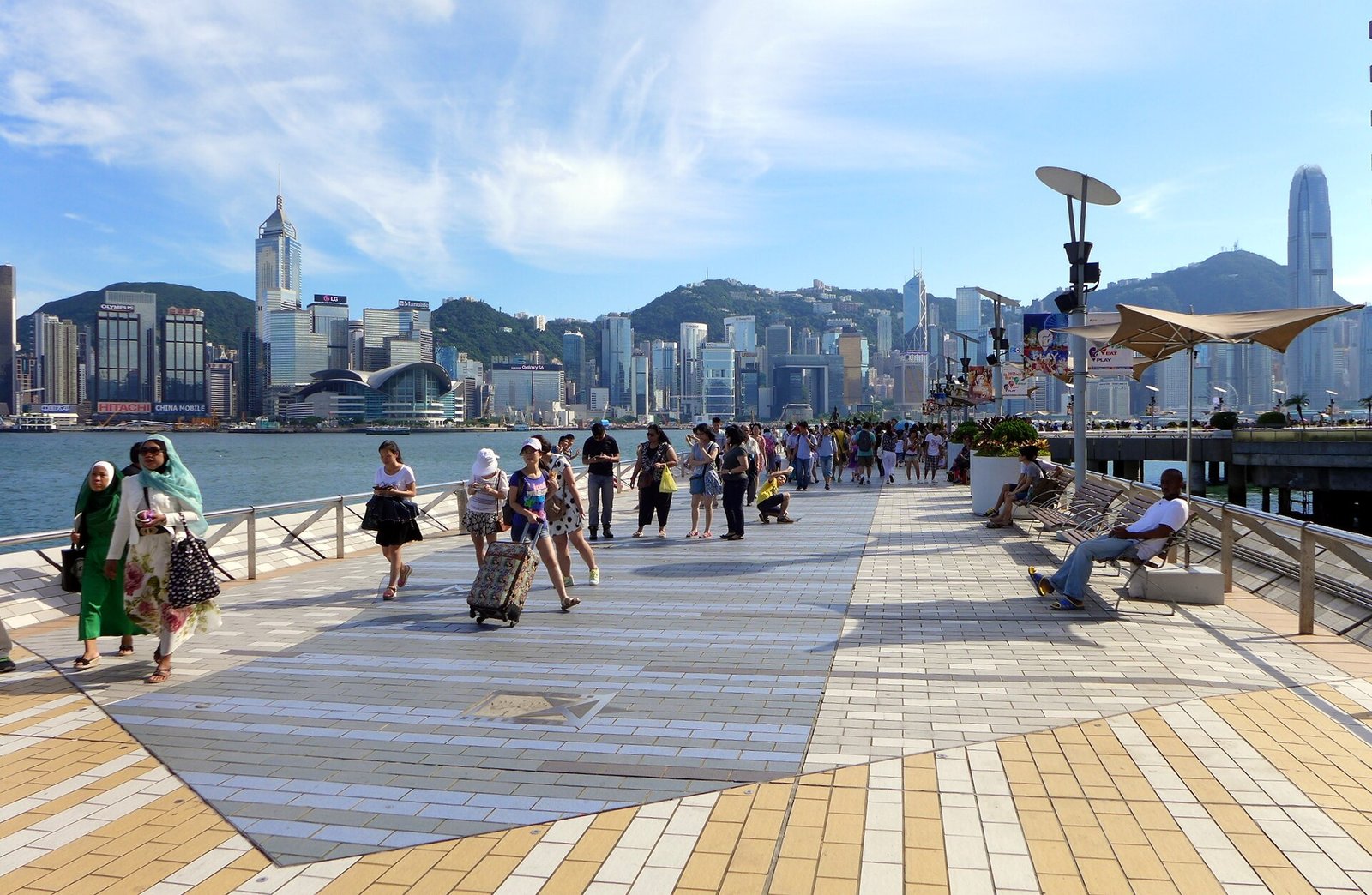
- Victoria Harbour: one of the world's most beautiful harbours, where skyscraper lights shimmer each evening in a daily light show watched by thousands along both waterfronts.
- The Big Buddha, Lantau Island: a massive bronze statue atop Ngong Ping hill, reached via a glass-bottomed cable car overlooking the island and the airport.
- The Star Ferry: one of Asia's most iconic ferry rides, linking Hong Kong Island and Kowloon for over a century with a short crossing and a stunning view.
- Shopping and Markets: from the lively Temple Street Night Market to luxury malls, Hong Kong offers a shopping experience to suit every taste and budget.