Baku's climate leans closer to a warm, semi-arid steppe climate than the mild coastal weather you might expect from a city sitting directly on the Caspian Sea. That contrast between its seaside location and its powerful steppe winds is exactly what makes timing your trip matter.
Wind comes first, then heat
Before the numbers, know that Baku's historic name, "Bad-kube," literally means "City of Winds," a nod to the two dominant winds that sweep the city: the cold, strong northern Khazri, and the milder, warmer southern Gilavar. These winds make the air feel colder or hotter than the stated temperature suggests, so a light windbreaker is worth packing even in peak summer.
Summer (June-August): hot and dry
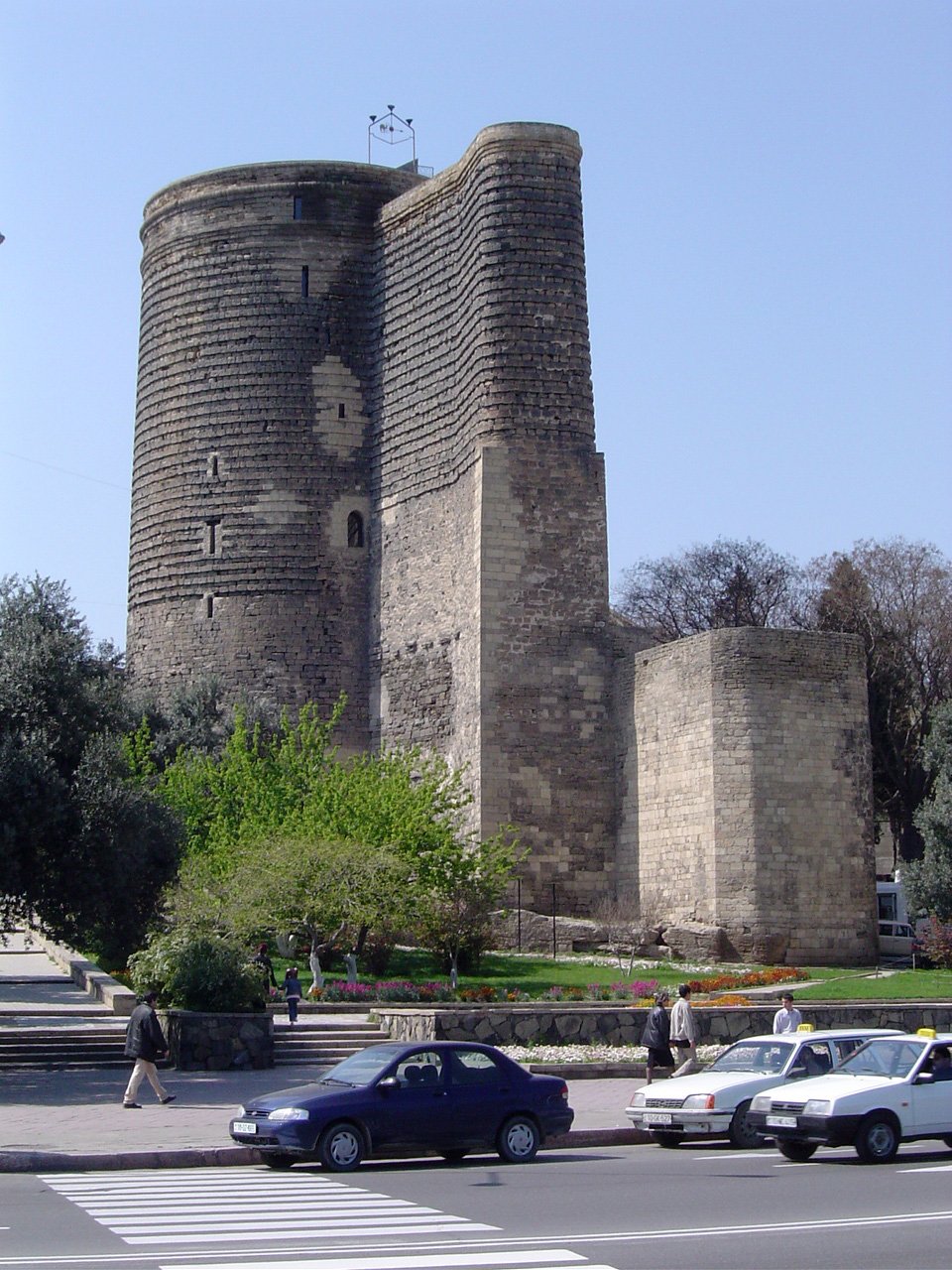
July and August are the hottest months, with average daily temperatures around 26-27°C and highs touching 32°C. The pleasant surprise is that humidity is much lower than you'd expect from a coastal city, and rain is almost nonexistent - July averages just one rainy day, with only about 6mm of rainfall. That makes summer good for combining city sightseeing with Caspian beach time, but midday walks through the Old City's narrow lanes can be draining; schedule tours for morning or late afternoon.
Autumn (September-November): usually the sweet spot
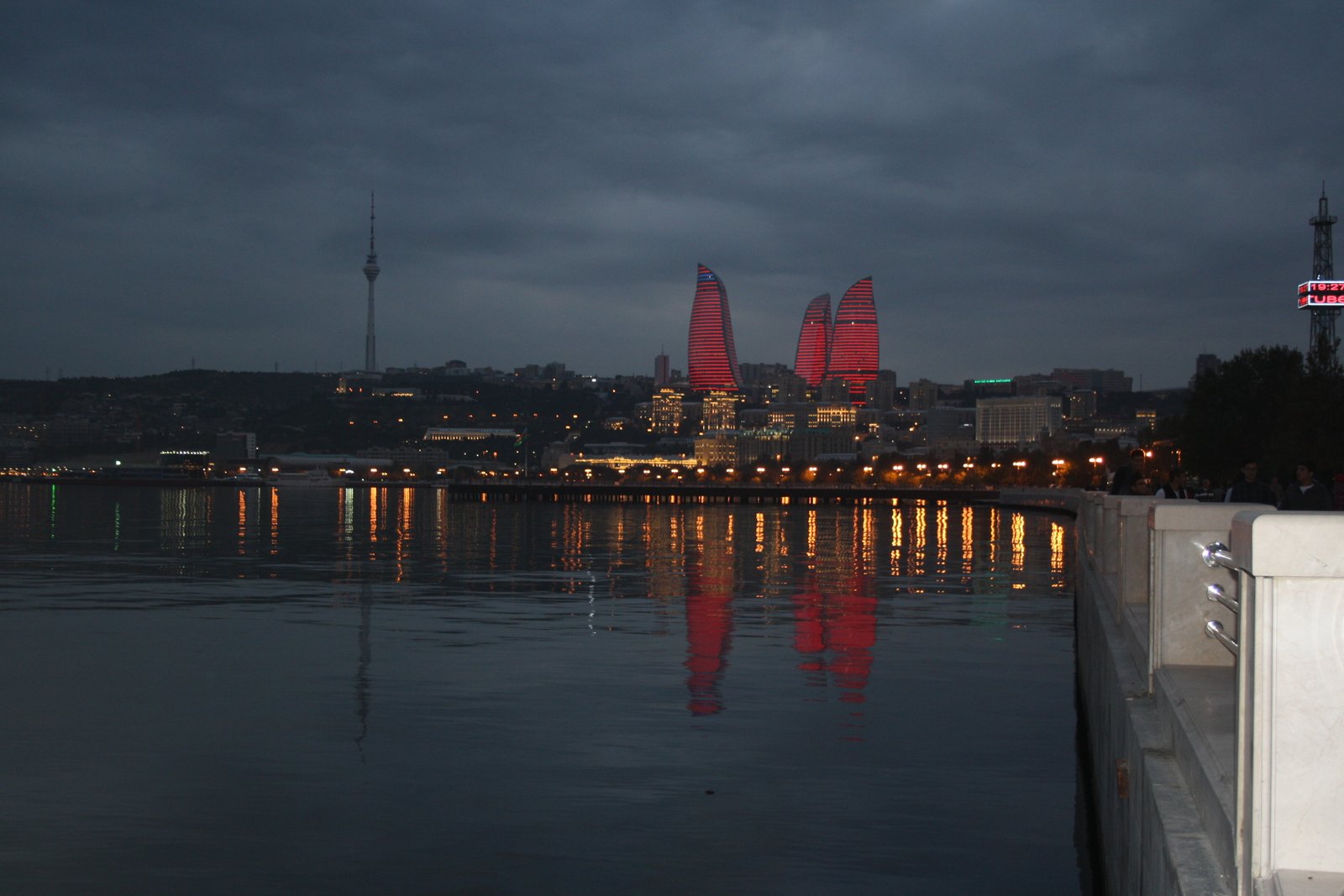
September and October are widely considered the best window: mild temperatures between 21-30°C, light rain, and soft light that flatters both the waterfront and the illuminated towers at night. November is the wettest month of the year (around 42mm on average) but stays relatively mild compared to deep winter.
Winter (December-February): mild, but the cold can surprise you
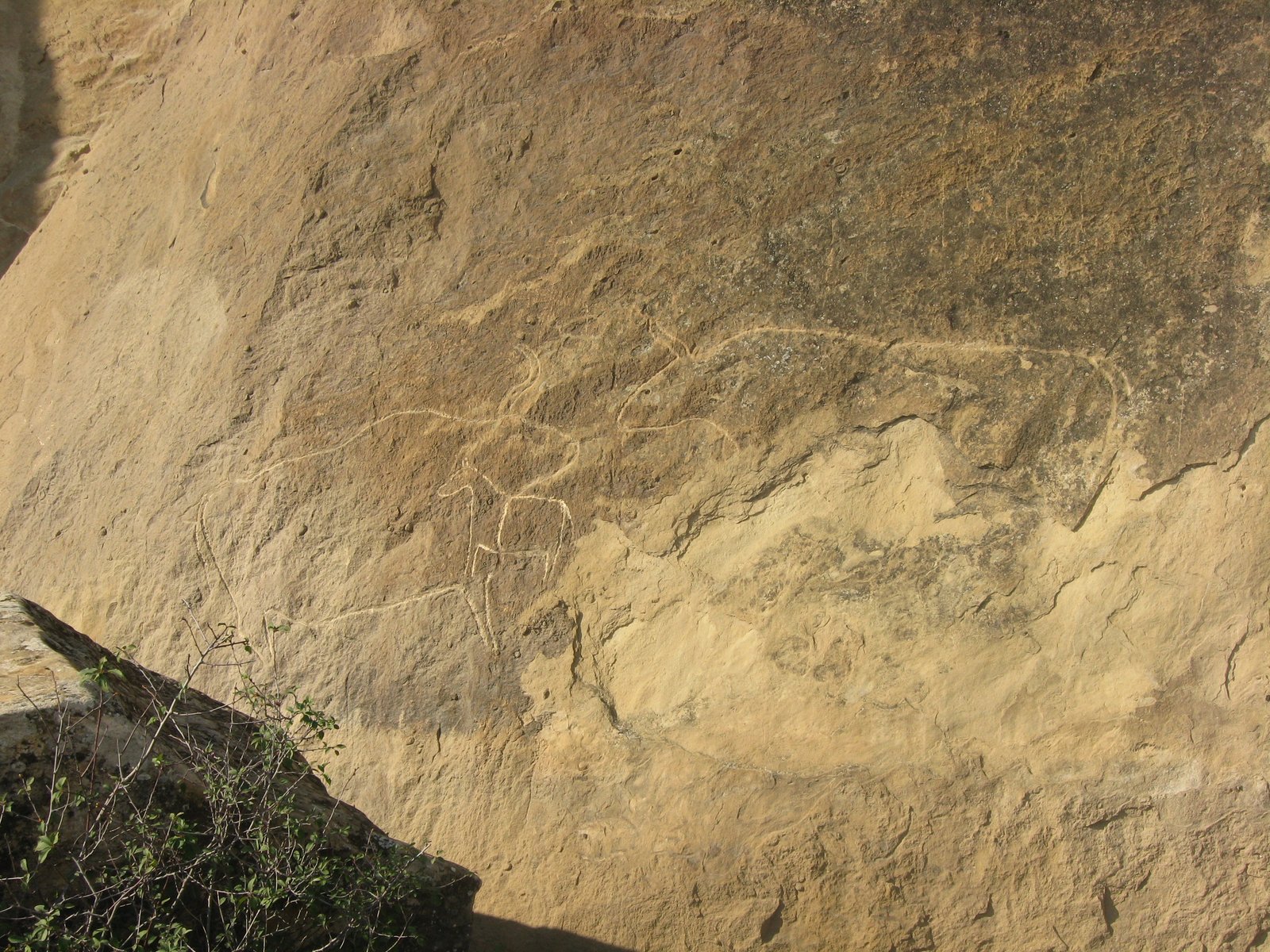
Baku's winter is far gentler than the nearby Caucasus mountains, but it's not warm. January and February are coldest, averaging around 5°C daily, and night temperatures can drop to 1°C or below when cold air masses push down from Siberia. Snow is rare in the city itself but does happen. This season is good for lower hotel prices and travelers who don't mind a warm coat, but less suited to long day trips to Gobustan or the Absheron Peninsula.
Spring (March-May): a strong rival to autumn
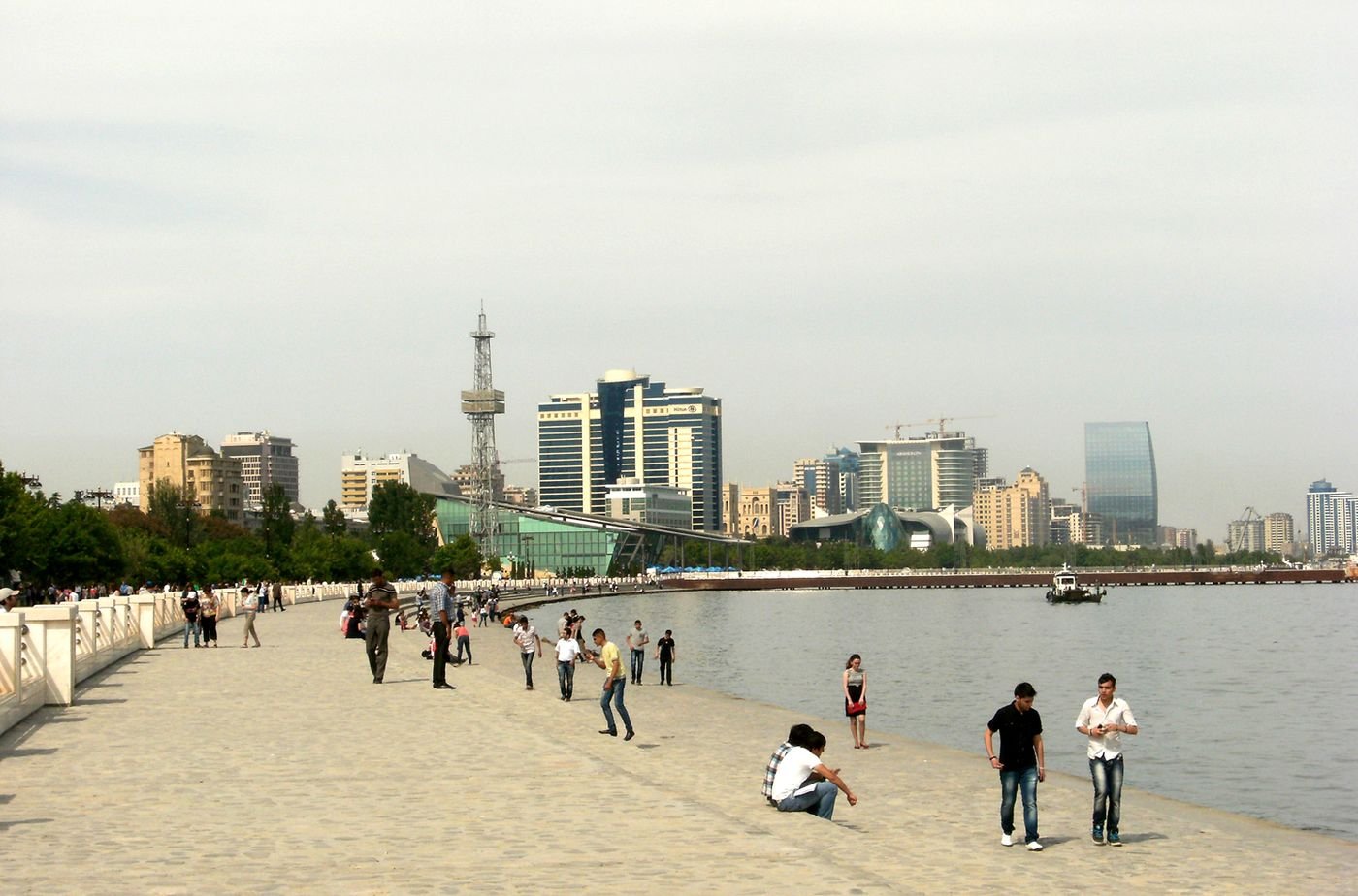
April and May compete directly with autumn for the best-season title: temperatures climb gradually without extremes, and the Boulevard's gardens and the waterfront promenade are at their greenest after winter rains. May specifically is a good entry point into a long summer season without its peak heat.
Caspian Sea water temperature
If you're combining the city with a beach day, Caspian waters near Baku reach their warmest between July and September, making these months best for the coastal resorts near the city, while the sea stays relatively cool the rest of the year.
Practical summary
- Ideal weather and photography: September-October
- Lower budget and lighter crowds: December-February (pack layers)
- City plus swimming: July-September (avoid midday hours)
- Blooming gardens, gentle weather: April-May
Whatever season you pick, don't forget a windbreaker - it's the wind, not the temperature alone, that shapes how Baku actually feels on the ground.