Visa: the same South Africa-wide exemption
What applies to South Africa as a whole applies to Cape Town: Saudi passport holders have been exempt from visas for tourist visits up to 90 days since August 2019, provided the passport is valid six months past the departure date, and you carry proof of onward or return travel. The final decision rests with the immigration officer at the airport, so keep your hotel booking and return ticket easily accessible. Remember this is a tourism-only exemption and doesn't cover work or study.
Getting to Cape Town
There are no direct flights from Saudi Arabia to Cape Town; the trip usually runs through a connecting hub like Dubai, Doha, or Addis Ababa, followed by a connecting or direct flight from there to Cape Town International Airport. Another common alternative is flying to Johannesburg first, then taking a short domestic flight (about two hours) to Cape Town — a good option for anyone wanting to visit both cities on one trip.
Reversed seasons: this changes everything
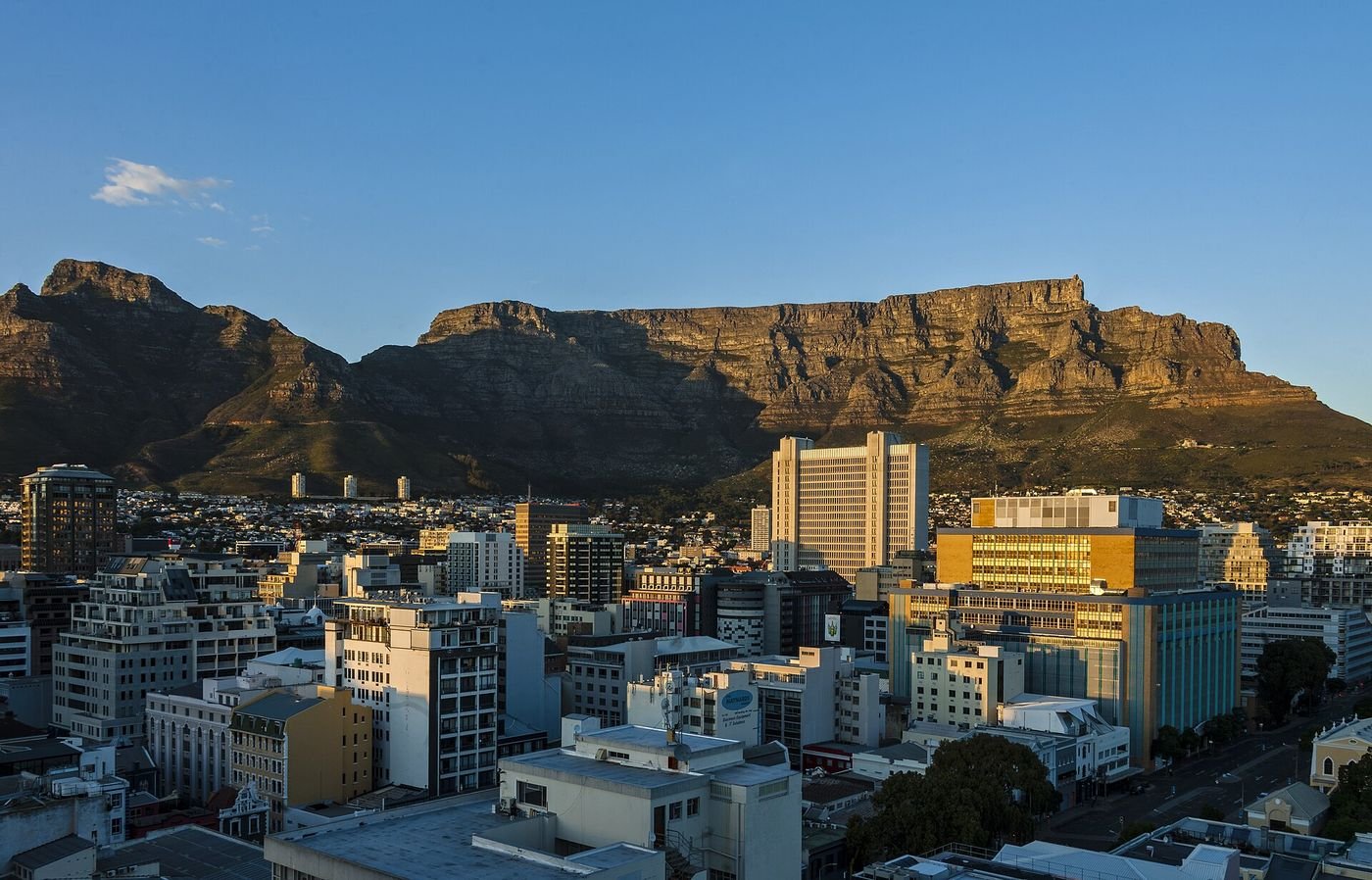
Cape Town is in the Southern Hemisphere, so summer runs November to March (hot, dry, and sunny — the best time for Camps Bay beach and general sightseeing, but also peak tourist season with higher prices), while winter runs June to August (rainy and relatively windy, but a wonderful season for spotting humpback whales that come close to the coast, with fewer crowds and better prices). Generally, the best times balancing good weather and reasonable prices are autumn (March-May) and spring (September-November), when winds are less intense — Cape Town is famous for strong summer winds, specifically the notorious "Cape Doctor" southeaster, which can sometimes shut down the cableway.
Currency and budget
The currency is the South African Rand (ZAR); check the exchange rate close to your travel date. Cape Town is slightly pricier than Johannesburg given its greater global tourist fame, but it remains cheaper than most Gulf cities and comparable European destinations of similar natural beauty. A good meal at a V&A Waterfront restaurant might cost $15-25, and a mid-to-good hotel night runs $70-180 depending on location and season. Cards are widely accepted, but carry cash for markets and tips.
Getting around the city
Cape Town is more walkable than Johannesburg in certain areas, like the Waterfront and city center by day, but longer trips (Cape Point, the winelands, various beaches) require a rental car, an organized tour, or Uber/Bolt. Driving is on the left, and coastal roads are beautiful but can be narrow and steep in places, so careful driving matters, especially if you're not used to mountain roads.
Halal food and the Cape Malay community
Cape Town is home to one of Africa's oldest and most established Muslim communities, the centuries-old "Cape Malay" community, historically centered in the famous colorful Bo-Kaap neighborhood. This means an exceptional abundance of halal restaurants and historic mosques, plus a unique local cuisine blending Indonesian, Indian, and African flavors well worth experiencing in its own right.
A safety note
Cape Town is generally considered more relaxed and tourist-familiar than central Johannesburg, but basic safety awareness remains necessary: stick to well-known tourist areas, avoid isolated beaches at night, and don't leave your belongings unattended on the beach.