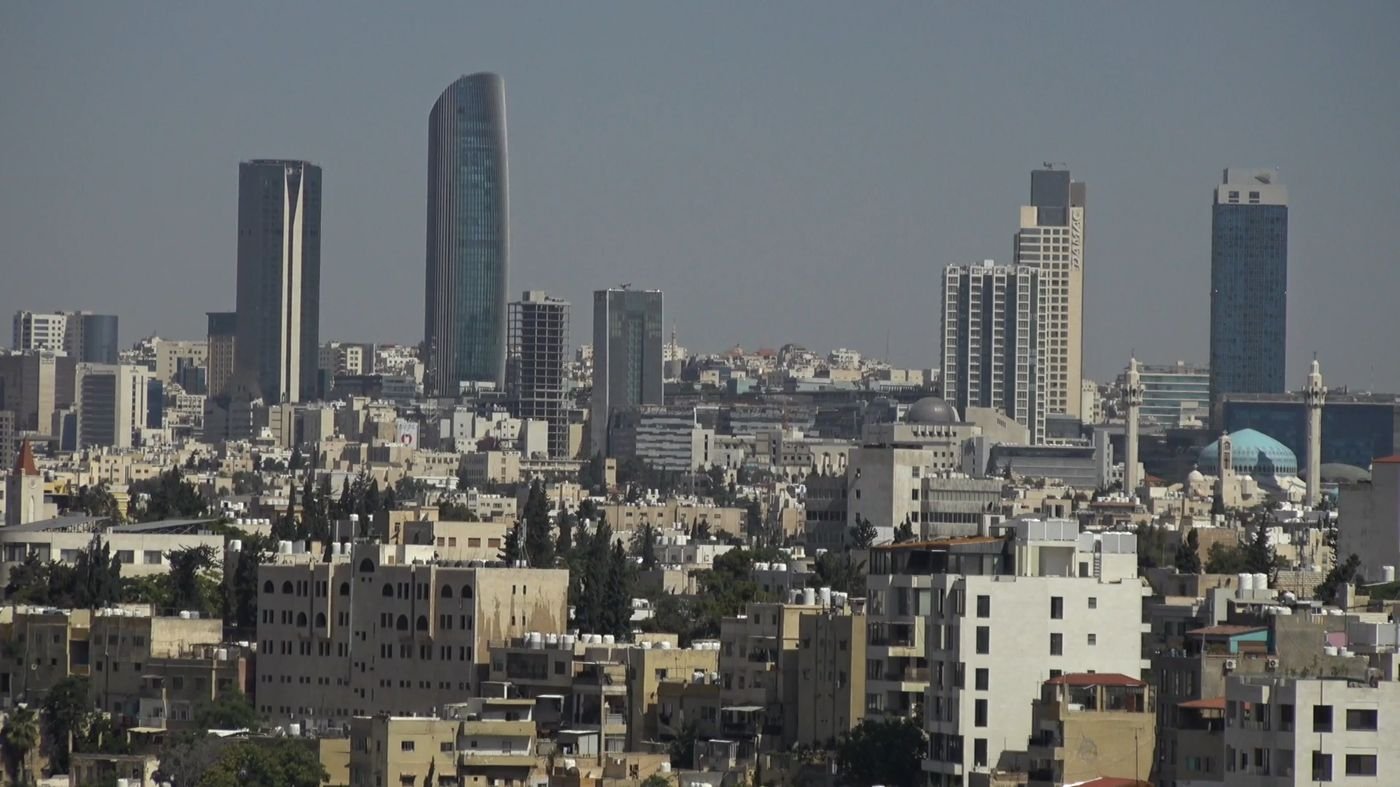
Amman is a city best explored by stomach as much as by foot, and here's the reassuring news for any Gulf visitor: Jordan is an overwhelmingly Muslim-majority country, so food is halal by default almost everywhere, from upscale hotel restaurants to the simplest falafel stall in a back alley.
If you only pick one meal in Amman, make it Hashem Restaurant in downtown, one of the city's most storied eateries (running since 1952), a place with no traditional menu — they simply bring you a rolling succession of crispy falafel, hummus, moutabal, foul medames, and fresh bread, at prices remarkably low for the quality on offer. Expect a line at peak hours, since its fame has gone global, but it's worth the wait.
For a heartier main course, seek out a restaurant serving mansaf, Jordan's national dish: lamb cooked in a fermented yogurt sauce (jameed) over a bed of rice, topped with toasted almonds — a rich dish worth trying at least once, ideally at a restaurant specializing in traditional Jordanian cooking rather than a fast-casual spot. Also try maqluba and musakhan, and start any main meal with a round of classic Jordanian mezze: hummus, baba ghanoush, fattoush, and tabbouleh.
For dessert, there's no debate: Habibah Sweets in downtown (running since 1951) is the city's most famous destination for knafeh — hot cheese pastry topped with fine wheat threads and doused in sugar syrup, best eaten hot straight off the tray. Multiple branches exist around the city if you can't make it to the original downtown location.
Beyond downtown, Rainbow Street in Jabal Amman offers a completely different scene of modern cafés and restaurants serving international food alongside local dishes — a good option for a more contemporary atmosphere after a day exploring the traditional markets. Abdali Boulevard, meanwhile, offers a more upscale, higher-priced experience, suited for a relaxed evening dinner.
Practically speaking, there's no need to worry about prayer times — mosques dot every neighborhood, and most restaurants continue operating normally with a brief pause during the call to prayer. Tea and Arabic coffee are a fixture of any social gathering, and you may be offered a cup free of charge as a gesture of hospitality at smaller shops. If your visit falls during Ramadan, expect most local eateries to come alive in the evening after iftar, while large hotel restaurants continue their usual daytime service for non-fasting guests.