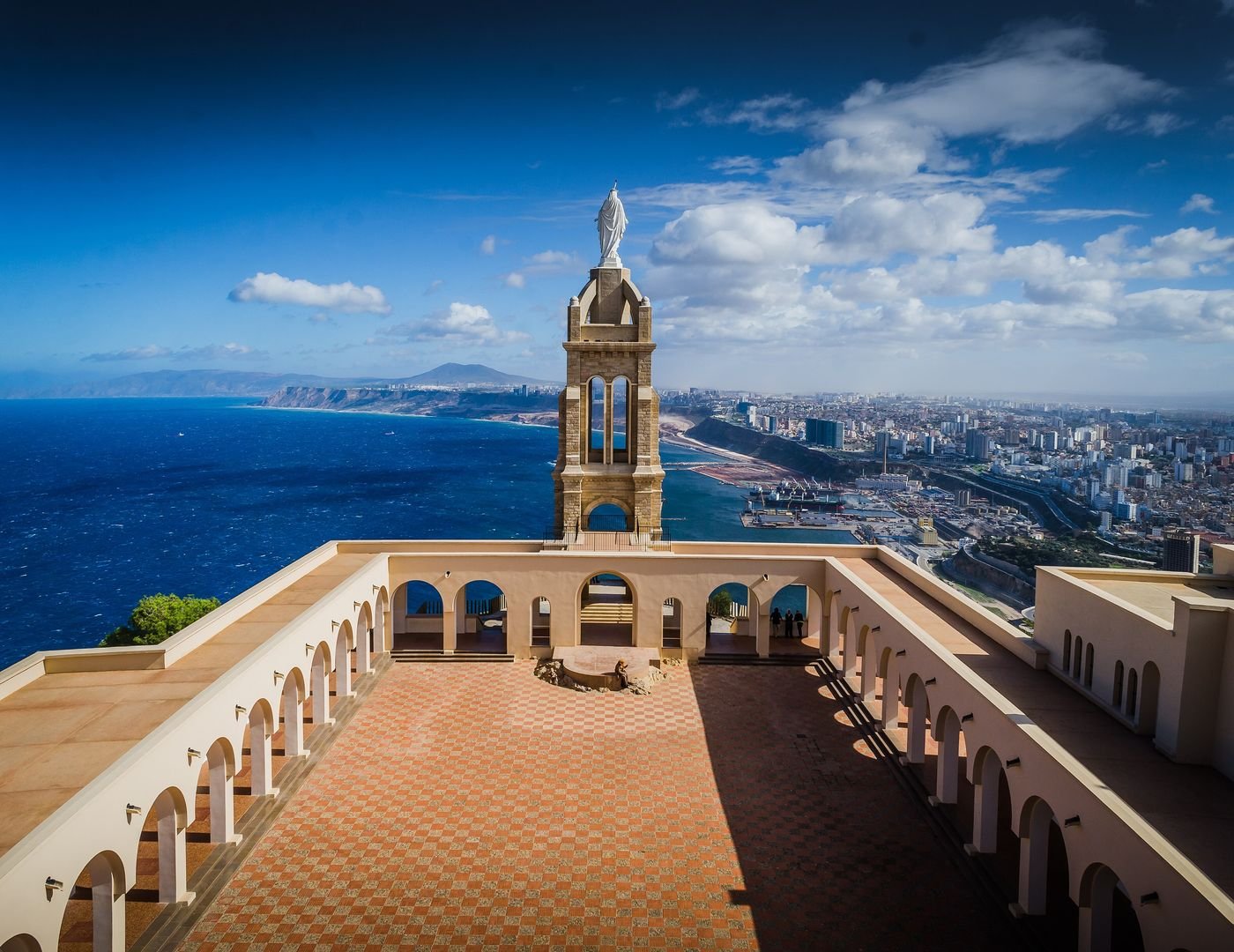
Oran is a city with a genuinely multicultural history, and that diversity is clearly reflected in its local cuisine, which blends Maghrebi traditions with Spanish and French influences accumulated over centuries of exchange, occupation, and migration.
Karantita: The Dish Most Associated with Oran
If there's one dish that could be called Oran's most representative street food, it's karantita (also known as "calentica"), a type of "flan" made from chickpea flour, baked and then sliced and served hot with cumin and chili. It's a fully vegetarian dish, protein-rich and very cheap, found at stalls and street vendors downtown, especially in the evening.
Bourek Annabi: A Bigger, Richer Local Version
Classic bourek (fried stuffed rolls) is found across Algeria, but the version known locally as "bourek annabi" is larger and more substantial, stuffed with a mix of mashed potato, ground meat, mushrooms, cheese, egg, and parsley — a dish nearly substantial enough to be a meal in itself rather than a light appetizer.
Couscous and Chorba: The Shared Essentials
As in the rest of Algeria, couscous remains a staple on Oran's tables, served with meat and vegetable broth. Chorba (red with tomato, or white with chicken, chickpeas, and lemon) remains the traditional opener for any main meal, especially at family gatherings and during Ramadan.
A Spanish Imprint on the Flavors
Oran's long Spanish history (1509-1708, then 1732-1792) left subtle but present traces in some local cooking traditions and baked goods, part of what makes Oranian cuisine slightly different from that of other Algerian cities less shaped by this long Spanish chapter.
Where to Eat
The best experience is usually found at small stalls and family restaurants around downtown and Place d'Armes, where prices are reasonable and flavors authentic. Avoid relying solely on large hotel restaurants if you want an authentic experience.
Practical Tips
- Try karantita from a vendor with a visibly strong local following — that's a good sign of quality and freshness.
- During Ramadan, special iftar dishes are available at local restaurants, and trying them is a rare opportunity to understand the city's social character.
- Popular markets are a good place to buy local spices and nuts as small gifts.
Oran's cuisine condenses its history into flavor: a blend of Maghrebi simplicity and European influences that arrived across the sea.