If Bukhara's plov is cooked in separately layered stages, Samarkand's plov has its own style that gives it a reputation as the "lighter" version among the country's regional takes on this dish. The Samarkand method places rice at the bottom of the pot, then a layer of carrots, and finally meat on top, letting the whole dish steam without stirring, often using flaxseed oil instead of other oils, giving it a distinctive flavor noticeable to anyone who tries the Bukharan and Samarkand versions side by side. The best place to try it is the famous Siyob Bazaar, where dozens of vendors serve fresh plov cooked that morning in giant cauldrons.
But the most globally famous of Samarkand's foods isn't plov — it's the bread, "Samarkand non," as it's known locally. This round flatbread, thinner in the center and with a softer crust than bread from other cities, is baked in traditional clay tandoor ovens, its surface decorated with intricate geometric patterns using a traditional tool called a "chekich" — a wooden stamp with metal pins arranged in decorative patterns that leave their imprint on the dough before baking.
What makes Samarkand non particularly special is its legendary reputation for staying fresh longer than ordinary bread, so much so that travelers coming from Samarkand to Tashkent or any other city are often asked to bring some as a gift, much like sweets or special spices are requested from other cities around the world. Try a piece fresh from the tandoor — the smell alone is worth the experience.
Alongside these two staples, don't skip lagman soup (hand-pulled noodles with meat and vegetable broth), a dish widespread with clear Uyghur influences, freshly baked samsa pastries, and the endless pouring of green tea in any chaikhana you sit in.
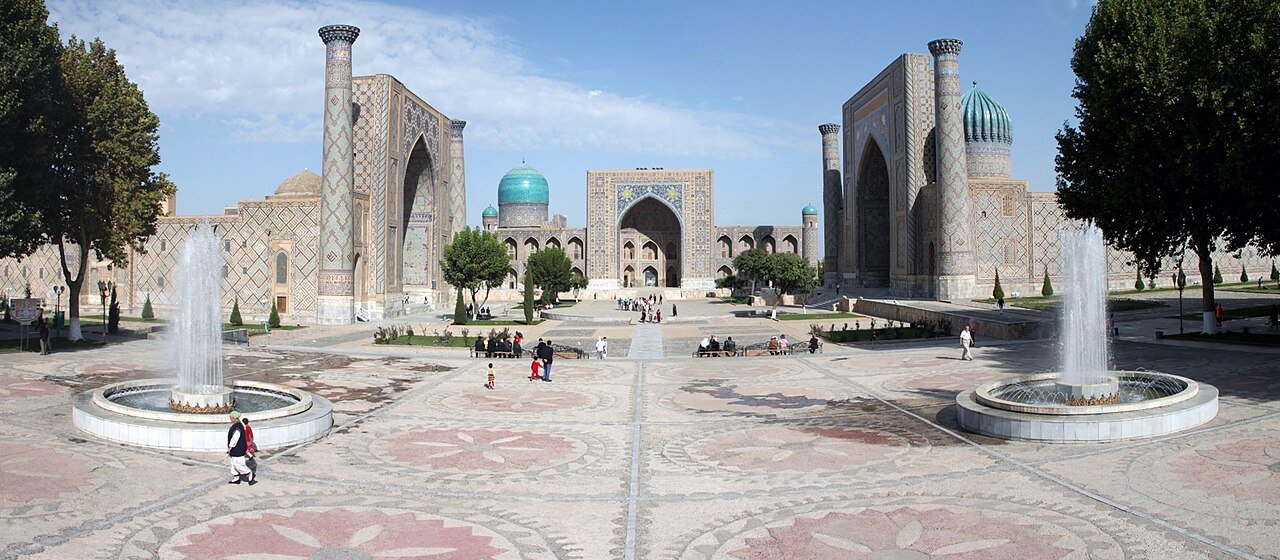
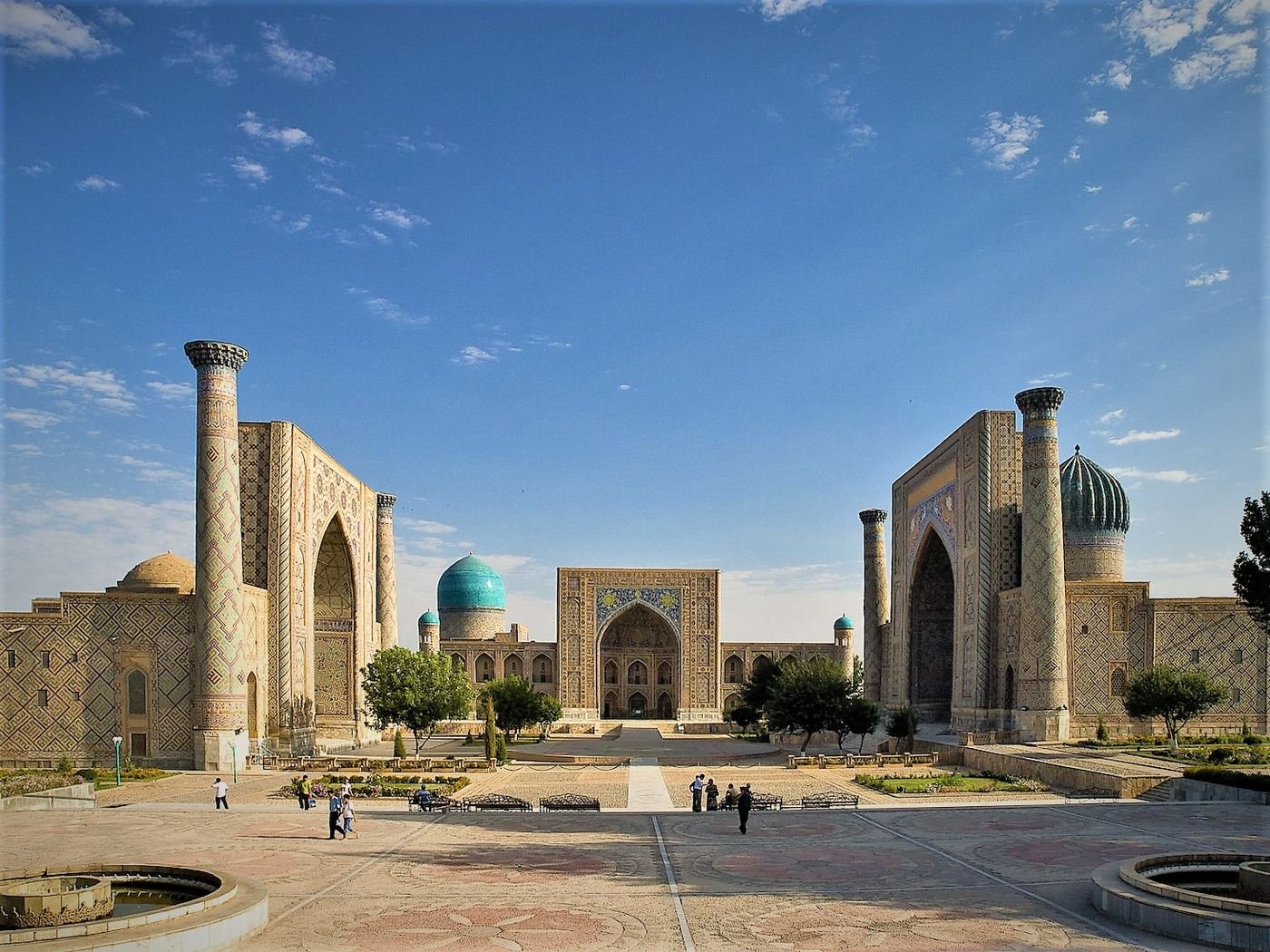
For the budget-conscious traveler, a full meal at Siyob Bazaar or a local restaurant away from the big hotel areas rarely exceeds $5-7, while restaurants near the Registan offer a more refined experience at slightly higher but still reasonable prices by international standards.
One last tip: buy an extra loaf of Samarkand non on your last day of visiting — it's lightweight, travels well, and remains the best tangible gift to carry with you from this ancient city.