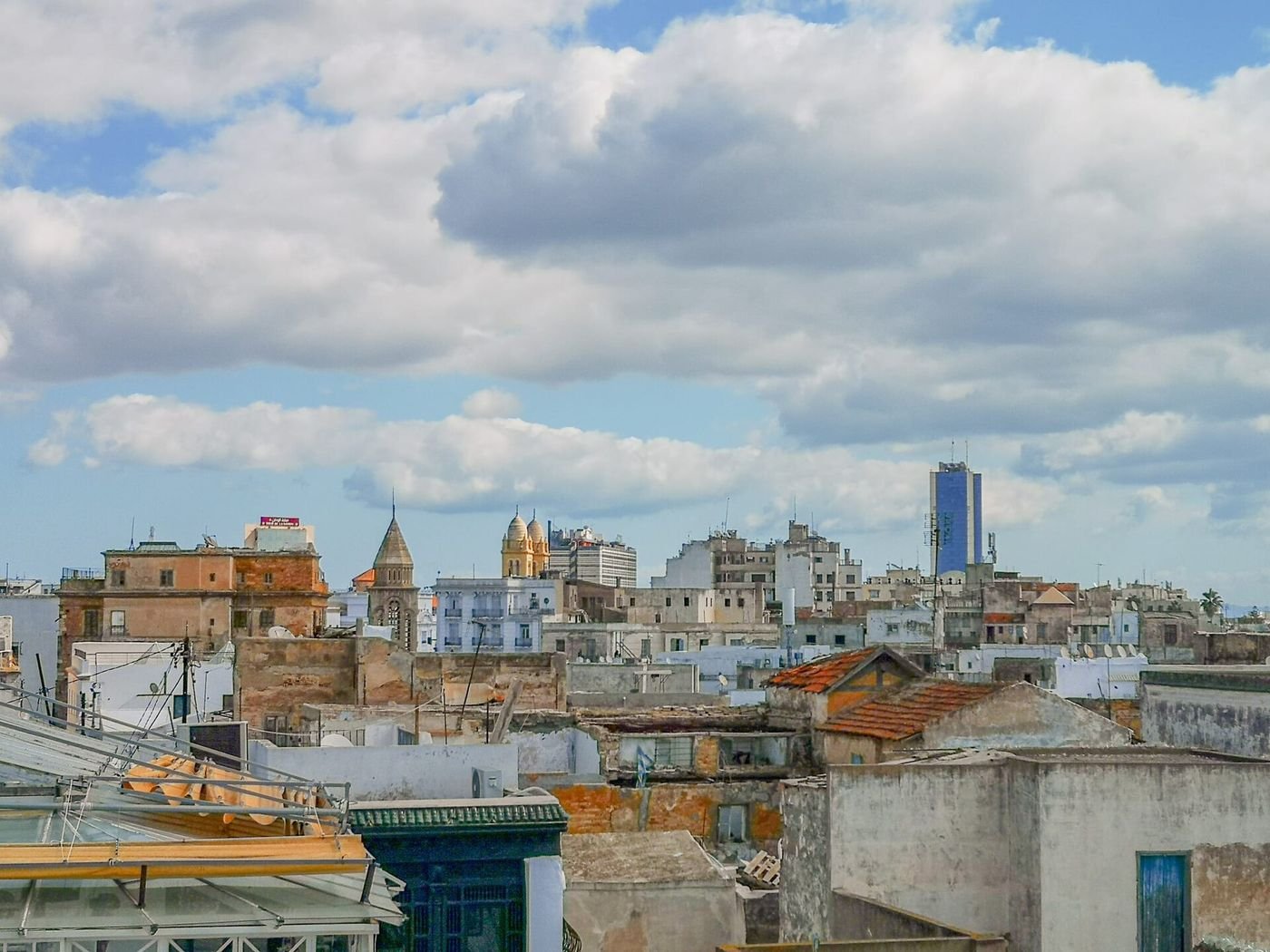
Few sites in the world compress history as densely as Carthage, on the edge of modern Tunis. This guide explains how it grew from a small Phoenician settlement into a naval empire and then a great Roman city, and how to read that history on site today.
The Phoenician founding Phoenician traders from the city of Tyre founded Carthage in the 9th century BCE, on a strategic site overlooking the Mediterranean that controlled trade routes between east and west. Carthage quickly grew into the strongest naval and trading power in the western Mediterranean, with advanced maritime infrastructure including distinctive circular military harbors whose remains are still visible near Byrsa Hill today.
The Punic Wars and Hannibal Carthage collided with a rising Rome in a series of conflicts known as the Punic Wars, spanning 264 to 146 BCE. Their most famous figure is the general Hannibal Barca, who crossed the Alps with his army and elephants in a legendary confrontation with Rome during the Second Punic War. Rome ultimately prevailed, and utterly destroyed Carthage in 146 BCE at the end of the Third Punic War — one of history's most thorough erasures of an ancient city.
Roman rebuilding Nearly a century after its destruction, Julius Caesar re-founded Carthage as a Roman city in 44 BCE. It went on to become one of the most important cities of the Roman Empire in Africa — an administrative, commercial, and religious hub that also saw an early flourishing of Christianity before the region's Islamic conquest.
What you see on site today The Antonine Baths are Carthage's standout Roman monument and the largest Roman baths built outside Rome itself, with towering surviving columns and a complex layout that once included cold, warm, and hot bathing halls. You can also see the remains of the two Punic harbors (commercial and military), the Roman amphitheater of Carthage, and residential Roman villas with partially preserved mosaic floors. The whole site is inscribed as a UNESCO World Heritage Site.
The Bardo Museum: completing the visit To grasp the depth of what's been unearthed at Carthage, don't skip the Bardo National Museum in Tunis, home to the world's largest collection of Roman mosaics — many of its finest pieces lifted from Carthage and its surroundings, depicting mythological scenes and everyday life in striking detail.
Visiting tip The site is spread over a wide area with its sections (Byrsa, the Antonine Baths, the amphitheater) somewhat scattered geographically, so allow at least half a day, and consider a local guide or audio app if you want the full story — the stone remains alone don't tell all the details without context.