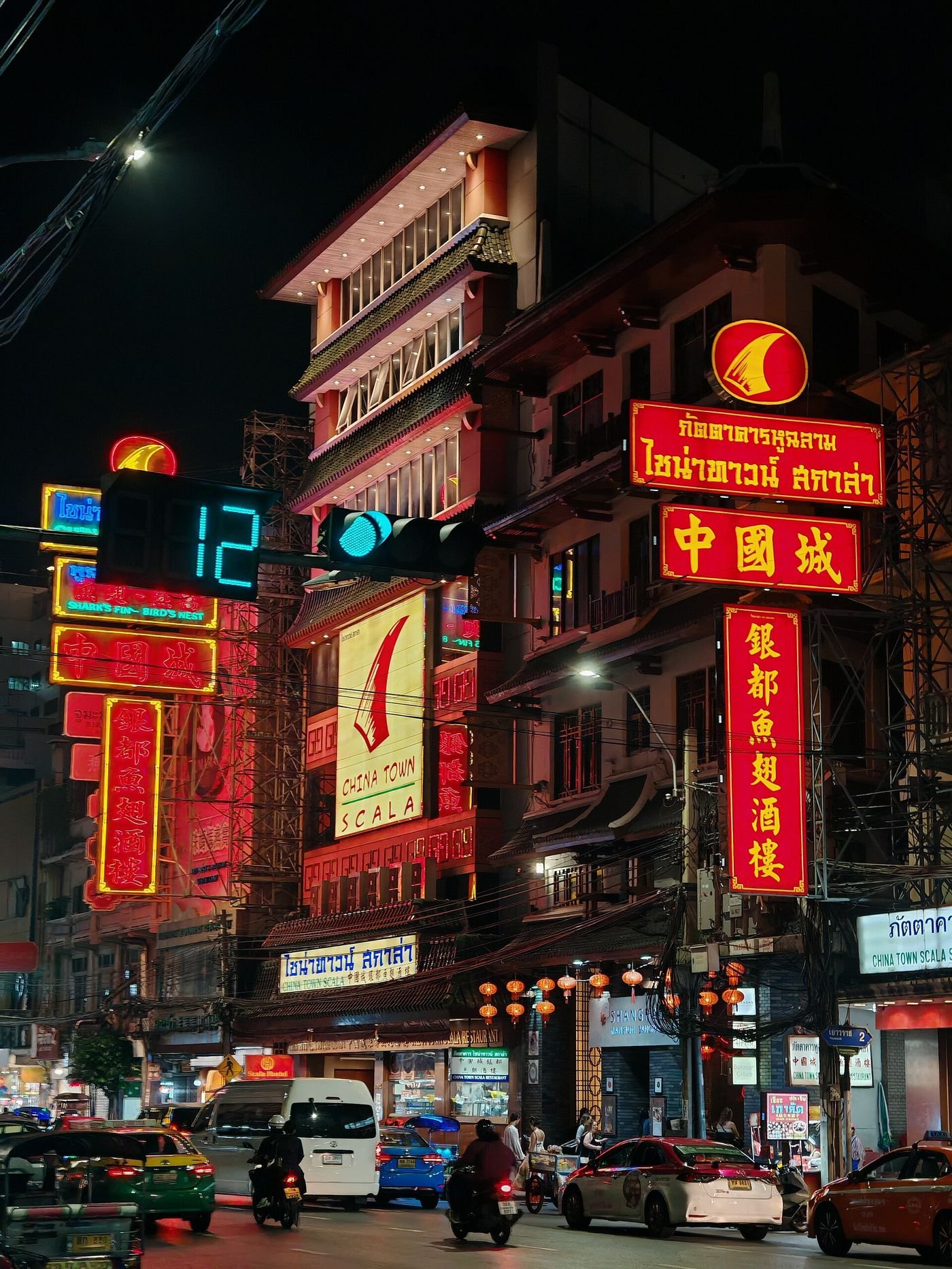
Bangkok rewards travelers who plan ahead. It's a city of striking contrasts — glittering temples next to chaotic markets, ultra-modern skytrains above tangled traffic — and a little preparation saves you an entire wasted day. Here's the practical groundwork every Saudi visitor needs before departure.
Entry and visa: Saudi passport holders currently enjoy visa-free entry to Thailand for up to 60 days for tourism purposes, provided the passport is valid for at least six months from the date of entry. Important caveat: in May 2026, Thailand's Cabinet approved cutting this exemption down to 30 days for Saudi nationals and most other eligible countries. As of this writing, that change has not yet taken legal effect — it still awaits publication in the Royal Gazette, followed by a further 15-day grace period. Because the rule could change at any time, always verify the current allowed stay directly with the Royal Thai Embassy or consulate shortly before booking.
Regardless of stay length, since May 2025 every foreign arrival must complete the Thailand Digital Arrival Card (TDAC) online at tdac.immigration.go.th within 72 hours before arrival. It is not a visa, just a mandatory digital form covering passport, accommodation, and travel details — fill it in a day or two ahead to avoid a queue at the airport.
Best time to visit: November through February is hands-down the best window, with lower heat and humidity, temperatures around 21–32°C, and mostly clear skies — ideal for walking between temples and palaces. From March onward the heat climbs sharply, sometimes past 40°C by April–May, while the rainy season runs roughly May to late October/early November with near-daily afternoon downpours. Note that November–December is also peak tourist season with higher hotel prices, so late January or February often offers a good balance of pleasant weather and better rates.
Currency and exchanging money: The currency is the Thai baht (THB). Cash is still king in local markets and small eateries, even though cards and mobile payments are common in malls. For the best rates, skip the airport exchange counters and head to well-known city exchange chains such as SuperRich (the Green and Orange branches are separate competing companies), and bring large-denomination notes like US$100 bills, which typically fetch better rates than smaller or worn bills.
Getting around: The BTS Skytrain and MRT subway are the fastest, cheapest way to dodge Bangkok's notorious traffic, and their stations cover most major sightseeing areas. For short hops, tuk-tuks are fine once you've agreed on a price upfront; for longer trips, use the Grab app or a metered taxi, and refuse any driver who won't switch on the meter. Be wary of anyone near major landmarks offering a suspiciously cheap "city tour" — this is almost always the setup for the well-known gem-shop scam; there is no such thing as an official government gem sale, whatever a friendly stranger might claim.
Dress and cultural respect: Visiting the Grand Palace or any active temple requires modest dress covering shoulders and knees; sarongs and long trousers are available to rent at the entrance for anyone caught unprepared. Plan around the season, double-check the visa rules right before you book, carry enough cash, and stick to reliable transport — and Bangkok will feel effortless from the moment you land.