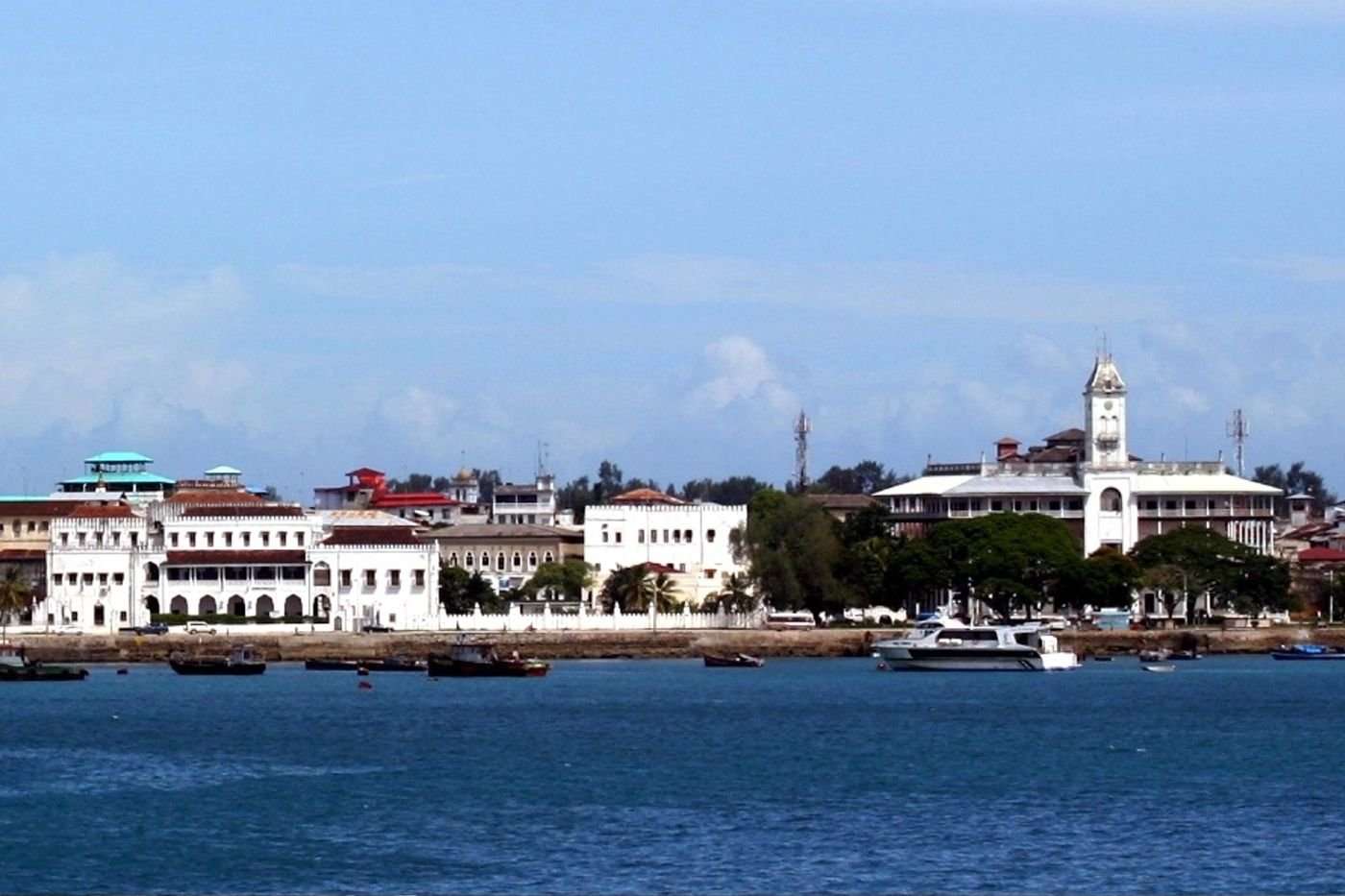
Zanzibar is a small island but remarkably diverse: a historic UNESCO-listed city, fragrant spice farms, and white tropical beaches. Here is a balanced six-day plan.
Days 1-2: Stone Town Stone Town, Zanzibar's historic capital and a UNESCO World Heritage Site, deserves at least two full days. Wander its tangled narrow alleys, admire the distinctive carved wooden doors (a unique Persian-Indian-Swahili blend), and visit the House of Wonders (Beit al-Ajaib), the palace built by Sultan Barghash bin Said in 1883, which was the first building in Zanzibar to get electricity. At sunset, head to Forodhani Gardens on the waterfront, where the area transforms into a lively night food market serving seafood and local sweets at reasonable prices, against a backdrop of traditional wooden dhows.
Day 3: Spice farm tour Zanzibar was historically known as the "Spice Island" for its massive production of cloves, cinnamon, nutmeg, and black pepper. Spice farm tours (usually half a day) walk you through the aromatic trees and plants with direct explanations from local farmers, often ending with a traditional lunch and the chance to buy fresh spices straight from the source.
Days 4-6: Northern and eastern beaches
- Nungwi and Kendwa (north of the island): white sandy beaches with minimal tidal variation that allow swimming most of the day, calm family-friendly waters, and a famous sunset.
- Paje (east coast): a kitesurfing destination thanks to consistent winds, with a more relaxed vibe and fewer giant resorts.
- Mnemba Island: a marine protected area off the northeast coast, ideal for snorkeling and diving with exceptional visibility of coral reefs and sea turtles.
Choose one or at most two base areas rather than constantly moving around — distances between regions can take one to two hours despite the island's relatively small size, due to road conditions.
Final tip: book a sunset dhow sailing tour from Stone Town or Nungwi — a simple experience, but one of the most memorable of the trip.