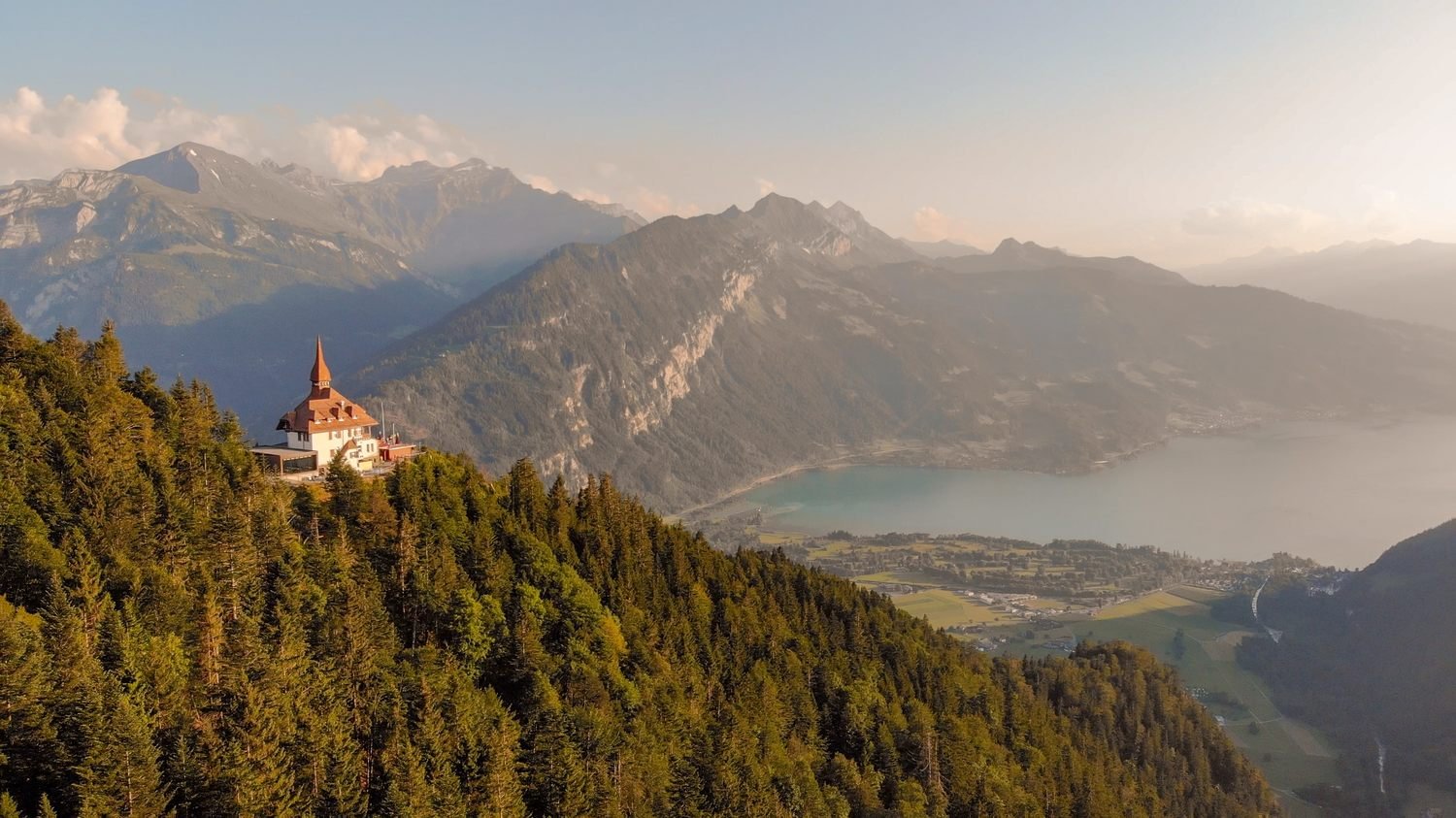
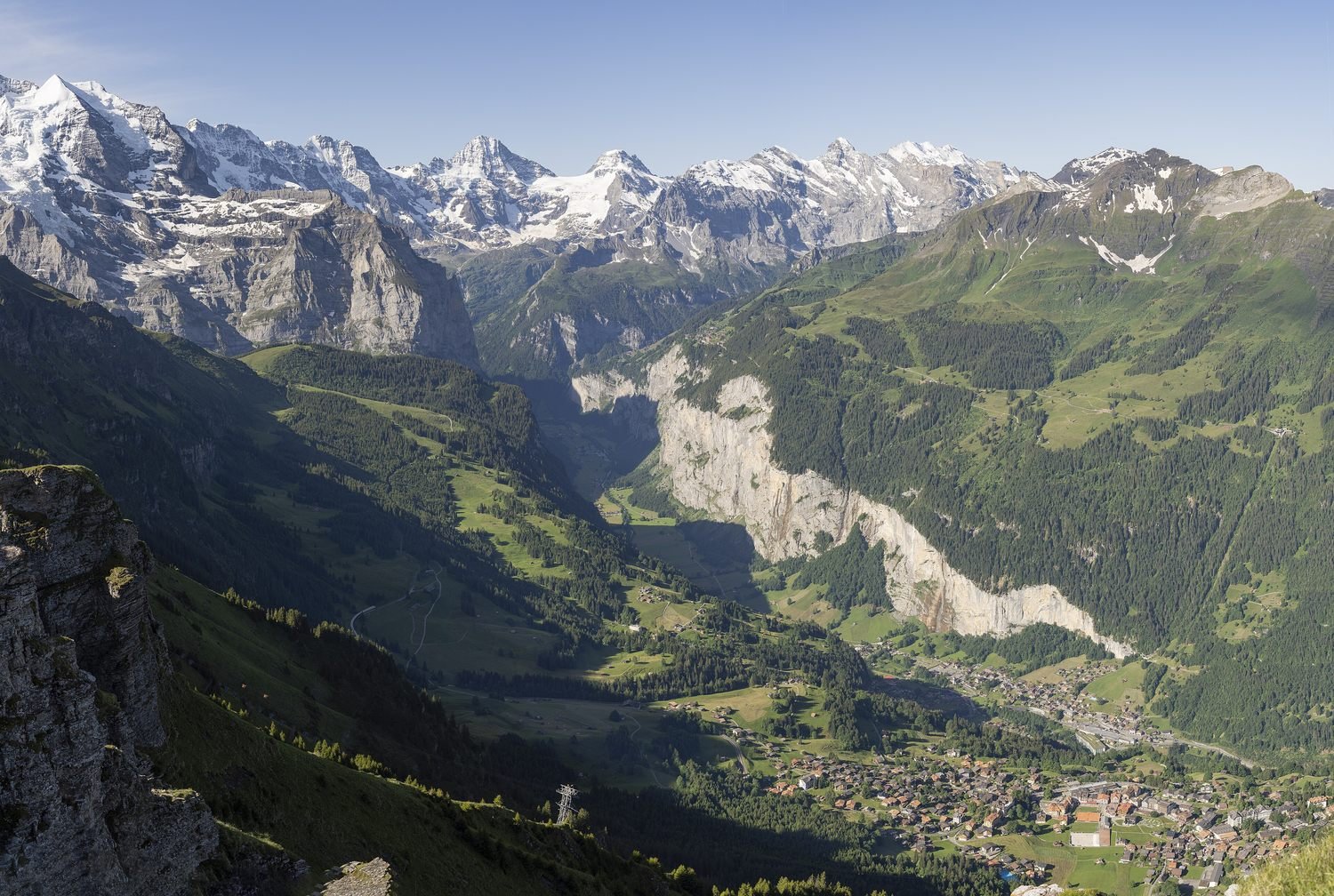
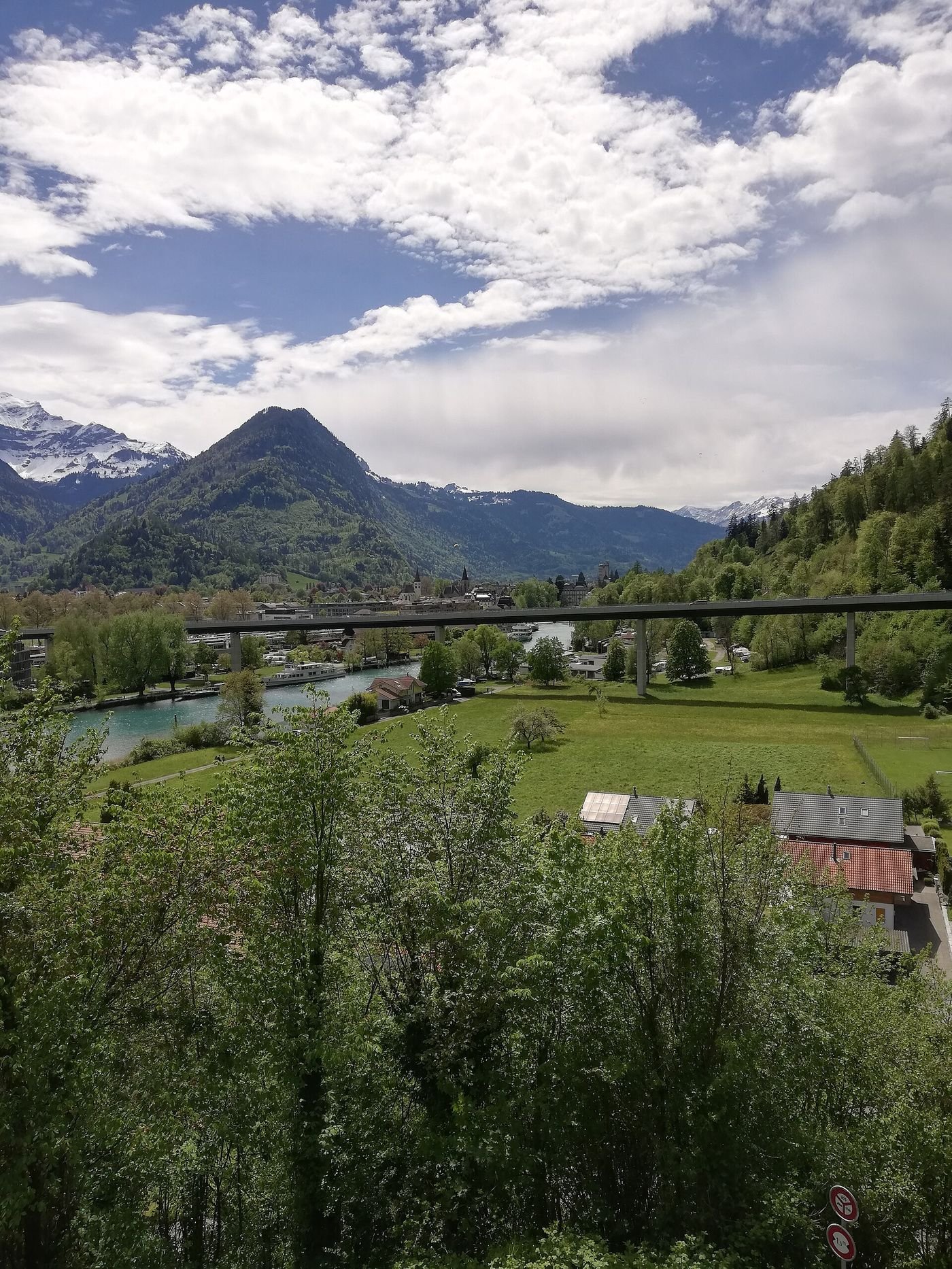
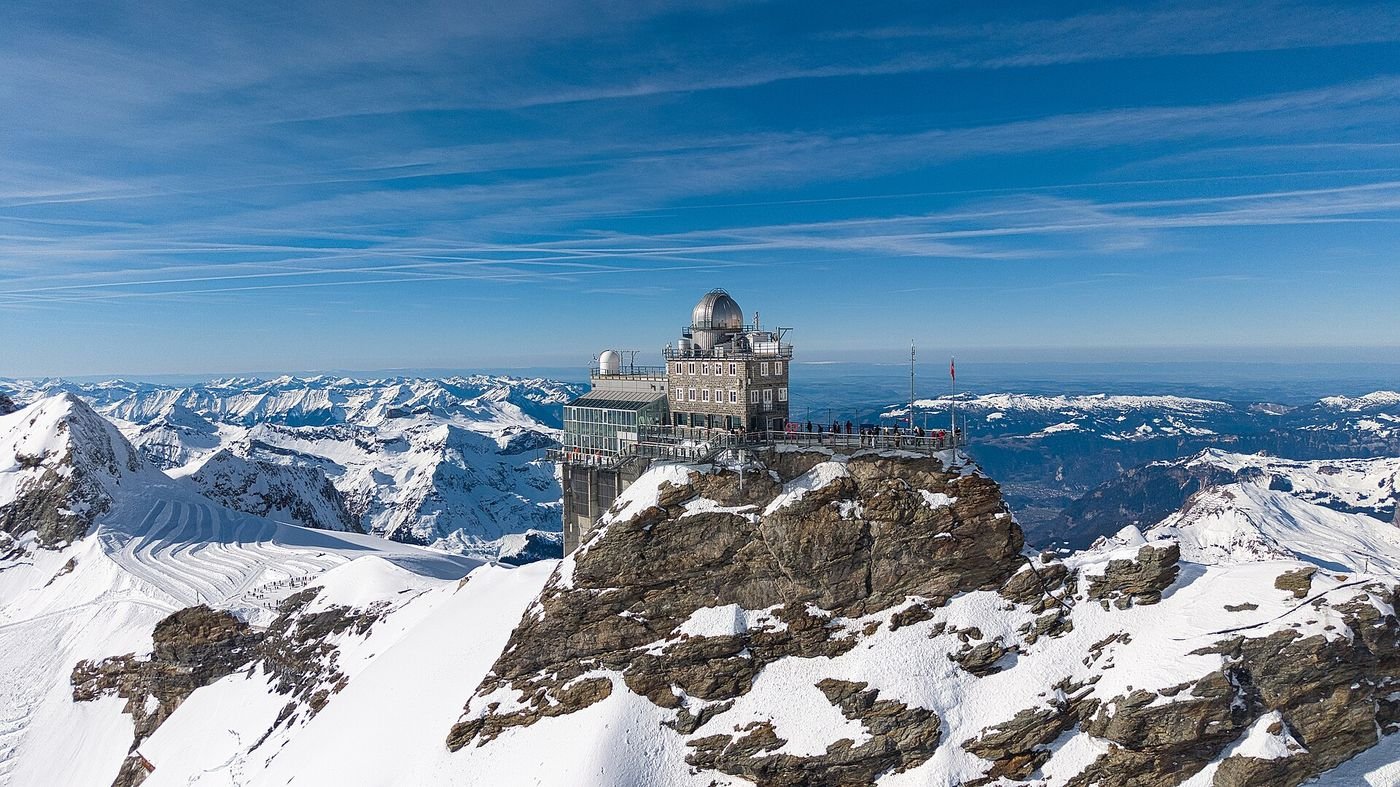
Interlaken, the small town wedged between Lake Thun and Lake Brienz in the heart of Switzerland's Bernese Oberland, has become an almost mandatory stop for Gulf travelers heading to Switzerland, thanks to its proximity to the Jungfrau massif and jaw-dropping alpine scenery. Before booking anything, though, three practical questions need answers: when to go, how to enter, and what it will actually cost.
The visa, first. Switzerland is part of the Schengen Area, so Saudi nationals need a short-stay Type C Schengen visa, allowing stays of up to 90 days within any 180-day period across the entire Schengen zone, not just Switzerland. Your passport must be valid for at least 3 months beyond your planned departure from Schengen, issued within the last 10 years, and have at least two adjacent blank pages. You'll also need travel medical insurance covering at least €30,000, valid across all Schengen countries for the full trip. The official visa fee (since June 2024) is €90 for adults and €45 for children aged 6–11; children under 6 are exempt. Applications from Saudi Arabia are typically submitted through VFS Global centers in Riyadh, Jeddah, or Dammam/Al Khobar, depending on which consulate covers your final Schengen destination. Standard processing takes up to 15 calendar days, but can stretch to 45 days during peak periods — notably around Ramadan, both Eids, the June–September summer season, and year-end school holidays — so apply at least six to eight weeks ahead.
Best time to visit. Summer (June–September) is Interlaken's golden season: mild temperatures (15–25°C), mountain passes and trails fully open, and boats running on both lakes. Winter (December–March) suits skiing in nearby Grindelwald and Wengen, though some summer activities like paragliding scale back. Shoulder seasons — late spring and early autumn — offer a good balance of lower prices and pleasant weather, with slightly higher risk of changeable mountain conditions. Travelers planning a Ramadan trip should factor in Switzerland's long summer daylight hours when timing iftar.
Getting there and around. Interlaken has no international airport of its own; the nearest hubs are Zurich, Geneva, and Bern (the smallest and geographically closest). A direct train from Zurich takes roughly two hours, from Geneva about three and a half hours, on Switzerland's famously punctual rail network. The town has two main stations: Interlaken West (near Lake Thun and the town center) and Interlaken Ost (the gateway to Jungfraujoch and Lake Brienz). If your trip covers multiple Swiss cities, the Swiss Travel Pass is well worth it — it covers trains, buses, and boats, and gives a 25% discount on the Jungfraujoch ticket.
Budget. Switzerland is one of Europe's most expensive destinations — roughly twice the cost of France, Germany, or Italy. Budget travelers should plan for CHF 120–200 a day (roughly SAR 550–920, since 1 CHF is worth about SAR 4.6, though rates fluctuate), while mid-range travelers should budget CHF 250–350 daily. A restaurant meal in a tourist area can easily exceed CHF 30 per plate, so many visitors mix one restaurant meal a day with supermarket picnics from Coop or Migros, cutting overall costs by up to 40%.
With the visa sorted, the right season chosen, and transport mapped out, Interlaken becomes a destination you can enjoy without financial or logistical surprises.