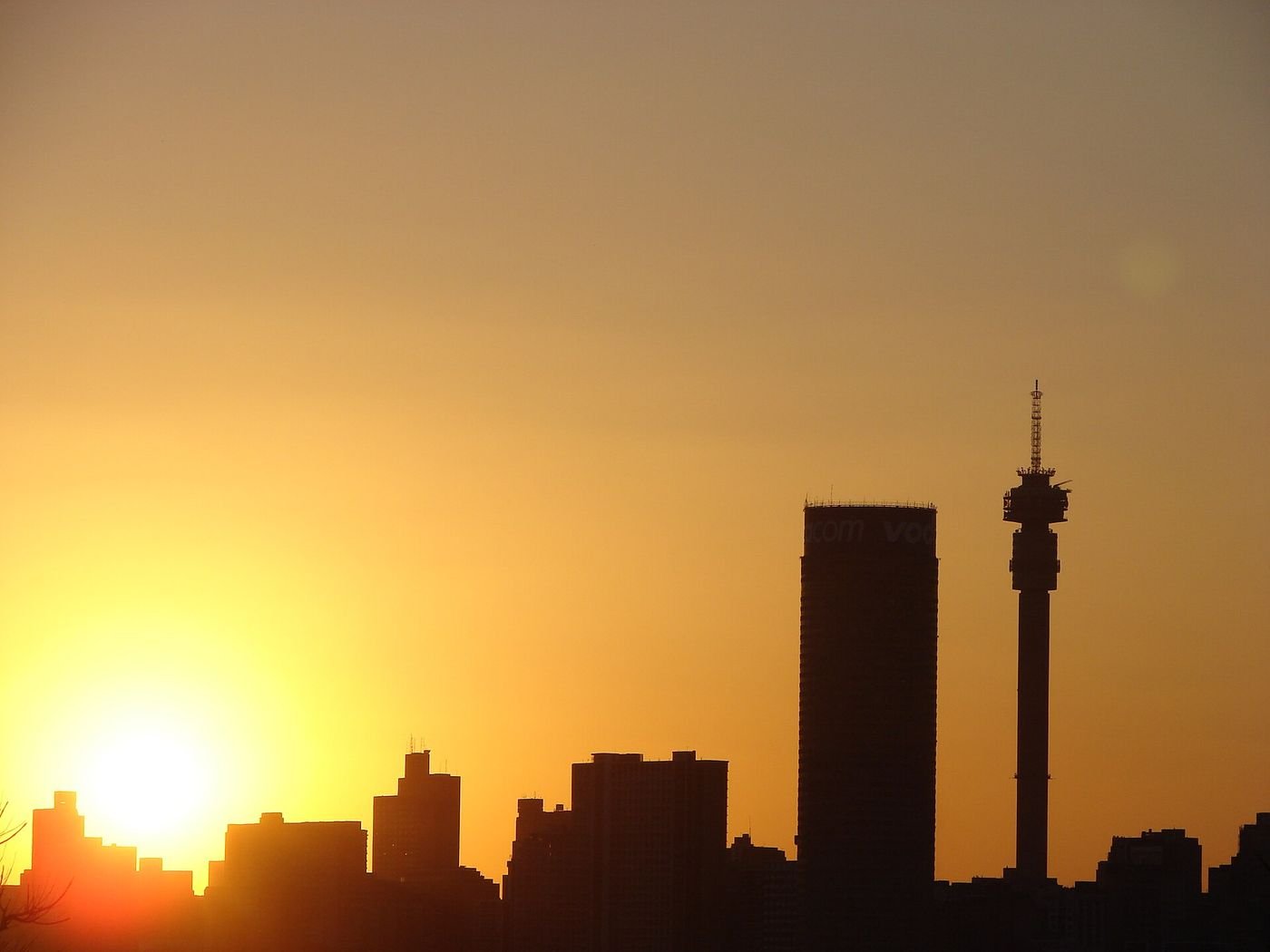
Why three days is enough for Johannesburg
Johannesburg isn't a "sightseeing" city in the traditional sense so much as a city where the entire story of modern South Africa is told: from the gold discovery that built the city, through the apartheid system that shaped it, to the reconciliation led by Nelson Mandela. Three days is enough to cover the most important chapters without exhaustion, while keeping the safety awareness that should govern any movement around the city, especially in historic neighborhoods, firmly in mind.
Day one: the Apartheid Museum
Set aside a full day for this museum alone; don't try to combine it with other activities, because it deserves real time and reflection. When you buy your ticket, visitors are randomly assigned to one of two entrances labeled "white" and "non-white," exactly as happened under apartheid — a powerful opening experience that drops you straight into the context. The museum typically takes 3-4 hours of unhurried walking through photographs, testimonies, and documents covering the period from early colonization to the first free elections in 1994. It sits inside the Gold Reef City complex and has secure, monitored parking, so it's best to arrive by taxi or Uber directly to its gate rather than walking from a nearby area.
Day two: Soweto — living history
Soweto (short for South Western Townships) is South Africa's largest township and was the heart of the anti-apartheid struggle, the birthplace of Nelson Mandela and Desmond Tutu's neighborhood. The correct and safe way to visit is through an organized tour with a certified local guide (easily arranged through reputable tour operators or your hotel), not on your own on foot or in a rental car. A typical tour includes: the famous Vilakazi Street (the only street in the world where two Nobel Peace Prize laureates lived close to each other), the Hector Pieterson Museum, which documents the 1976 Soweto Uprising when peacefully protesting students were killed, and Mandela's former house, now a small museum. Many visitors describe these tours as completely safe when done with a guide, and they rank among the most moving experiences of the whole trip.
Day three: Gold Reef City — entertainment above a gold history
After two historically intense days, dedicate day three to Gold Reef City, a theme park built literally above one of the old gold mines that founded the city's fortune. The highlight is an actual guided descent 75 meters underground into the old mine shaft to see how gold was extracted and hear miners' stories. Afterward, enjoy rides suitable for various ages within the park itself. The site is fenced and well-monitored as a closed tourist complex, making it a comfortable choice for the final day.
Safety and practical notes for the whole itinerary
The golden rule in Johannesburg: don't wander on foot through neighborhoods you don't know, especially the old inner-city CBD and the parts of Soweto outside the usual tourist routes. Book all tours in advance with reputable companies, ask your hotel to arrange a car or Uber for every movement, and don't carry large amounts of cash or conspicuous jewelry. With these simple precautions, this three-day itinerary becomes one of the most profound cultural and historical experiences an Arab visitor can have in Africa.
Where to stay
Most visitors prefer staying in Sandton or Rosebank, both modern, relatively safe areas close to restaurants and malls, with easy access to pickup points for organized tours. Avoid staying in the old inner-city CBD unless it's a major hotel known for strict security measures.