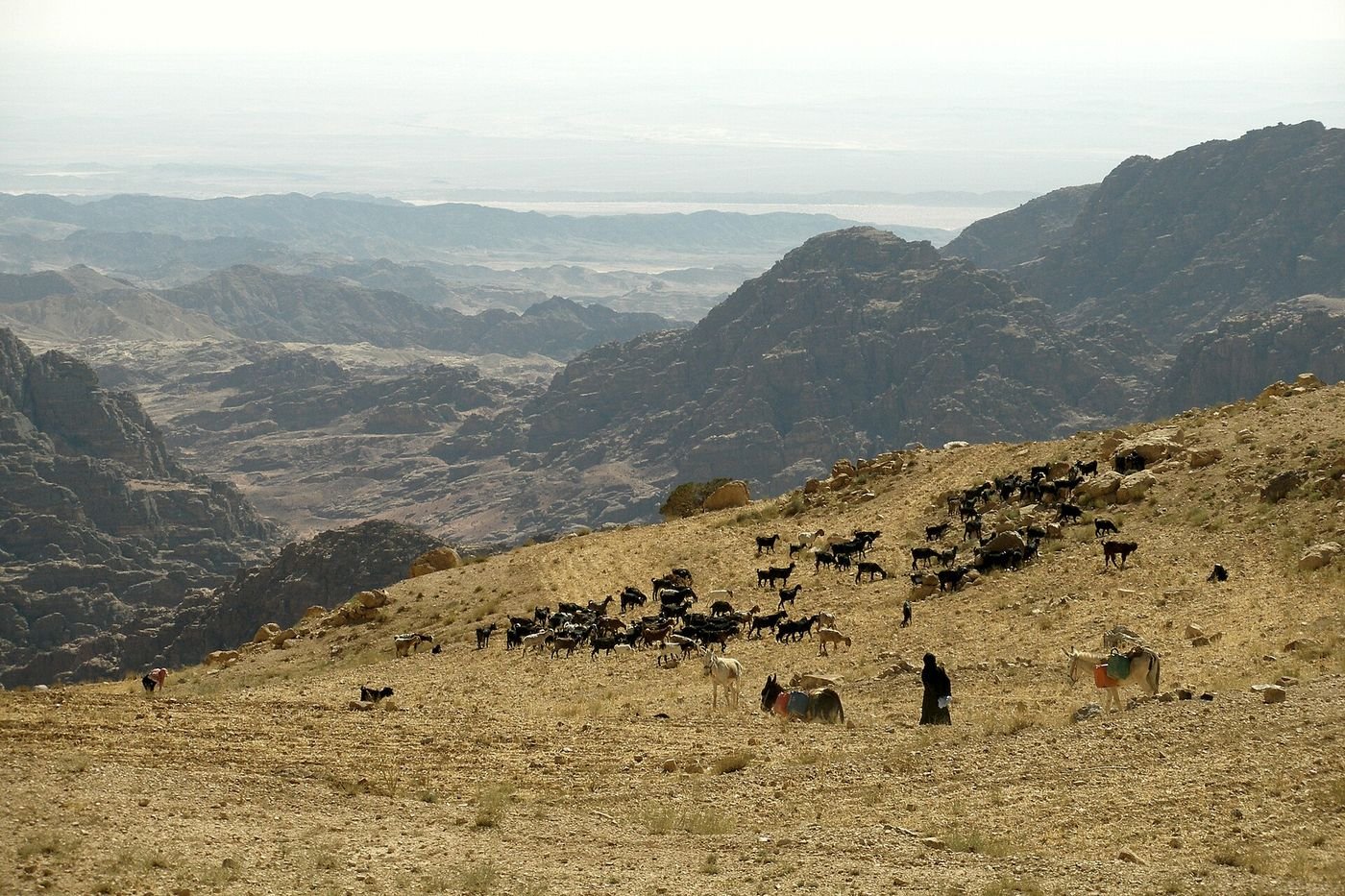
Petra isn't a one-hour photo stop — it's an entire city carved into rock that genuinely rewards planning, especially around tickets and timing. Here's the practical breakdown that saves you surprises at the gate.
Start with pricing. As of 2026, entry cost depends on your visitor category. If you're staying at least one night in Jordan, a one-day ticket is 50 Jordanian Dinars (JOD), two days 55 JOD, three days 60 JOD — and the multi-day option is genuinely the smarter choice, since Petra is far too large to see properly in a single visit. If you're entering Jordan for a single day without an overnight stay (crossing from Eilat, for example), the fee jumps to 90 JOD. Children under 12 enter free. At an exchange rate of roughly 5.3 Saudi Riyals per JOD (rates shift slightly, so check the live rate before you travel), a one-day ticket runs around 265 SAR.
If you're combining Petra with other Jordanian sites (Amman Citadel, Jerash, the Dead Sea), look at the Jordan Pass. The "Wanderer" tier (70 JOD) includes a one-day Petra ticket plus 40+ other attractions; the "Explorer/Expert" tier (80 JOD) upgrades Petra access to three days. The pass's biggest perk is that buying it before arrival and staying three or more nights waives Jordan's visa fee entirely — though this mostly benefits non-GCC travelers, since Saudi and other Gulf nationals already enter Jordan visa-free for tourism.
On hours: Petra opens daily at 6:00 AM and closes to new entries at 6:00 PM in summer, 4:00 PM in winter. Arrive as early as possible — ideally before 7 AM — for two reasons: you'll beat the crowds at the Treasury, and you'll catch the soft golden light on the rose-colored facade before the midday sun flattens the colors.
The best overall time to visit is spring (March–May) or autumn (September–November), when temperatures sit comfortably between 18–29°C and skies stay mostly clear. Summer (June–August) turns brutal in Petra's exposed valley, with midday highs of 34–37°C and almost no rain, so plan a dawn start and a midday break in the shade if you're visiting then. Winter (December–February) is genuinely cold — nighttime temperatures can dip below freezing at Petra's 900-meter elevation — and heavy rain occasionally triggers flash floods inside the narrow Siq canyon leading to the Treasury, sometimes forcing a temporary closure. Check the local forecast the day before if you're visiting in winter.
One last tip: the Petra Visitor Centre in Wadi Musa is the only entry point, so plan to pass through it regardless of where you're staying, and carry enough Jordanian Dinars in cash, since not every payment point inside the site reliably accepts cards.