Venice looks and feels genuinely different from one season to the next — not just in temperature, but in how many people you're sharing a bridge with and whether you can get a clean photo of the Rialto. Here's the full picture before you book.
Spring (March-May): often the smartest pick
Temperatures climb steadily from March through May, settling between 15-25°C — perfect for wandering narrow calli and standing on bridges without breaking a sweat. May itself sees the season's heaviest rainfall, so pack a light umbrella. Late April into early May hits a sweet spot: pleasant weather before the crowds peak.
Summer (June-August): beautiful but hot and packed
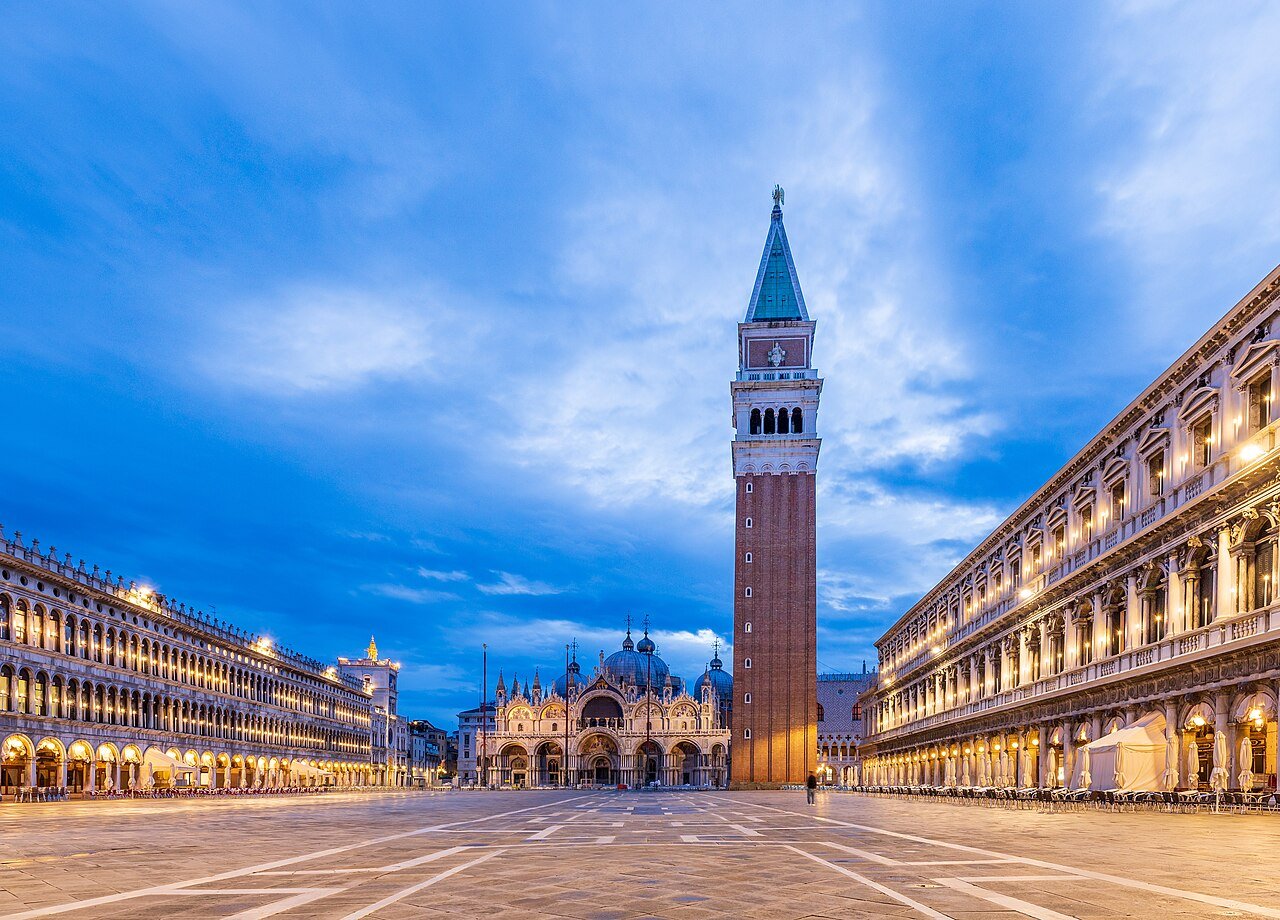
July and August push toward 28°C, and combined with humidity off the surrounding lagoon, midday walking gets genuinely draining. More importantly, these are peak tourist months — expect long lines at St Mark's Basilica and the Doge's Palace, and higher hotel prices. If summer is your only window, front-load sightseeing to early morning or after 4pm.
Autumn (September-November): a favorite among repeat visitors
September is widely considered one of Venice's most pleasant months, with temperatures between 19-25°C, limited rain, and plenty of sunny days, alongside noticeably thinner crowds than summer. The catch: from late September through January, the chance of "acqua alta" (high water) starts rising, peaking typically in November and December, when tides can briefly flood St Mark's Square and low walkways for a few hours around high tide.
Winter (December-February): cold, damp, but quiet and atmospheric
Night temperatures drop toward 0°C in January, and the humidity makes the cold feel sharper than the numbers suggest. In exchange, this is when you'll see Venice at its emptiest, hotel prices drop noticeably, and the Carnival of Venice (usually in February) brings a completely different, festive character.
On acqua alta specifically
High water is most common between October and January, while summer flooding is almost unheard of. The good news: the MOSE mobile flood barriers, now operational, have significantly cut both the frequency and severity of flooding compared to previous decades — but it remains a real possibility in the colder months. If you're traveling between November and February, pack waterproof shoes or the tall rubber acqua alta boots sold locally, and check the official "Hi!Tide Venice" app for tide forecasts.
The practical takeaway
For the best balance of weather, crowds, and cost, aim for late April, early May, or September into early October. If you don't mind the cold and want rock-bottom prices, January and February (skip Carnival week) give you a Venice nearly free of crowds.