Ethiopian cuisine is one of Africa's most distinctive, and genuinely worth exploring during your Addis Ababa trip — but a bit of prior knowledge helps it suit a Gulf traveler's taste and requirements.
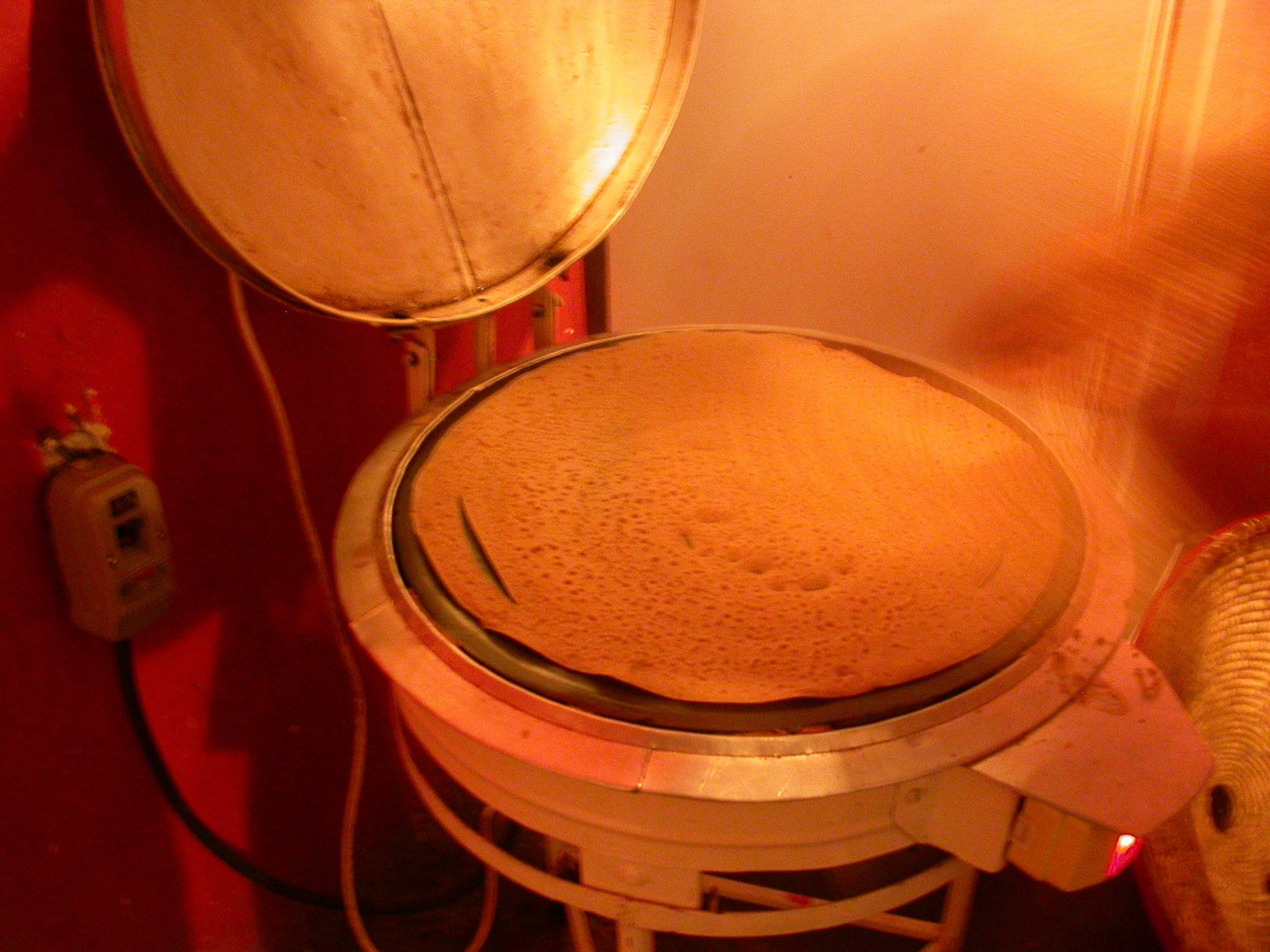
Injera: the base of every meal: Injera is a thin, spongy bread made from local teff grain, fermented for several days to develop its distinctive sour flavor, served as a base topped with various dishes and eaten by hand. The most common accompaniments are doro wat (spicy chicken stew with berbere pepper), shiro (ground chickpea or lentil stew, the most widespread vegetarian option), and tibs (sautéed meat with vegetables). These three are generally safe from a thorough-cooking standpoint.
Watch out for: kitfo: One of Ethiopia's most famous dishes is kitfo — raw or lightly cooked minced beef seasoned with spiced butter and chili, a beloved local staple but not ideal for anyone who prefers well-done meat or is cautious about raw beef. If you want to try it, ask for "leb leb" (lightly cooked), or skip it entirely and order the fully cooked alternative.
Where to find reliable halal food: Addis Ababa has well-known halal restaurants tested by Muslim travelers, most notably: Al Wadi, serving halal Yemeni, Middle Eastern, and Ethiopian food under Muslim ownership; Nebil Halal Restaurant in the Tsinat Building in the Bole area; Bait Al Mandi, a Yemeni restaurant known for authentic mandi dishes; and Hasna Muslim Restaurant on Arbeynoch Street, operating nearly around the clock. Yemeni and Middle Eastern cuisine is strongly present in Addis Ababa thanks to the large Muslim community, making it a safe and excellent choice for anyone who wants certainty about halal status.
The Ethiopian coffee ceremony (buna): Ethiopia is the legendary birthplace of coffee, according to the famous local story of the goat herder Kaldi, and the coffee ceremony (buna) is a cultural experience not to miss: beans are roasted in front of you, ground by hand, brewed in a traditional clay pot (jebena), and served in three successive rounds, sometimes with incense burning alongside. You'll find it at most cafes and traditional restaurants, and even some tourist-oriented shops.
A note on alcohol: Tej, traditional honey wine, and local beer are widely present in restaurants and Ethiopian celebrations, so expect to see them on menus or at public events. Simply order your own drink (fresh juice, tea, coffee) without hesitation — non-alcoholic options are always available.
Orthodox fasting days: Since most Ethiopians are Orthodox Christians who abstain from meat and dairy on specific days (every Wednesday and Friday, plus longer fasting periods), you'll find fully vegetarian menus on these days (called "Yetsom Beyaynetu") — an excellent opportunity to try a variety of flavorful vegetarian dishes without worrying about meat ingredients.
Practical tip: At non-halal-specialized restaurants, simply ask clearly "Is this halal?" or find an English-speaking staff member — halal awareness is widespread thanks to the Muslim community, but it isn't a given everywhere by default.