

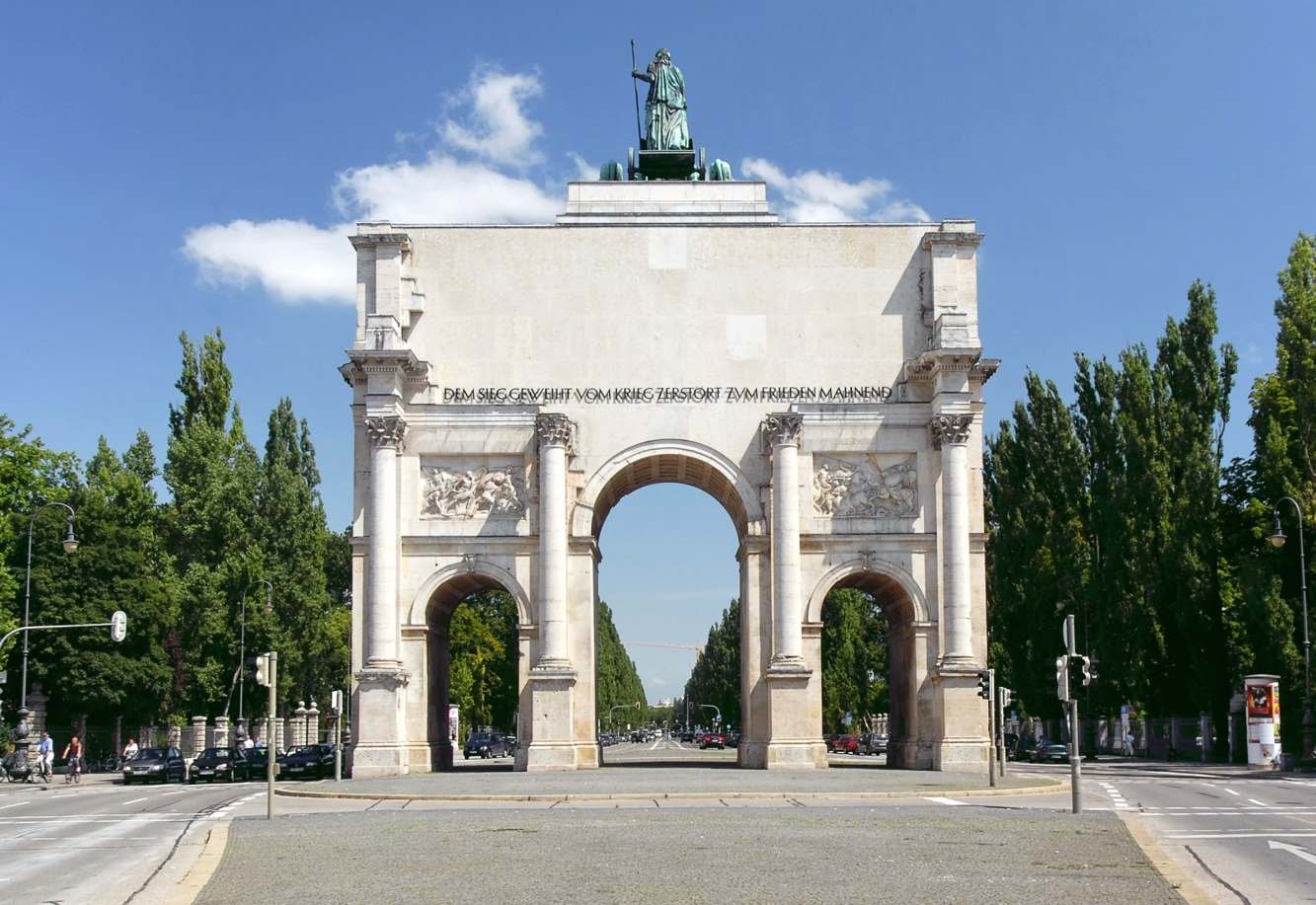
Munich isn't a city with just one center - it's a collection of districts, each with its own character. Knowing the differences between them helps you pick where to stay, or even plan your evenings better. Here are four districts worth getting to know.
Schwabing: intellectual elegance At the turn of the 20th century, artists and writers settled here and shaped the district's spirit, from Wassily Kandinsky to Thomas Mann and Rainer Maria Rilke, and even Lenin lived here for a time. That cultural history is still felt in the district's Art Nouveau architecture and its elegant boulevards, including the famous Leopoldstraße. Today's Schwabing is a "polished" district with slightly above-average prices, but in exchange it offers excellent infrastructure and proximity to the university and the English Garden. It suits anyone wanting an elegant, quiet stay close to everything, without being right in the thick of tourist crowds.
Glockenbachviertel: the district that doesn't sleep early Around Gärtnerplatz, the Glockenbachviertel district lives a double life: calm by day with its cafés and independent shops, and lively after sunset with bars and nightspots that fill up with locals before tourists. The square itself is a flower-filled space surrounded by modern cafés and shops selling independent labels, away from the big commercial chains. The district is also known for its open, welcoming atmosphere toward the LGBTQ+ community, making it an excellent choice for anyone wanting to stay close to the city's real nightlife rather than a touristy version of it.
Maxvorstadt: museum and student territory If your visit revolves around museums, Maxvorstadt is the district closest, both geographically and in spirit, to that purpose - here universities and cultural landmarks meet small cafés, bars, and colorful shops. Rents are relatively lower than in Schwabing, which draws students and young professionals, and its central location makes it very practical for anyone wanting a base close to everything without Schwabing or Maximilianstraße-level prices.
Haidhausen: the village within the city Haidhausen has transformed from a working-class district into a desirable residential area, but it has kept its quiet character: narrow lanes, small shops, and green inner courtyards that give you the feeling of being in a small Bavarian village in the middle of the city. This district is quieter than the previous three and is close to the Deutsches Museum, making it a good choice for families or anyone who prefers staying relatively away from the noise without actually being far from the center.
Which one should you choose? If you're after elegance and relative quiet, Schwabing is your pick. If you want real nightlife and a youthful atmosphere, Glockenbachviertel is the place. If museums and culture are your priority on a reasonable budget, Maxvorstadt serves you best. And if you're traveling with family and prefer quiet and green space, Haidhausen gives you that without sacrificing proximity to the center. There's no single "best" district - only the one that best fits the kind of trip you're planning.
💬 Comments
No comments yet — be the first to share your experience!