

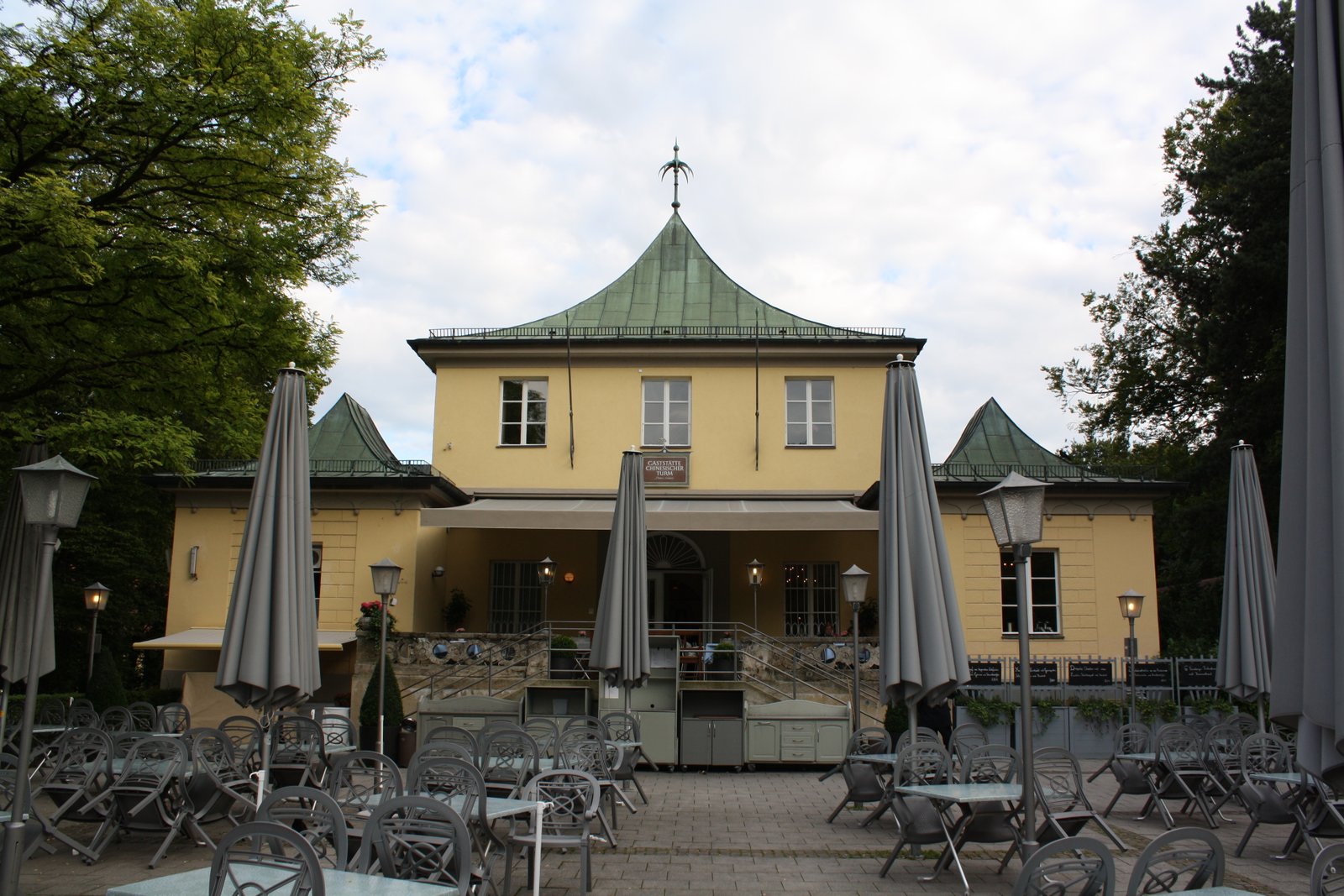
Munich's food scene can't be reduced to just "sausages and beer," but the two certainly sit at the heart of any real eating experience in the city. Here's a quick guide to what to try, how to behave in a beer garden, and where to find reliable halal options.
Dishes worth trying Weisswurst is a white Bavarian sausage made from minced veal and pork bacon, flavored with onion, ginger, lemon, parsley, and cardamom. The famous traditional rule says it "should not hear the noon bell chime" - meaning it's a late-breakfast dish, not lunch or dinner, traditionally served with sweet mustard, a fresh pretzel, and a glass of wheat beer (Weissbier), a trio locally known for their perfect harmony. Schweinshaxe, meanwhile, is a slow-roasted pork knuckle until the skin turns crispy and the meat tender, usually served with potato dumplings (Kartoffelknödel) - a staple on the menus of Oktoberfest restaurants and traditional taverns. An important note for anyone who doesn't eat pork: both dishes above contain pork, so they're not an option for every visitor - but that doesn't mean Munich has nothing else to offer, as you'll see below.
The unwritten rules of the beer garden Beer gardens (Biergarten) have been an authentic part of Bavarian culture since the 19th century, when breweries dug cellars under the shade of chestnut trees to keep beer cool, and that same shade later became seating areas. The key distinction to know: tables with a tablecloth are a full-service zone where you order from a waiter and cannot bring your own food, while the bare wooden tables in the "self-service" section mean you order food and drinks directly at the counter - and it's only here that bringing your own outside food is traditionally allowed, as long as you buy your drinks from the garden itself. Avoid sitting at "Stammtisch" tables reserved for local regulars, since they're customarily off-limits even if they look empty.
What if you don't drink alcohol? This is a very common question among Gulf visitors, and the answer is reassuring: almost every beer garden serves Apfelschorle (apple juice mixed with sparkling water) and Spezi (a mix of cola and orange soda), both very common choices seen just as often on neighboring tables as beer itself. Munich also opened its first entirely alcohol-free beer garden, called "Null," serving non-alcoholic beer and a variety of cold drinks - a sign that the culture of sitting together outdoors isn't necessarily tied to alcohol itself so much as to the friendly "Gemütlichkeit" atmosphere.
Where to find reliable halal food Munich has a large Muslim, Turkish, and Middle Eastern community, and that's reflected in its restaurant map. Names that repeatedly come up in visitor reviews include Shandiz, a Persian restaurant known for traditional dishes like stuffed vine leaves and grilled eggplant; Make Falafel Not War on Kapuzinerstraße, specializing in Palestinian falafel, hummus, and mutabbal; an upscale Turkish restaurant on Leopoldstraße in the Schwabing district serving kebabs and pide; and a fully halal burger spot on Heßstraße - meat, sauces, and bread all included. Munich Airport itself has a dedicated Muslim prayer room in Terminal 1, a useful practical detail for anyone wanting to pray right after arrival or before departure.
One last tip Always check the halal status before ordering - some places are "partially halal" (serving halal meat but with alcohol on the menu or a shared kitchen), and if you want to be precise, ask the waiter directly or look for a visible halal certificate at the entrance. Eating in Munich is an experience you can enjoy fully without compromising on what you do or don't want to eat - you just need to know where to look.
💬 Comments
No comments yet — be the first to share your experience!