

Many travelers treat travel insurance as a box-ticking exercise, especially now that it's mandatory for visas like Schengen. But choosing the right policy can save you tens of thousands of riyals if a medical emergency strikes abroad. Here's how to choose wisely.
1. Check the Medical Coverage Limit
Medical treatment abroad, especially in Western Europe and North America, can be extraordinarily expensive compared to Saudi Arabia. For Schengen trips, the legal minimum coverage is €30,000, but that figure is thin for a major emergency. International insurance experts recommend medical coverage of at least $100,000 for trips to countries with high treatment costs, such as the United States, Japan, or Australia.
2. Don't Overlook Medical Evacuation Coverage
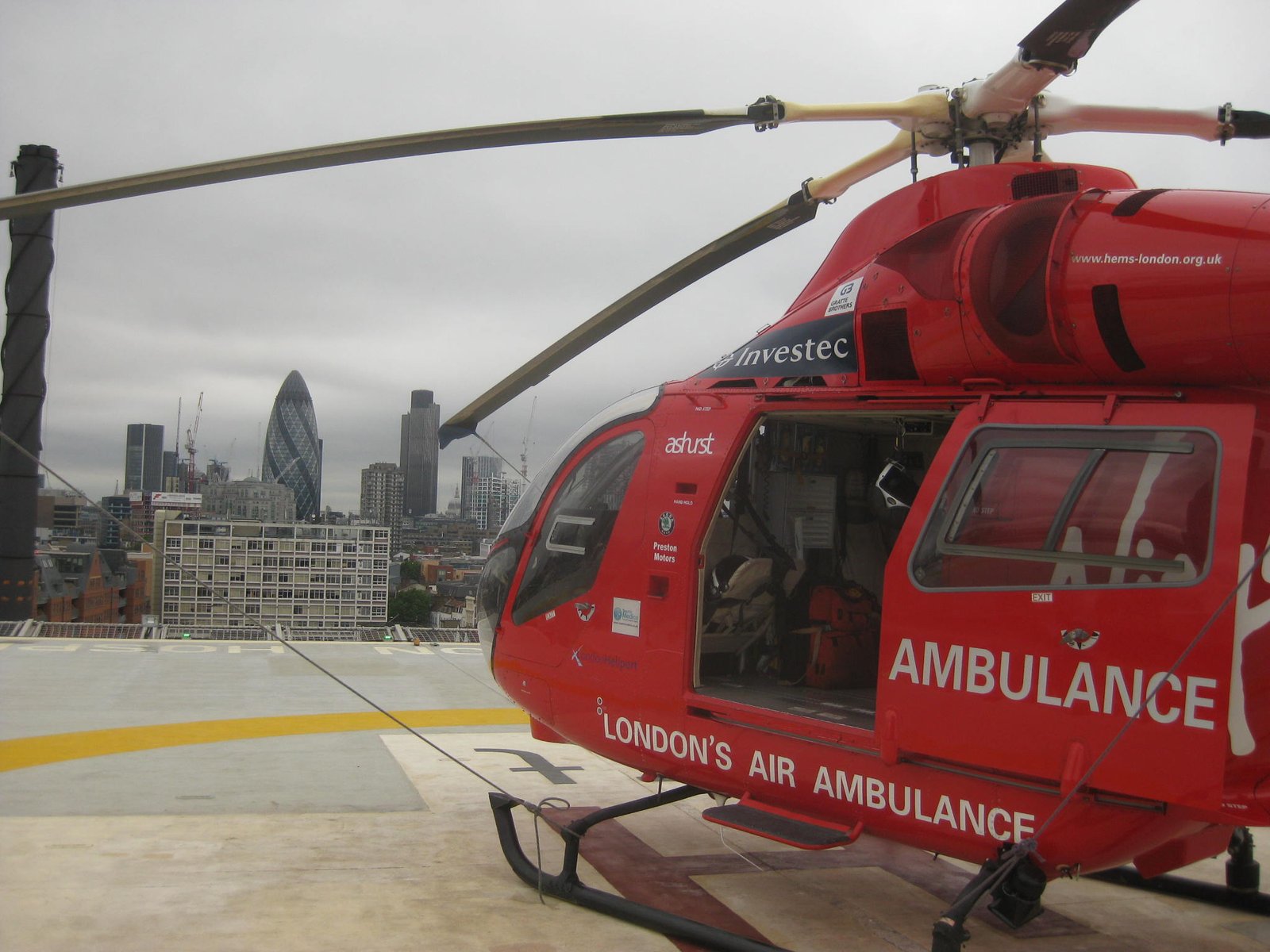
This is often ignored, but it's arguably the most important benefit. Emergency medical evacuation — transporting a patient via a medically equipped aircraft to the nearest suitable hospital or back home — can cost between $25,000 and $250,000 depending on location and distance, especially in remote areas like mountains or islands. Make sure your policy covers at least $200,000 for this specific benefit, ideally with a 24-hour assistance line backed by physicians.
3. Read the Exclusions Carefully
Every policy has exclusions: chronic or "pre-existing" conditions are usually not covered unless a policy explicitly includes them, and adventure activities like skiing, diving, or mountain sports may require an add-on. If your trip includes winter sports or high-altitude hiking, check this clause before buying.
4. Check How Claims Are Paid
The best insurers offer direct billing with hospitals, meaning you don't have to pay large sums out of pocket and then claim reimbursement later. Ask directly: can the hospital bill the insurer directly to cover costs?
5. Don't Forget the Extras
Good policies also include trip cancellation or curtailment compensation, baggage delay or loss compensation, personal liability coverage for damage you might cause to others, and sometimes cancellation coverage for natural disasters or political events. Review these based on your trip's nature and length.
6. Local vs. International Providers
Saudi insurers such as Tawuniya, Bupa Arabia, and Walaa offer international travel policies at competitive prices with easy Arabic-language service, while global names like Allianz and AXA Schengen offer a broader worldwide hospital network and deeper experience handling complex emergencies. For short European trips, a local Schengen-compliant policy is often sufficient; for longer or multi-destination trips, a global insurer may be the safer choice.
7. Budget the Real Cost
As a rule of thumb, a comprehensive travel insurance policy costs between 4% and 10% of your total trip cost. That may sound like an extra expense, but it's tiny compared to the cost of an uninsured emergency hospitalization or medical evacuation.
8. Match the Policy to Your Visa Requirements
If your trip requires a visa (like Schengen), verify that the insurance certificate clearly states your name, the full trip duration, the exact coverage amount required, and that it's valid in every country you'll visit on the trip — otherwise your application could be rejected.
Choosing the right travel insurance isn't just an extra stamp on your visa paperwork — it's your first line of defense against anything that could turn your trip upside down. Take the time to compare policies before you buy.
💬 Comments
No comments yet — be the first to share your experience!