

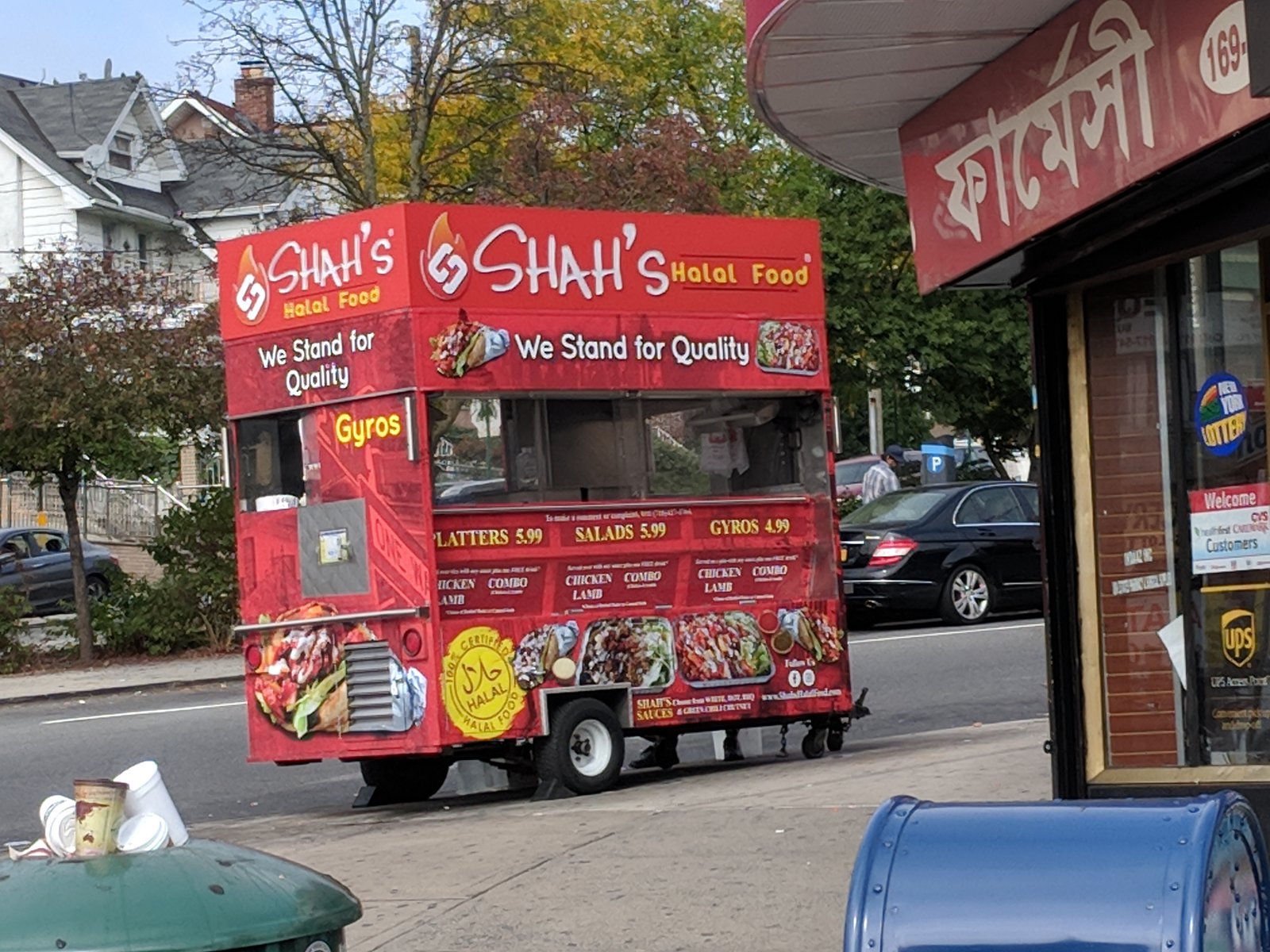
Worrying about finding halal food is one of the top concerns for Muslim travelers planning a new destination, especially in non-Muslim countries. With a little preparation, it's far easier than it looks.
1. Download specialized apps before you travel
Zabihah is the oldest and most comprehensive global app for user-reviewed halal restaurants. HalalTrip adds mosque locations and prayer times alongside restaurant listings. Muslim Pro also offers a qibla direction finder and prayer times, both useful while traveling. Download offline maps for these apps before departure in case of weak internet.
2. Learn the local halal certification marks
Every country has a different certifying body: Malaysia uses the JAKIM logo, Indonesia uses the green MUI mark, Singapore uses MUIS, and Turkey uses Red Crescent or GİMDES certificates. In Western countries, look for a "Halal Certified" sticker from recognized bodies like IFANCA in North America or HFA in Europe. Never assume the word "halal" on a sign is enough without knowing who certified it.
3. Easy destinations: Muslim-majority countries
In Turkey, Malaysia, Indonesia, the UAE, Qatar, Egypt, and Morocco, food is halal by default at the vast majority of restaurants, and the exception is explicitly noted (like certain tourist hotels that serve alcohol). The only real challenge is making sure alcohol isn't used in cooking at some upscale restaurants catering to Western tourists.
4. Harder destinations: Europe, the Americas, East Asia
In non-Muslim cities, Turkish, Pakistani, Afghan, and Middle Eastern restaurants are usually a relatively safe bet, since owners are often Muslim and cook traditionally even without formal certification — but always ask clearly. In Japan and Korea, look for the growing number of "certified halal" restaurants near major tourist areas, or fall back on vegetarian and seafood restaurants as a relatively safe backup (while watching for soy sauce, which sometimes contains fermented alcohol).
5. Golden rules when in doubt
Ask directly: "Do you use pork or alcohol in cooking?" Some Asian dishes contain cooking wine or fermented fish sauce not clearly listed on the menu. Watch for gelatin (often pork-derived) in desserts and gummies, and real vanilla extract, which contains alcohol. Purely vegan food is always a safe fallback option when in doubt.
6. Shop at supermarkets
In any major city, look for a Turkish, Pakistani, or Arab supermarket — found in most major European and American capitals, selling certified halal meat and products, often cheaper than restaurants. This is also an excellent option for families wanting to prepare a quick meal in a hotel room.
7. Contact your hotel and airline in advance
When booking, request a halal airline meal (Muslim Meal / MOML) at least 24-48 hours before the flight. Contact the hotel ahead of time to ask about halal breakfast options, as some larger hotels offer alternative menus on request.
8. Ask the local community
The nearest mosque is often an excellent source of information — imams and local worshippers usually know the most trusted halal restaurants in the area, and there are often WhatsApp or Facebook groups for the local Muslim community sharing continuously updated recommendations.
Halal food is available on nearly every continent today — it just takes a bit of preparation before you travel and the confidence to ask directly once you're there.
💬 Comments
No comments yet — be the first to share your experience!